The ‘Roadmap’ Trap: How Firmware Updates Became a Crutch for the Camera Industry
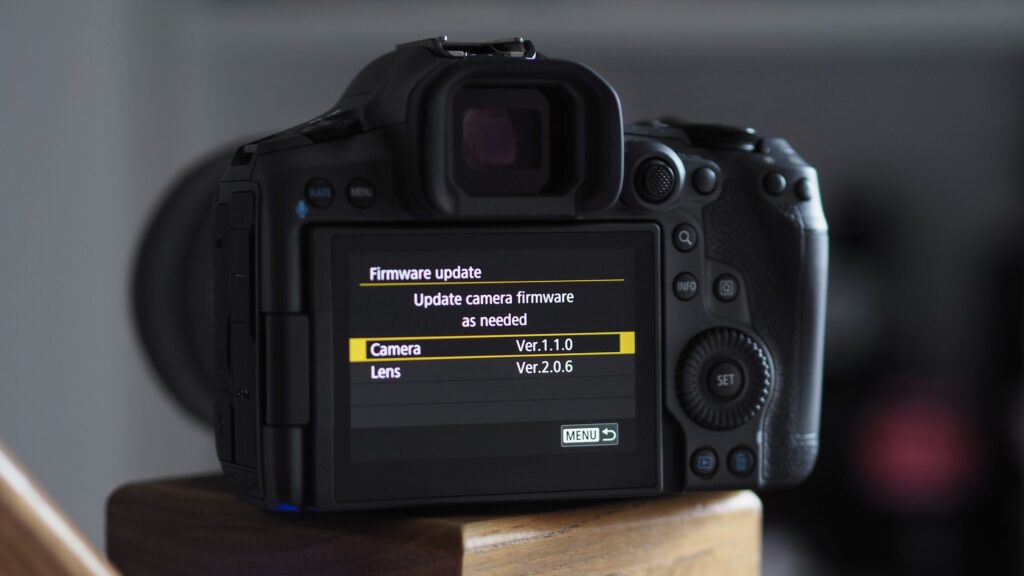
Table of Contents
The Era of the ‘Day One’ Promise
There was a period in digital imaging where the transaction was straightforward: you purchased a camera, inserted a memory card, and the device functioned exactly as advertised. Firmware updates existed, certainly, but they were surgical interventions—fixing a rare autofocus glitch or resolving a specific compatibility issue with a new SD card standard. They were the exceptions, not the rule.
Fast forward to the current landscape, and the relationship between the consumer and the hardware has fundamentally shifted. Firmware is no longer a maintenance tool; it has become a core part of the product’s delivery cycle. In many ways, modern photographers aren’t buying a finished tool—they are buying a promise of future functionality.
The Flagship Paradox: The Nikon Z9 Case
This trend is most evident in the professional tier, where the stakes—and the price tags—are highest. The Nikon Z9 serves as a primary case study in this shift. Upon its launch, the Z9 was positioned as a powerhouse capable of redefining professional video. However, one of its most touted headline features—internal 8K RAW recording up to 60p—was not fully available on day one. Buyers were essentially told that the hardware was capable, but the software would catch up later.
While Nikon eventually delivered these capabilities via Firmware 2.0, the delay highlighted a growing tension in the industry. When a manufacturer uses a specific technical capability to justify a flagship price point and drive pre-orders, that feature should be operational at the point of sale. To treat a core specification as a ‘future update’ is to move the goalposts of quality assurance.
Shipping First, Finishing Later
This isn’t an isolated incident involving a single brand. Across the mirrorless ecosystem, from Sony to Canon and Panasonic, there is an increasing comfort with shipping products in a ‘beta’ state. The industry has effectively adopted the software-as-a-service (SaaS) model, where continuous deployment and iterative updates are the norm. But cameras are physical assets, often costing thousands of dollars, and they are used in high-pressure environments where ‘iterative improvement’ isn’t a viable strategy for a working professional.
For a filmmaker on a commissioned shoot, a promised recording mode that hasn’t arrived is a liability, not a feature. A ‘coming soon’ autofocus improvement doesn’t help when a shot is missed on a high-stakes assignment. The reliance on firmware as a safety net allows manufacturers to keep pace with aggressive release cycles and rival launches, often at the expense of the end-user who becomes an unpaid beta tester.
The Administrative Burden of Ownership
Beyond the missing features, there is the growing mental load of ‘software admin.’ The modern photography workflow now includes a tedious cycle of checking version numbers, reading patch notes, and weighing the risk of a new update introducing fresh bugs. This shift transforms the creative process into a technical maintenance task.
The industry often frames these updates as generosity—a brand ‘listening’ to its community. While additive features are welcome, there is a sharp distinction between expanding a camera’s utility and completing its basic advertised functions. When the hardware is already capable of a task, but the software is withheld, it isn’t a gift; it’s a delayed delivery.
A Call for Hardware Integrity
Firmware is a powerful tool for extending the lifecycle of a camera and refining its performance. However, it should not serve as a crutch for rushed development. If a feature is central to the marketing campaign, it must be central to the box. The industry needs to return to a standard where a premium price guarantees a finished product, rather than a roadmap of possibilities.


