Israel Targets Hezbollah Stronghold in Beirut as US Pushes De-escalation Roadmap
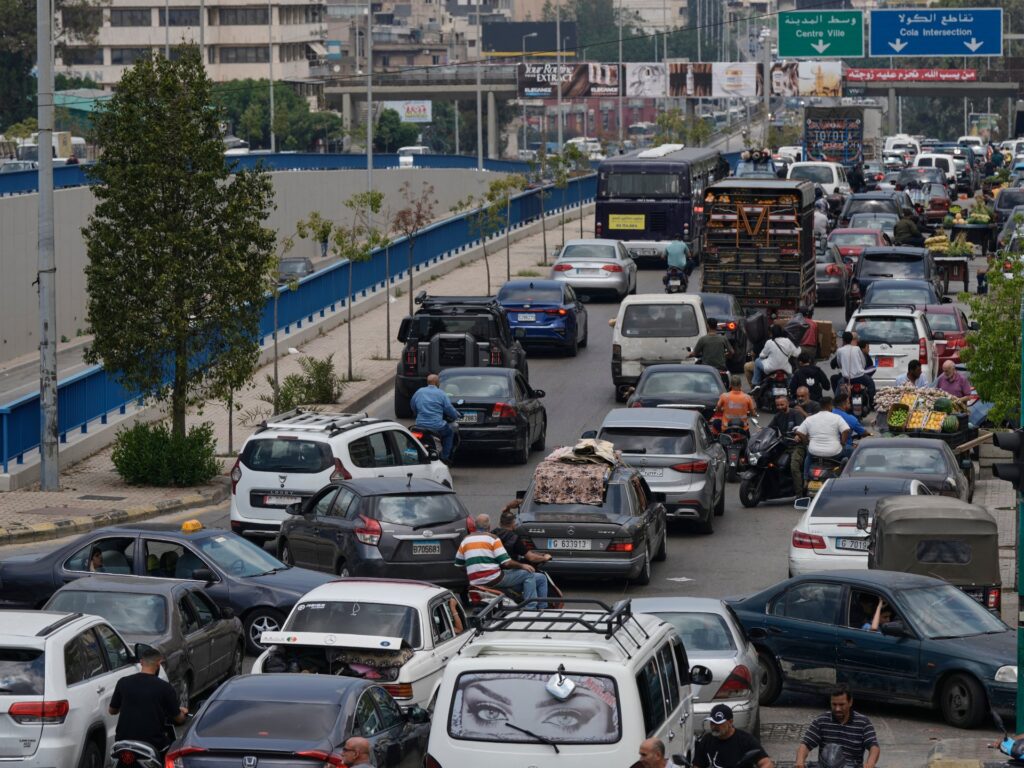
Table of Contents
Panic in the Dahiyeh
Mass evacuations are underway in the southern suburbs of Beirut as residents flee the Dahiyeh district following an explicit directive from the Israeli government to target the area. The sudden announcement has triggered chaos on the roads leading out of the Hezbollah-aligned suburb, with thousands of civilians packing belongings in a race against a ticking military clock.
The exodus began shortly after 7:00 GMT on Monday, following a joint statement from the Israeli Prime Minister and Defense Minister. Reporting from the ground, Al Jazeera’s Zeina Khodr noted that the urgency of the departure has left many with nowhere to go; government-run shelters are reportedly at capacity, forcing families to remain in their vehicles in a state of limbo.
The Strategic Pivot: From Beaufort to the Capital
The orders to strike Beirut follow a significant tactical shift in the Israeli Defense Forces’ (IDF) campaign. On Sunday, Israeli troops seized the medieval Beaufort Castle (Qalaat al-Shaqif), marking the deepest penetration into Lebanese territory in over 25 years. Prime Minister Benjamin Netanyahu characterized the capture of the fortress as a “dramatic shift” in policy, signaling an intent to expand military control over regions previously held by Hezbollah.
Israeli Defense Minister Israel Katz has explicitly linked the security of northern Israel to the stability of Beirut’s suburbs. In a statement released by his office, Katz asserted that there would be “no calm in Beirut” as long as Hezbollah continues its attacks. The stated objective is not merely the destruction of infrastructure, but the establishment of a military-controlled security zone around the Litani River to push threats away from Israeli borders.
A Fragile Diplomatic Roadmap
As the military pressure mounts, Washington is attempting to broker a high-stakes exit ramp. A U.S. official confirmed that Secretary of State Marco Rubio has engaged in separate negotiations with Lebanese President Joseph Aoun and Prime Minister Netanyahu. The proposed “roadmap” suggests a quid pro quo: Hezbollah would halt all offensive operations against Israel in exchange for an Israeli commitment to cease further escalation within the Lebanese capital.
However, the U.S. position remains critical of Hezbollah’s autonomy. Washington officials have alleged that the group is operating under direct Iranian directives, arguing that Tehran is intentionally prolonging the conflict to enhance its own standing as a regional mediator. The U.S. maintains that the fastest route to civilian safety is an immediate ceasefire by Hezbollah, noting that Israel is unlikely to tolerate continued rocket fire on its population centers.
Humanitarian Toll and International Backlash
The human cost of the escalation, which surged on March 2, is becoming staggering. According to the Lebanese Ministry of Public Health, casualties since the start of the conflict exceed 3,412 dead and 10,269 wounded. Over one million people have been displaced across the country.
The international community has reacted with increasing alarm. French President Emmanuel Macron stated that “nothing justifies” the current level of escalation, while UK Foreign Secretary Yvette Cooper warned that the military surge has “eroded space for diplomacy.” Regional powers including Qatar and Egypt have also condemned the offensive, with Cairo calling for a full Israeli withdrawal from all Lebanese territories.
Despite a nominal ceasefire announced on April 17, the agreement has remained a formality in name only, with daily breaches and retaliatory strikes continuing to define the corridor between the Litani River and the streets of Beirut.