Dell aggressively pivots XPS 13 pricing to capture the student market
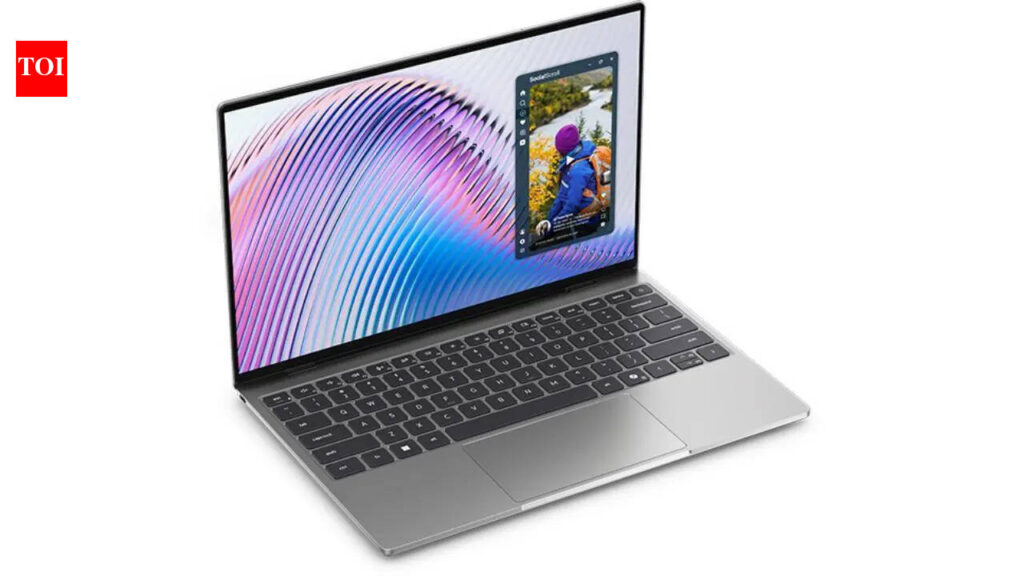
Table of Contents
A rare dip in the premium pricing strategy
Dell is making a calculated move to lower the barrier of entry for its most prestigious laptop line. The company has unveiled a new iteration of the XPS 13, specifically priced to undercut competitors in the student and entry-level professional markets. For eligible students, the device now starts at $599—a price point typically reserved for the plastic-chassis Inspiron line, not the CNC-machined aluminum of the XPS series.
This shift suggests a strategic pivot by Dell Technologies. For years, the XPS 13 has been positioned as the direct rival to the MacBook Air, often mirroring Apple’s premium pricing. By introducing a high-value entry point, Dell is likely attempting to lock in the next generation of power users before they commit to an ecosystem, effectively using the XPS 13 as a loss-leader or high-volume acquisition tool for the academic sector.
Hardware trade-offs and technical specs
To hit the $599 price floor, Dell has leaned on the new Intel Core Series 3 processors. While these chips don’t offer the raw multi-core performance of the Ultra series found in the high-end XPS 14 or 16, they are optimized for the exact type of bursty workloads students handle: heavy browser tab usage, document editing, and light streaming.
Surprisingly, Dell hasn’t compromised on the visual experience. The new model retains a 13-inch 2.5K touch display. More importantly, the inclusion of a 120Hz refresh rate is a significant win for this price bracket. Most student-targeted laptops in the $600 range are still stuck at 60Hz, making the interface feel sluggish by comparison. The higher refresh rate ensures smoother scrolling and a more responsive feel that aligns with the “premium” branding of the XPS line.
The chassis and portability factor
Dell is doubling down on the “thin and light” mantra here. This version of the XPS 13 is being marketed as the thinnest and lightest in the family’s history. While the company hasn’t released a side-by-side weight comparison with the 2024 models, the focus on portability indicates it is designed for the “backpack life,” prioritizing a small footprint and minimal weight over the expansive port selection found in larger workstations.
Market implications and the ‘Student’ hook
The $599 price tag is caveat-heavy; it is reserved for students, which requires verification via platforms like SheerID or a valid .edu email address. However, the psychological impact is clear. By associating the XPS brand with affordability, Dell is challenging the notion that a “premium” laptop must cost upwards of $1,200.
This move places direct pressure on the MacBook Air M2 and M3, which often see similar student discounts but rarely drop to the sub-$600 range without significant refurbished trade-offs. It also puts the Microsoft Surface Laptop in a precarious position, as the XPS 13 offers a more compelling display (120Hz vs. the standard 60Hz on base Surface models) at a more aggressive price point.
Whether this leads to a permanent shift in Dell’s pricing architecture or remains a seasonal promotional tactic remains to be seen. But for now, the hardware-to-price ratio of the Intel Core Series 3 XPS 13 makes it one of the most competitive Windows laptops in the current education market.