Status AI Secures $17M to Pivot Social Media From Passive Feeds to Interactive Roleplay
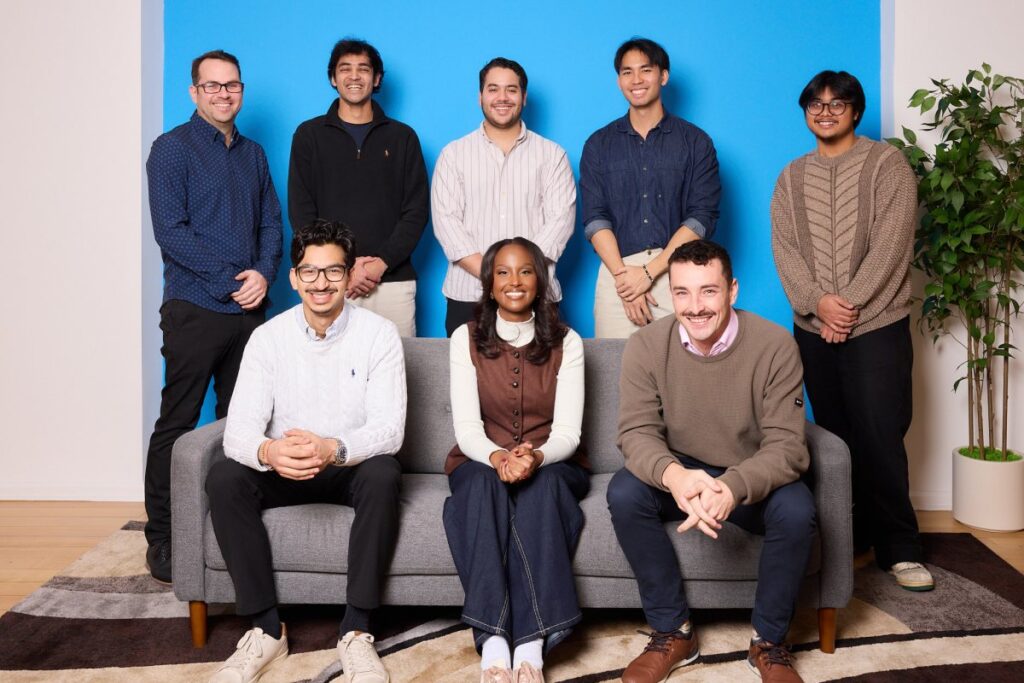
Table of Contents
Beyond the Scroll: The Rise of Immersive Sociality
For over a decade, the dominant architecture of social media has been the feed—a vertical stream of curated content designed for passive consumption. But a new player is betting that the next generation of users is exhausted by the act of watching others live their lives. Status AI, a startup aiming to merge social networking with interactive gaming, has emerged from stealth with $17 million in combined seed and Series A funding to turn social media into a living simulation.
The funding round includes a heavy-hitting roster of investors: General Catalyst, Union Square Ventures, Abstract, Y Combinator, and LightShed Partners. This isn’t just a bet on a new app; it is a bet on a fundamental shift in how Gen Z and Gen Alpha interact with digital intellectual property (IP).
Founded by Fai Nur, Amit Bhatnagar, and Pritesh Kadiwala, Status AI departs from the ‘chatbot’ model popularized by platforms like Character.AI. While those apps treat AI as a conversational partner, Status treats AI as the engine for a world. Users don’t just talk to a character; they craft a persona and are dropped into user-generated environments where they can simulate high-stakes scenarios—running for president, becoming a viral celebrity, or stepping directly into the plot of a favorite novel.
The Death of Passive Entertainment
The core thesis behind Status AI is that the ‘chatbot era’ of AI social interaction is already becoming a legacy format. According to Nur, the goal is to move from interaction to immersion. In this ecosystem, the environment is dynamic, evolving based on player choices and interactions. Users start by selecting a primary follower and build their influence and narrative arc as the story progresses.
This shift is particularly attractive to traditional media houses. Rich Greenfield, a partner at LightShed, notes that media companies are currently in a desperate search for ways to keep consumers tethered to their characters and worlds long after the credits roll. For a movie studio or a streaming giant, Status AI offers a blueprint for ‘pre-heating’ an audience—allowing fans to live in a world before a theatrical release or a stadium tour.
The platform’s early metrics suggest a strong appetite for this level of agency. Status reports that users have already created over 13 million worlds and more than 5 million unique character profiles. Notably, Nur observes that the early adopter base is predominantly composed of young women—a demographic that historically serves as the primary catalyst for cultural shifts in social platform adoption.
A New Blueprint for Consumer Social
Status AI fits into a broader industry trend toward ‘niche-ification’ and fandom-centric platforms. The era of the ‘global town square’—represented by the early days of Twitter or Facebook—is giving way to more intimate, high-utility environments. Natalie Dillon of Maveron has previously argued that the future of social will feel less like a network and more like a multiplayer environment where creativity and belonging happen simultaneously.
By leveraging generative AI to ensure experiences remain ‘brand-safe’ yet dynamic, Status is attempting to solve the scalability problem of roleplay. Traditionally, immersive roleplay required a dedicated group of humans to act as game masters; Status replaces that bottleneck with AI, allowing millions of simultaneous, personalized narratives to unfold.
As the platform scales with its new capital, the challenge will be maintaining the balance between user-generated chaos and a coherent user experience. However, if Status AI can successfully transition the social experience from ‘look at me’ to ‘play with me,’ it may well redefine the boundaries between social media, gaming, and digital storytelling.