AMD Plays the Long Game at Computex 2026: New X3D Silicon and a Bold AM5 Promise
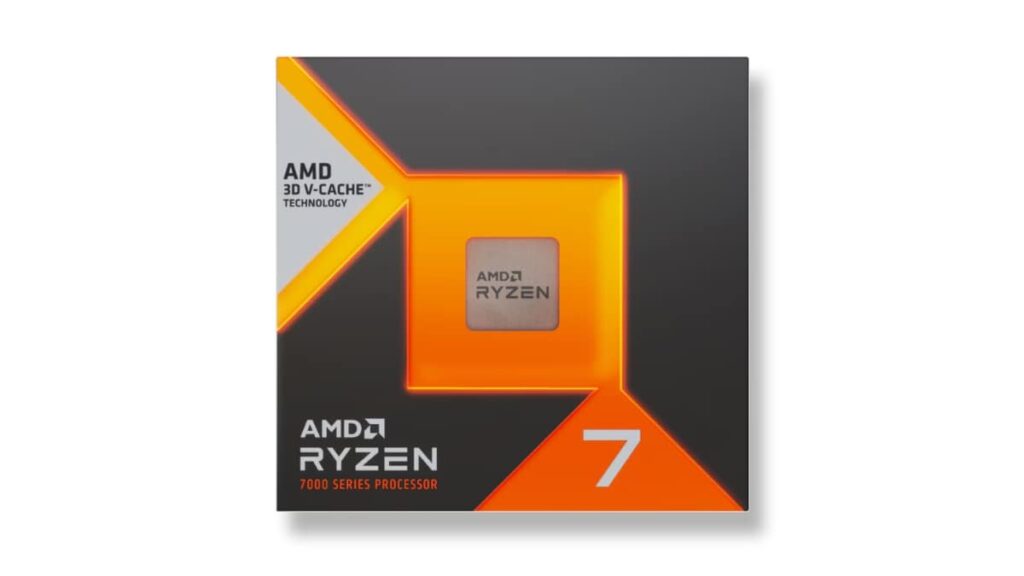
Table of Contents
A Strategic Bet on Longevity
AMD’s presence at Computex 2026 wasn’t just about throwing new silicon at the wall; it was a calculated move to stabilize its ecosystem against a volatile hardware market. While the headlines will focus on the new chips, the most significant statement came in the form of a timeline: AMD has officially extended support for the AM5 socket through 2029. For users who have grown weary of the ‘socket shuffle’—the frequent need to buy new motherboards every two generations—this is a direct shot at Intel’s traditionally shorter platform lifespans.
By committing to AM5 for another three years, AMD is signaling that its current infrastructure is robust enough to handle the next several iterations of Zen architecture without requiring a total platform overhaul. This move is designed to lock in enthusiasts who prioritize upgradeability over the latest board features.
Filling the Mid-Range Gaming Gap
The centerpiece of the hardware reveal is the Ryzen 7 7700X3D. For years, 3D V-Cache technology has been reserved for the top-tier 9-series and 7-series chips, often leaving a price gap in the mid-range enthusiast market. The 7700X3D aims to bridge that void, bringing the massive L3 cache advantage to a more accessible price point. In gaming, where cache latency often bottlenecks performance more than raw clock speed, this chip is positioned as the ‘sweet spot’ for 1440p gaming rigs.
Accompanying the CPU is the Radeon RX 9070 GRE. The ‘Golden Rabbit Edition’ (GRE) branding has previously been used for regional exclusives or specific value-tier cards, but here it seems to represent a refined mid-to-high-end offering. While full benchmarks aren’t yet public, the 9070 GRE is expected to target the efficiency-per-watt metric, competing directly with Nvidia’s current mid-stack offerings by leveraging the latest RDNA architecture iterations.
Nostalgia and the AM4 Legacy
In a move that feels more like a love letter to the community than a strategic product launch, AMD introduced the Ryzen 7 5800X3D 10th Anniversary Edition. This isn’t a new architecture, but a commemorative release celebrating a decade of the AM4 platform—arguably one of the most successful socket runs in PC history.
Priced at $349, the anniversary edition is aimed at the millions of users still clinging to their B450 or X570 boards who want one final, meaningful performance bump without upgrading their entire system. To add a touch of premium feel, the chip comes bundled with Carbice Ice Pad thermal interface material, acknowledging that heat management remains the primary challenge for X3D processors.
Squeezing Performance from Memory
Beyond the processors, AMD is tackling the volatility of high-speed DDR5. The company unveiled new EXPO memory profiles featuring Ultra Low Latency (ULL) support. While standard EXPO profiles automate the overclocking process, ULL profiles are designed to tighten secondary and tertiary timings—the ‘hidden’ numbers that often dictate how snappy a system feels in real-world gaming scenarios.
When paired with the 7700X3D, these memory profiles are intended to minimize the communication lag between the CPU and RAM, potentially reclaiming several percentage points of performance in CPU-bound titles like Cyberpunk 2077 or Microsoft Flight Simulator.
As the industry shifts toward more integrated AI accelerators within the CPU, AMD’s focus at Computex 2026 remains stubbornly, and perhaps refreshingly, centered on the gamer. By securing the AM5 roadmap and refreshing the X3D line, they are betting that stability and specialized cache will outweigh the allure of frequent platform changes.


