AMD Brings the Radeon RX 9070 GRE to Global Markets as Mid-Range 1440p Play
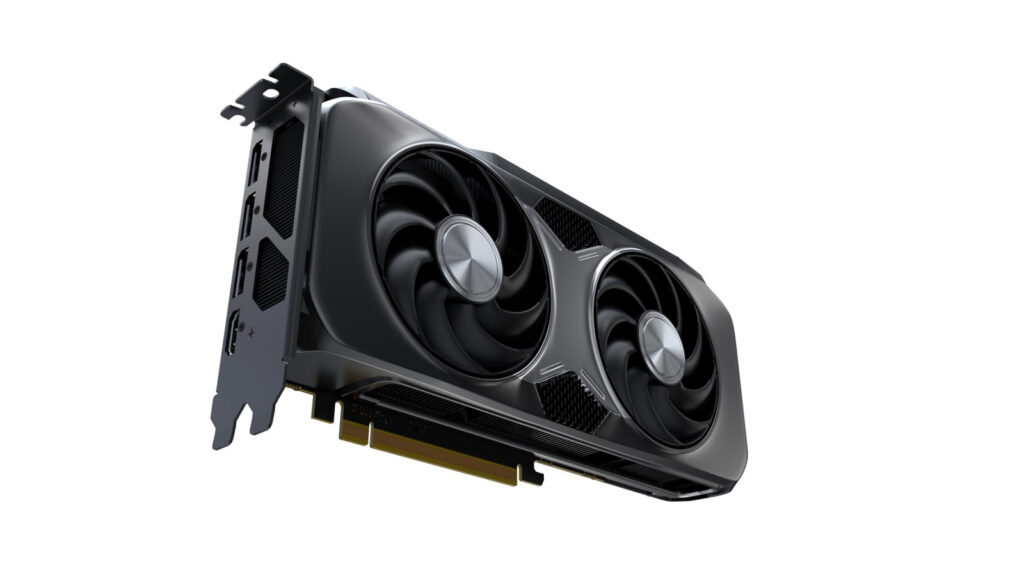
Table of Contents
From China to the Global Market
AMD is officially expanding its GPU portfolio with the global rollout of the Radeon RX 9070 GRE. While the card has been available in China since last year—where it was marketed as the “Golden Rabbit Edition”—it now arrives in Western markets as a strategic mid-range offering aimed at bridging the gap between entry-level performance and high-end enthusiast hardware.
Priced at $549, the RX 9070 GRE arrives at a critical juncture for PC gaming. As the cost of high-end silicon continues to climb, AMD is positioning this card as the primary gateway for users looking to transition into high-refresh 1440p gaming without crossing the thousand-dollar threshold.
The RDNA 4 Technical Edge
At the heart of the RX 9070 GRE is the RDNA 4 architecture. This isn’t just a minor clock-speed bump; the architecture introduces a fundamental shift in how AMD handles AI compute acceleration. By integrating more efficient AI-driven workloads into the GPU’s pipeline, the card aims to deliver smoother frame pacing and more intelligent power management.
The hardware specifications are tailored for the current gaming climate. With 12GB of VRAM, the card provides enough headroom for modern AAA titles, which are increasingly demanding larger memory buffers for high-resolution textures. However, the real story is the integration of Fidelity FX Super Resolution 4.1 (FSR 4.1). AMD’s latest upscaling iteration leverages the RDNA 4 AI cores to reduce shimmering and artifacts, bringing it closer to the visual fidelity seen in NVIDIA’s DLSS ecosystem.
Ray Tracing and Compute Performance
One of the historical weak points for Radeon cards has been ray tracing performance compared to NVIDIA’s RTX series. The RX 9070 GRE attempts to narrow this gap through next-gen ray tracing hardware, designed to handle complex lighting and reflections with less of a performance penalty. While it may not outperform the RTX 4080 or 4090, for a $549 card, the improvement in global illumination is a significant step forward for the GRE line.
The Strategic Battle for the Gamer’s Desk
The release of the RX 9070 GRE highlights a diverging strategy between the two biggest players in the silicon space. For years, NVIDIA has dominated the high-end market, but its focus has shifted aggressively toward the data center. Current financial reports indicate that over 90 percent of NVIDIA’s revenue is now driven by AI infrastructure and enterprise data centers, leaving a perceived vacuum in the enthusiast gaming sector.
AMD is attempting to fill that void. By iterating on the standard RX 9070—which has already been lauded as one of the most competitive mid-range GPUs in recent memory—the GRE edition provides a refined value proposition. It is an admission that while the AI gold rush is lucrative, the traditional PC gaming market remains a vital pillar for brand loyalty and consumer presence.
For the consumer, the RX 9070 GRE represents a pragmatic choice. It doesn’t claim to be a revolution in computing, but rather a highly optimized tool for the average gamer who wants stable 1440p performance without the ‘AI tax’ often associated with current-gen flagship hardware. As the card hits shelves globally, the industry will be watching to see if NVIDIA responds with a similarly priced mid-range RTX refresh or continues to prioritize its H100 and Blackwell clusters over the gaming rig.


