The ‘Good’ Fungus: How a Newly Discovered Pathogen is Fighting Britain’s Invasive Moss Crisis
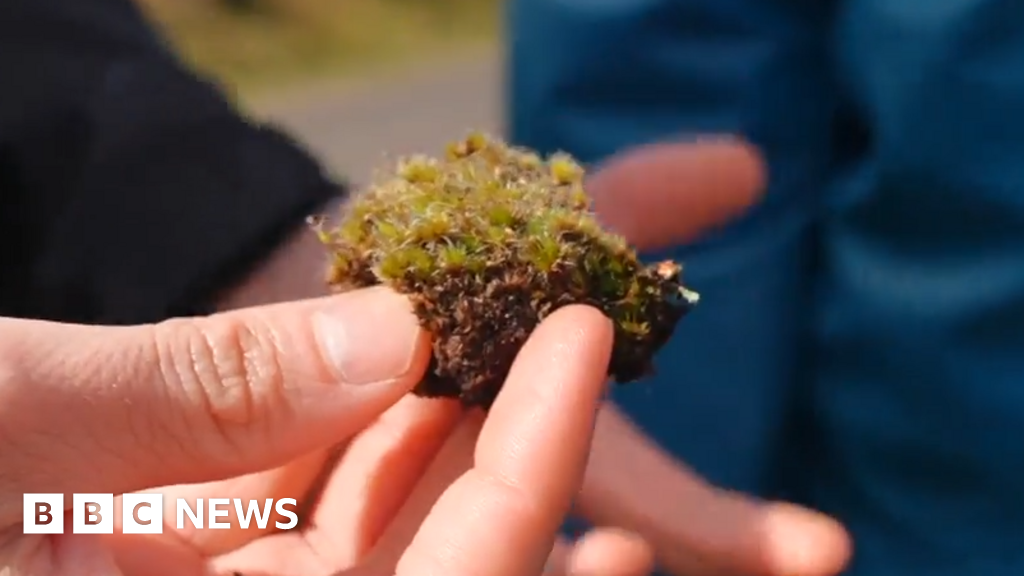
Table of Contents
A Natural Counter-Attack in the Undergrowth
In the quiet corners of the British countryside, a silent biological war is unfolding. For decades, the heath-star moss—an aggressive, non-native invader—has systematically dismantled native habitats, suffocating indigenous plant life from coastal cliffs to urban tarmac. But a new ally has emerged from the soil: a potent, previously unknown fungus that is systematically dismantling the invader’s grip on the landscape.
The discovery was not the result of a structured lab experiment, but rather the keen observation of Dr. George Greiff. While hiking on the Isle of Wight four years ago, Greiff noticed unusual patches of decaying moss on a cliffside. What initially appeared to be random die-back turned out to be the first sighting of a specialized pathogen that Greiff and his colleagues at the Amgueddfa Cymru museum in Cardiff have since identified as a critical biological control agent.
The Mechanics of the ‘Fairy Rings of Death’
To the naked eye, the impact of the fungus is subtle—small, brown rings of dead vegetation that Greiff describes as “fairy rings of death.” However, under macro lenses and microscopes, the biological aggression is evident. The fungus attaches itself to the moss stem, ballooning like candy floss around the structure and penetrating the cellular walls of the plant.
The target, heath-star moss, is a formidable invader. Likely introduced from the Southern Hemisphere in the 1940s, it exploded across the UK by the 1990s. Its ability to reproduce rapidly via spores allowed it to outcompete over 1,000 species of native mosses, which serve as the foundational architecture for the UK’s temperate rainforests and carbon-sequestering peatlands.
DNA sequencing has revealed a surprising lineage: this new pathogen is a close relative of the ash die-back fungus, the same destructive force responsible for the loss of up to 80 million ash trees across Britain. While such a relationship usually signals an ecological disaster, in this instance, the specificity of the fungus is the key. Preliminary analysis suggests it exclusively targets the heath-star moss, leaving native flora untouched.
Biological Control vs. Human Intervention
The discovery shifts the conversation on how the UK manages invasive species. Traditionally, eradication requires resource-heavy human intervention—such as the controversial initiatives to control grey squirrel populations through contraceptives or the expensive physical removal of Japanese knotweed.
The environmental cost of manual removal is often high, and the efficiency is low. As Greiff notes, having a natural biological control agent perform this work is essentially “free” ecological labor.
The implications extend beyond the removal of a single weed. In the Bannau Brycheiniog national park in south Wales, Greiff has already observed baby heather plants reclaiming the gaps left by the decaying invasive moss. This suggests a rapid succession process where the fungus clears the path for native biodiversity to return without human seeding or planting.
Tracing the Evolutionary Timeline
Researchers are now utilizing the UK’s oldest moss collections—some dating back to the 1880s—to determine exactly when this fungus entered the ecosystem. By analyzing historical samples, Dr. Nathan Smith, Head of Plant and Earth Science at Amgueddfa Cymru, hopes to understand if the fungus is a native species that adapted to the invader or a co-introduced pathogen from the Southern Hemisphere.
As the UK grapples with some of the most depleted nature levels globally, with one in six species facing extinction, this fungal discovery provides a rare, optimistic data point. It suggests that the environment possesses an inherent capacity to adapt and fight back against anthropogenic disruptions, provided the right biological triggers are present.