Electronic Warfare and Precision Strikes: The Tech Behind the Escalation in the Persian Gulf
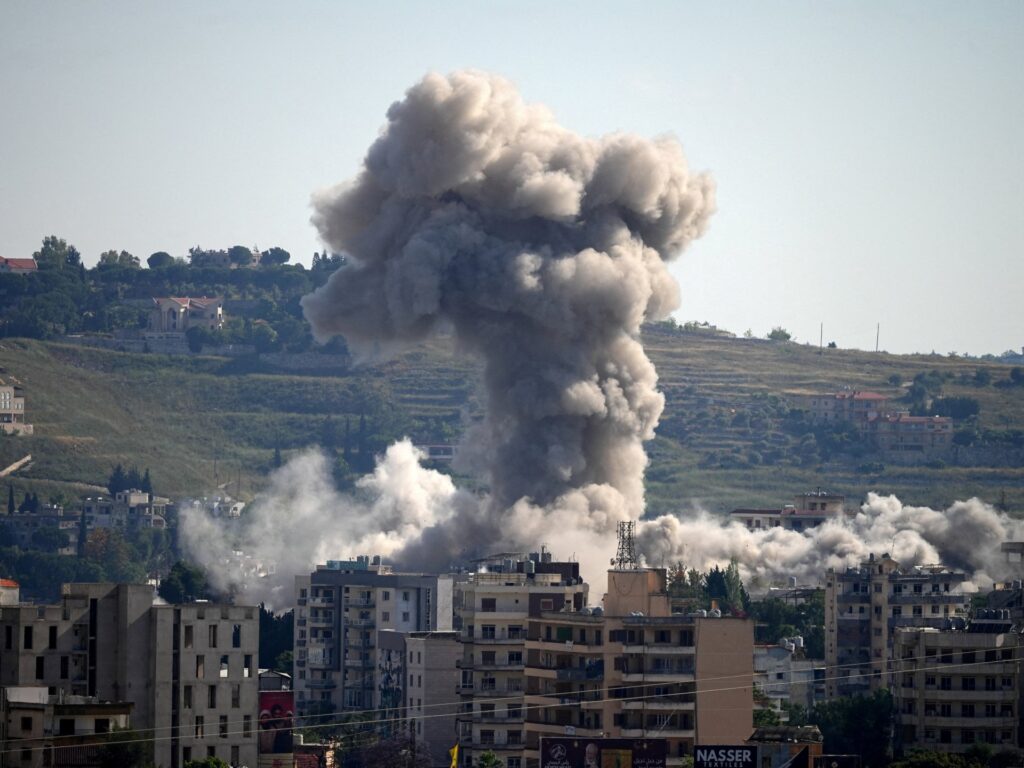
Table of Contents
The Precision Engine of Modern Escalation
The recent reports of U.S. airstrikes targeting facilities in Qeshm and Goruk, combined with Kuwait’s reports of ‘hostile’ missile activity, mark a significant shift in the tactical landscape of the Persian Gulf. While the geopolitical implications are stark, the technical execution of these operations reveals a heavy reliance on the intersection of signal intelligence (SIGINT) and high-precision kinetic delivery systems.
The strikes in Qeshm, an island strategically located near the Strait of Hormuz, likely utilized a combination of B-2 stealth bombers or long-range cruise missiles. These platforms are designed specifically to penetrate dense integrated air defense systems (IADS). The ability to strike Goruk—an area often associated with sensitive military infrastructure—suggests a high degree of confidence in the target acquisition phase, likely driven by real-time data from MQ-9 Reaper drones and satellite reconnaissance.
The Battle for the Electromagnetic Spectrum
Central to these engagements is not just the physical bomb, but the electronic warfare (EW) environment. Iran has historically invested heavily in GPS spoofing and jamming capabilities to confuse incoming munitions. For the U.S. to successfully hit specific coordinates in Qeshm, they must employ Anti-Jamming (AJ) GPS receivers and Inertial Navigation Systems (INS) that allow missiles to maintain a flight path even when the satellite signal is compromised.
The ‘hostile’ missile attacks reported by Kuwait introduce a different technical variable. If these were ballistic or cruise missiles, the primary focus shifts to the intercept capabilities of the Patriot missile batteries stationed in the region. The effectiveness of these systems depends on the radar’s ability to differentiate between actual warheads and ‘decoys’—a common tactic used to saturate defenses and create openings for a primary strike.
Kinetic Delivery and Target Acquisition
The scale of the strikes suggests the use of Joint Direct Attack Munitions (JDAMs), which convert unguided bombs into precision-guided weapons using GPS and inertial guidance. In a high-threat environment like the Gulf, the U.S. military often employs ‘swarming’ tactics, where multiple platforms synchronize their arrival at a target to overwhelm local radar operators.
Furthermore, the coordination of these strikes across multiple geographies—Qeshm and Goruk—points to the use of the Joint Worldwide Intelligence Cooperative Enterprise (JWICE), allowing for a seamless transition of target data from intelligence analysts in the U.S. to pilots in the air. This digital thread reduces the ‘kill chain’ time from hours to mere seconds.
Counter-Drone Tech and the Iranian Response
As the conflict evolves, the role of Unmanned Aerial Vehicles (UAVs) remains critical. Iran’s use of Shahed-series drones has forced a shift in how regional allies, including Kuwait, deploy their air defenses. Instead of relying solely on expensive interceptor missiles, there is a growing move toward directed-energy weapons and high-power microwave (HPM) systems designed to fry the electronics of low-cost drones.
The current volatility in the region serves as a live testing ground for the next generation of AI-driven targeting. Whether through autonomous flight patterns or algorithmic signal analysis, the gap between detecting a threat and neutralizing it is shrinking, leaving very little room for diplomatic maneuvering once the technical sequence of a strike has been initiated.


