Apple’s Foldable Strategy: The ‘iPhone Ultra’ May Be a Pocket-Sized iPad in Disguise
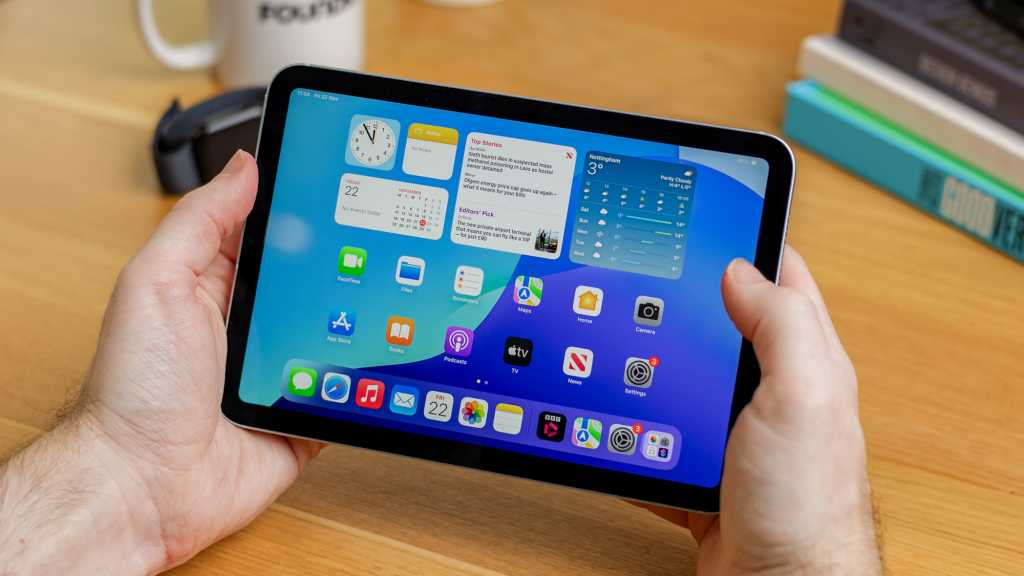
Table of Contents
A Departure from the Smartphone Blueprint
For years, the foldable market has been defined by a singular goal: making a smartphone that can optionally become a tablet. From the Samsung Galaxy Z Fold series to Google’s Pixel Fold, the industry standard has been a tall, narrow external display that unfolds into a larger, yet still elongated, interior screen. However, emerging evidence regarding Apple’s first venture into foldables—tentatively dubbed the iPhone Ultra—suggests the company is pursuing a fundamentally different philosophy.
Recent hands-on demonstrations of iPhone Ultra dummy units, including a high-profile showcase by Unboxed Therapy, reveal a device that feels alien compared to existing foldables. The device is characterized by a “stubby” passport-like form factor—significantly shorter and wider than the slender profiles favored by Samsung or Honor. While dummy units are unofficial, they are typically derived from precise dimensions provided to accessory manufacturers and chassis factories, making them reliable indicators of a product’s final physical footprint.
The 4:3 Ratio: Leveraging the iPad Ecosystem
The unusual dimensions of the iPhone Ultra’s closed state are a direct result of what lies inside. When unfolded, the device appears to adopt a 4:3 aspect ratio, mirroring the gold standard of the iPad lineup. This is not a random design choice; it is a strategic play to leverage Apple’s most significant advantage in the mobile computing space: a mature, tablet-optimized app ecosystem.
Current Android foldables often struggle with the “letterbox” effect, where apps designed for phones are simply stretched or centered on a square-ish screen. In contrast, Apple has spent over a decade refining iPadOS and incentivizing developers to create adaptive layouts specifically for the 4:3 format. By mirroring the iPad’s proportions, the iPhone Ultra can transition from a phone to a productivity tool without the UI friction that plagues its competitors.
This suggests that Apple isn’t trying to build a phone that expands, but rather a portable tablet that happens to make calls. While users of the Galaxy Z Fold often find themselves reverting to the cover screen for most tasks, Apple seems to be designing the iPhone Ultra to encourage a 50-50 split in usage, treating the unfolded state as a primary destination rather than a secondary luxury.
Market Pressure and the Samsung Response
The industry is already reacting to these leaked dimensions. Reports indicate that Samsung may be exploring a “Wide” variant for the Galaxy Z Fold 8, a move that feels less like an organic evolution and more like a defensive maneuver to counter Apple’s entry. However, hardware adjustments alone may not be enough to bridge the gap. Samsung lacks a unified 4:3 tablet ecosystem that matches the cohesion of iPadOS, meaning a wider screen may not necessarily result in a better user experience.
Technical Trade-offs
Despite the strategic advantage of the aspect ratio, the iPhone Ultra’s design will inevitably bring challenges. A wider, shorter form factor in the pocket is less ergonomic than the traditional “slab” phone. Furthermore, the chunky bezels required to support a folding mechanism may clash with Apple’s ongoing quest for a seamless, all-screen aesthetic.
Yet, for a segment of power users, these trade-offs are negligible compared to the prospect of a truly portable productivity device. By bridging the gap between the iPhone and the iPad Mini, Apple is positioning the Ultra not as a gadget for early adopters, but as a tool for a mobile-first professional class.
The End of the Foldable Imitation Era
For a long time, Apple’s absence from the foldable market was viewed as a lack of innovation. In reality, the company appears to have been waiting for a hardware form factor that justifies its software capabilities. If the iPhone Ultra arrives with the reported dimensions, it will mark the end of the era where foldables were simply “bigger phones.” Instead, it could redefine the category as a hybrid of the two most successful mobile devices in history.


