Oppo Pad 6 Debuts in China: A Heavy-Hitting Battery and MediaTek Dimensity 9500s Under the Hood
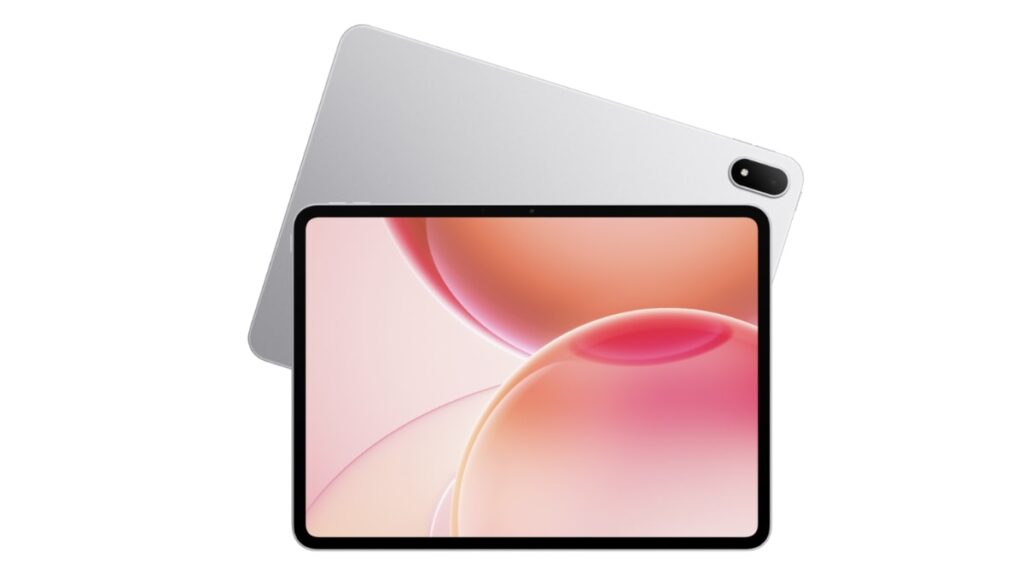
Table of Contents
A Strategic Shift in Tablet Power
Oppo has officially unveiled the Pad 6 in China, positioning the new device as a direct challenger to the high-end Android tablet market. While previous iterations focused heavily on aesthetics and slim profiles, the Pad 6 appears to be a move toward raw endurance and processing efficiency, anchored by a massive 10,420mAh battery and the latest silicon from MediaTek.
The centerpiece of the device is the MediaTek Dimensity 9500s SoC. By opting for the ‘s’ variant of the chip, Oppo is likely balancing peak performance with thermal management, a common struggle for tablets that lack active cooling. This pairing is supported by a generous RAM ceiling, with the top-tier model pushing up to 16GB, ensuring the device can handle the increasingly heavy multitasking demands of ColorOS 16.
Display and Visuals: The 144Hz Standard
The Pad 6 retains a 12.1-inch form factor, utilizing an LCD panel rather than OLED. While some competitors have shifted to OLED for deeper blacks, Oppo has leaned into an adaptive 144Hz refresh rate to ensure fluid navigation and gaming. This high refresh rate is particularly critical for the tablet’s target demographic: power users and gamers who require minimal input lag.
Notably, Oppo is introducing a “Soft Light” edition. This matte-finished display is designed to reduce glare and reflections, making it more viable for professional environments or reading under harsh overhead lighting. This move mirrors a trend seen in e-ink and paper-like displays, attempting to bridge the gap between a traditional tablet and a digital notebook.
The Software Edge: Android 16 and ColorOS
In a surprising move regarding software timing, the Pad 6 ships with ColorOS 16 based on Android 16. This puts the device at the bleeding edge of the Google ecosystem, offering the latest API optimizations and permission sets. The software suite is expected to focus heavily on cross-device connectivity, allowing the Pad 6 to act as a secondary screen or a productivity hub for Oppo smartphone users.
Hardware-wise, the tablet remains modest in its imaging capabilities. An 8-megapixel rear camera is included, which is sufficient for document scanning and basic photography, but reinforces the idea that this device is intended for consumption and productivity rather than content creation.
Pricing and Market Positioning
The pricing structure for the Pad 6 suggests a tiered approach to capture both the mid-range and enthusiast segments. The base model, featuring 8GB of RAM and 256GB of storage, enters the market at CNY 3,499 (approx. $485 / Rs. 49,000). Users seeking more headroom can opt for the 12GB/512GB configuration at CNY 3,899, or the maximum 16GB/512GB variant for CNY 4,299 (approx. $600 / Rs. 60,300).
| Variant (RAM/Storage) | Standard Price (CNY) | Soft Light Edition (CNY) |
|---|---|---|
| 8GB / 256GB | 3,499 | 3,799 |
| 12GB / 512GB | 3,899 | 4,199 |
| 16GB / 512GB | 4,299 | N/A |
The device is available in two finishes: Deep Space Gray and Galaxy Silver. Given the current competitive landscape in China, where Xiaomi and Huawei are fighting for dominance in the productivity tablet space, Oppo’s focus on a high-capacity battery and the Dimensity 9500s is a clear play to win over the ‘long-haul’ user who prioritizes uptime over flashy OLED screens.


