Vivo Shifts Gears: X Fold 6 Leak Points to MediaTek Dimensity 9500 Debut
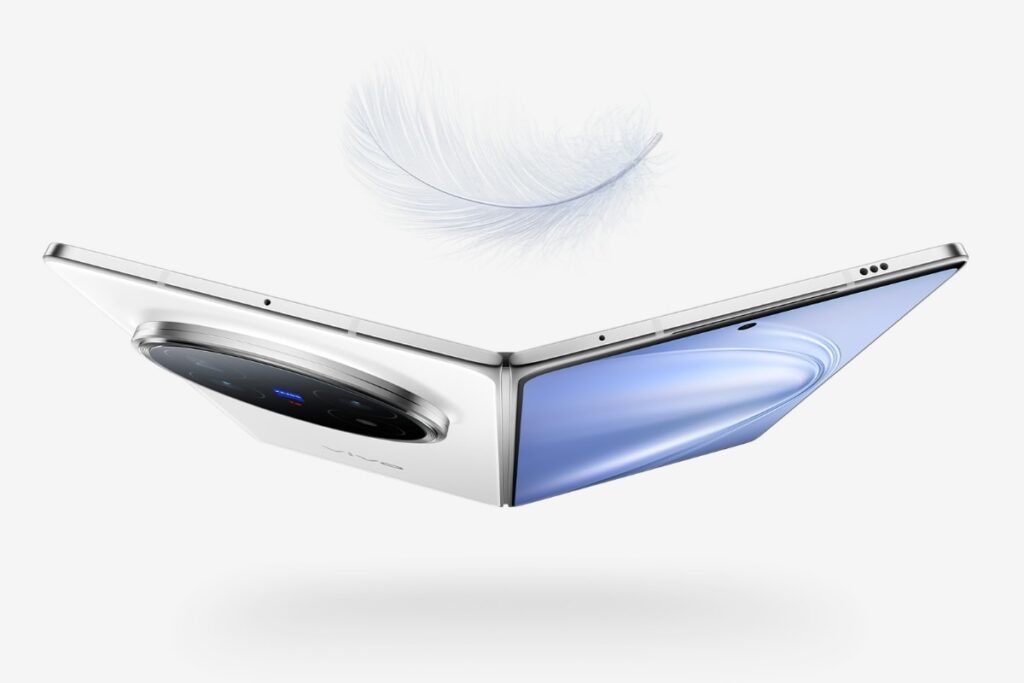
Table of Contents
A Strategic Pivot in Silicon
Vivo is reportedly preparing to shake up its foldable strategy with the upcoming X Fold 6. While the company has traditionally leaned on Qualcomm’s Snapdragon ecosystem to power its premium book-style foldables, new intelligence suggests a pivot toward MediaTek. According to prominent Chinese leakster Digital Chat Station, the X Fold 6 is expected to debut with the MediaTek Dimensity 9500 SoC.
This move represents a significant departure from the established roadmap. For context, the X Fold 3 relied on the Snapdragon 8 Gen 2, and the X Fold 5 utilized the Snapdragon 8 Gen 3. By integrating the Dimensity 9500, Vivo isn’t just swapping chips; it’s betting on MediaTek’s ability to handle the thermal and power demands of a foldable chassis—a challenge that has historically favored Qualcomm’s integration.
Hardware Refinements and the 200MP Gamble
Beyond the processor, the X Fold 6 appears to be targeting the high-end photography segment with an aggressive sensor upgrade. Leaks indicate the device may feature a 200-megapixel primary sensor, a move that would place it in direct competition with Samsung’s Ultra series and Xiaomi’s high-end imaging foldables. The device will likely retain Vivo’s signature oversized circular camera module, which has become a visual hallmark of the X-series.
Design-wise, the leaks point to a more refined aesthetic. Engineering samples are reportedly sporting rounded corners on the display, moving away from the sharper edges of previous iterations. While several colors are likely, Digital Chat Station notes that the white variant is currently the primary focus for engineering prototypes.
Battery and Power Management
One of the perennial pain points for foldable users has been battery longevity, as the dual-screen setup consumes power rapidly. The X Fold 6 is tipped to address this with a larger battery capacity than the X Fold 5. Whether this increase comes from a denser silicon-carbon battery technology—which several Chinese OEMs have been adopting—or simply a larger physical cell remains to be seen. However, coupled with the Dimensity 9500’s efficiency, Vivo is clearly aiming for a device that can actually survive a full day of heavy multitasking.
The Timing and Market Context
The window for the X Fold 6’s arrival is narrowing. Reports suggest a China-first launch slated for the end of this month. This aggressive timeline suggests that Vivo is eager to capture the early Q2 demand and position itself against rivals like Honor and Huawei, who have been dominating the foldable narrative in the domestic Chinese market.
The shift to MediaTek could also be a strategic move to diversify the supply chain and potentially lower the bill of materials (BOM) without sacrificing peak performance. If the Dimensity 9500 can match the Snapdragon 8 Gen 4 (or its equivalent) in synthetic benchmarks and real-world efficiency, Vivo may establish a new precedent for other foldable manufacturers to move away from Qualcomm’s pricing stronghold.
While Vivo has yet to release an official statement, the convergence of hardware leaks and prototype sightings suggests the X Fold 6 is nearly ready for the spotlight. The real test will be whether the MediaTek transition results in a smoother user experience or creates optimization hurdles that Qualcomm’s mature drivers usually solve.


