The Hidden Tax on Cash: How Luxury Credit Card Perks Drive Up Prices for Everyone Else
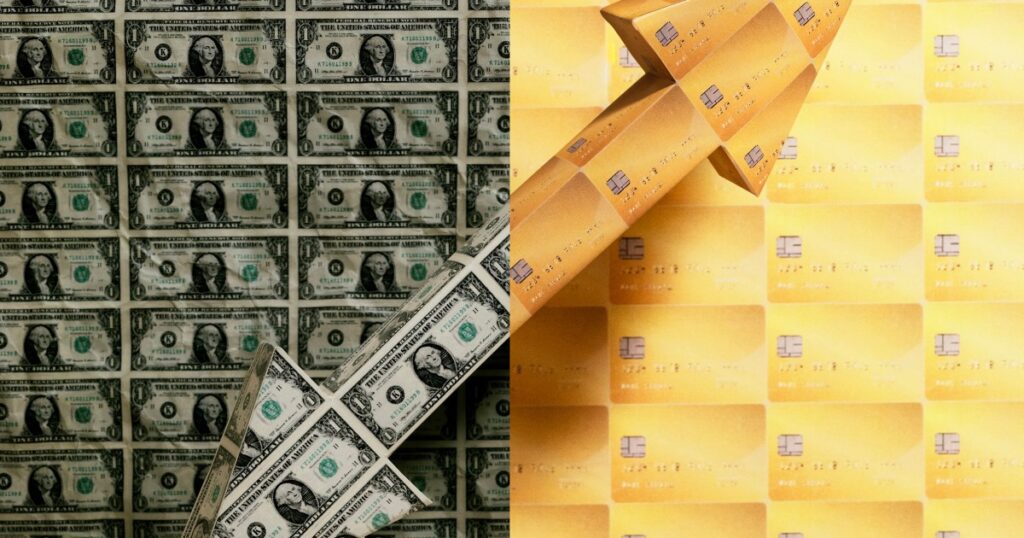
Table of Contents
The Invisible Cost of the ‘Free’ Flight
At a Tiger Fuel convenience store in Ruckersville, Virginia, the balance sheet reveals a modern economic paradox. For the store’s management, the cost of processing credit card transactions has become a more significant financial burden than the rent for the physical building. This is the hidden machinery of the American retail experience: a system where the luxury perks of the affluent are subsidized by the spending habits of the poor.
The culprit is the “swipe fee,” or interchange fee. While a consumer sees a seamless tap-to-pay transaction, the merchant sees a percentage of their margin vanish. For premium cards—those offering high-tier cash back, airport lounge access, and travel points—these fees can climb as high as 5%. To protect their bottom line, retailers aren’t absorbing these costs; they are baking them into the price of every gallon of gas and every bag of chips on the shelf.
A $30 Billion Wealth Transfer
This dynamic has created what researchers describe as a systemic wealth transfer. A recent study from Harvard Business School suggests that approximately $30 billion a year is effectively shifted from cash and debit users to high-end credit card holders. In essence, the person paying with a $20 bill is paying a higher price for the same item than the person using a premium rewards card, because the rewards user eventually recoups that inflated price through points or cash back.
Professor Mark Egan, a co-author of the Harvard study, notes that while the credit card user faces a higher nominal price, the rewards structure allows them to break even or even profit. Conversely, the cash payer suffers the price hike with zero offset. According to the study, this is functionally equivalent to a 16% increase in the average sales tax rate for those who avoid credit.
The Data Behind the Divide
The trend is corroborated by broader industry data. Total credit and debit card fees paid by merchants to processors—dominated by the Visa and Mastercard duopoly—have surged 70% since 2019, reaching an estimated $198 billion in 2025, according to the Nilson Report. This spike is driven by a combination of higher overall consumer spending, a systemic decline in cash usage, and the proliferation of “premium” card tiers.
The demographics of this divide are stark. Federal Reserve data from 2024 indicates that households earning under $25,000 use cash for roughly 25% of their purchases. In contrast, those earning over $150,000 rely on cash only 9% of the time. This suggests that the people most likely to be hit by these embedded fees are those least likely to have the credit scores required to apply for the rewards cards that mitigate them.
The Industry Defense
The payments industry disputes the notion that cash is “free.” The Electronic Payments Coalition, representing the card companies, argues that the Harvard analysis overlooks the operational overhead of handling physical currency, such as armored car pickups, bank deposit fees, and the inherent risk of theft. They contend that the shift toward cashless systems is a response to the inefficiency and cost of cash, not a predatory pricing strategy.
However, for small business owners like those at Tiger Fuel, the math remains grim. When processing fees outpace rent, the only levers left to pull are reducing staff wages or raising prices. For the consumer, the result is a retail environment where the “convenience” of digital payment has a very real, very tangible cost for those left on the outside of the credit ecosystem.
The Shift Toward Premium Volume
The scale of this issue has grown as the nature of credit cards has changed. The Harvard study found that premium cards—those with the highest merchant fees—accounted for 60% of all credit card volume in 2022, up from just 15% in 2006. As the industry pivots toward these high-margin products, the gap between the “rewarded” and the “unrewarded” continues to widen, turning the simple act of buying a snack into a reflection of broader economic inequality.