Berkshire Hathaway Doubles Down on U.S. Housing with $6.8 Billion Taylor Morrison Acquisition
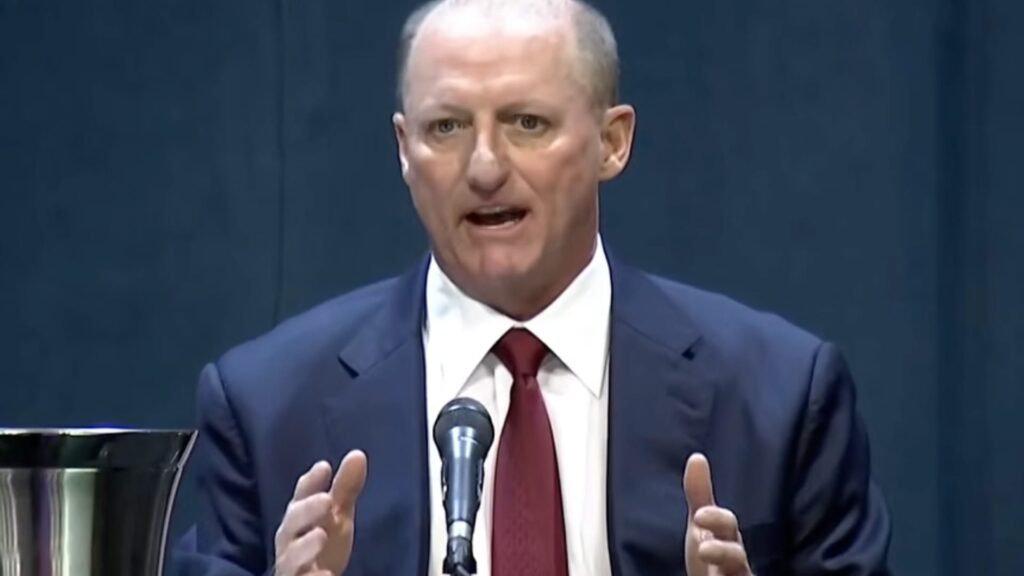
Table of Contents
A Strategic Pivot Under New Leadership
Berkshire Hathaway has officially entered a definitive agreement to acquire Taylor Morrison Home in a cash deal valued at $6.8 billion. The announcement, made Sunday, signals a calculated move by the Omaha-based conglomerate to aggressively expand its footprint in the residential construction sector, coming at a time when the U.S. housing market is grappling with the lingering effects of high mortgage rates and a persistent affordability crisis.
The deal is particularly notable for its timing. This represents one of the first significant strategic acquisitions spearheaded by Greg Abel, who stepped into the CEO role at the beginning of 2026. While the $6.8 billion price tag is substantial, it is a relatively conservative deployment of capital for a company currently sitting on a cash reserve approaching $400 billion. Berkshire will pay $72.50 per share in cash, a figure that reflects a 24% premium over Taylor Morrison’s closing price on May 29. When accounting for debt, the total enterprise value of the acquisition reaches approximately $8.5 billion.
Integrating the Site-Built Ecosystem
For years, Berkshire has operated in the periphery of the housing market, primarily through Clayton Homes, the industry leader in manufactured housing, and the extensive Berkshire Hathaway HomeServices brokerage network. However, the acquisition of Taylor Morrison allows the conglomerate to move directly into the high-margin, site-built residential market.
In an official statement, Greg Abel emphasized the operational synergy the deal provides. “Berkshire is acquiring a best-in-class national homebuilder, led by an exceptional team and backed by a trusted reputation for customer experience,” Abel stated. He further noted that the long-term goal is to unify site-built homebuilding operations into a combined platform, effectively scaling the company’s ability to deliver new homes across a wider demographic of American buyers.
Betting Against the Current Macroeconomic Headwinds
The timing of the deal is a classic “contrarian” play, a hallmark of the Berkshire philosophy. Currently, the U.S. housing sector is under significant pressure. High borrowing costs have locked many homeowners into low-rate mortgages from previous years, creating a “lock-in effect” that has suppressed existing home inventory and pushed new buyers toward a volatile new-construction market.
By acquiring Taylor Morrison now, Berkshire is betting that the housing cycle is nearing a turning point. The thesis is simple: there is a massive, pent-up demand for housing that will explode once interest rates stabilize or begin a meaningful descent. Bill Stone, CIO of Glenview Trust and a Berkshire shareholder, told CNBC that the move suggests Berkshire is positioning itself to capture a wave of demand that the market has not yet fully priced in.
Expanding the Industrial Moat
This acquisition doesn’t exist in a vacuum. It complements Berkshire’s existing portfolio of building product companies, creating a vertical integration strategy that could potentially lower costs across the construction pipeline. By controlling both the materials and the builder, Berkshire can insulate itself from the supply chain shocks that plagued the industry between 2020 and 2023.
This move follows a pattern of disciplined, large-scale cash deployments. The last major transaction on Berkshire’s ledger occurred in October, when the company spent $9.7 billion to acquire OxyChem, the chemical arm of Occidental Petroleum. The Taylor Morrison deal proves that under Abel’s leadership, the company remains committed to deploying its massive cash hoard into tangible, asset-heavy industries with long-term utility.
The transaction is expected to close in the second half of 2026, pending regulatory approvals and customary closing conditions.


