Samsung Lowers the Barrier to Mini LED with New AI-Driven TV Lineup in India
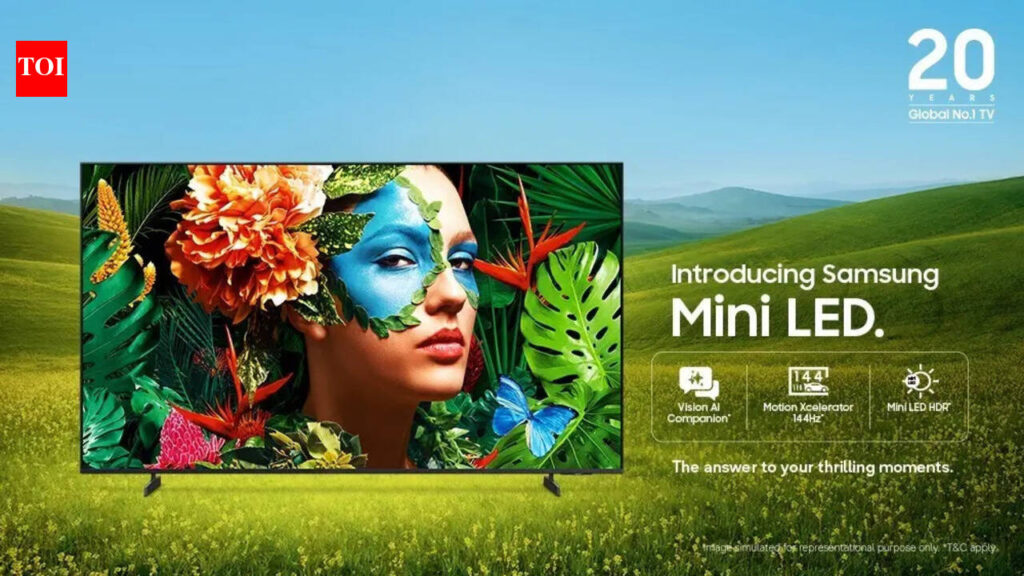
Table of Contents
The Mid-Range Push for Mini LED
Samsung is making a calculated move to democratize high-end display technology in India, launching a new series of AI-powered Mini LED televisions with a surprisingly aggressive entry price of Rs 42,990. While Mini LED has traditionally been reserved for the flagship Neo QLED tier, this latest push suggests Samsung is attempting to squeeze the competition in the mid-range segment, where OLED and standard LED panels have long fought for dominance.
The shift toward Mini LED at this price point is significant. By utilizing thousands of tiny LEDs instead of larger traditional backlights, Samsung can achieve tighter contrast control and higher peak brightness without the risk of burn-in associated with OLED. For the Indian consumer, this translates to a screen that performs well in brightly lit living rooms—a common architectural trait in many Indian homes where direct sunlight often washes out lower-end panels.
AI Integration and the Processing Gap
At the heart of these new sets is Samsung’s proprietary AI processing. The company is leaning heavily into its AI upscaling capabilities, promising to transform lower-resolution content (such as 1080p cable TV or older streaming titles) into near-4K quality in real-time. This isn’t just a marketing buzzword; the AI processor analyzes frame-by-frame textures and edges to reduce noise and sharpen imagery without creating the artificial ‘soap opera effect’ often seen in cheaper processing chips.
Beyond picture quality, the AI extends to energy management. The TVs utilize an intelligent brightness sensor that adjusts the Mini LED zones based on the ambient light of the room, potentially extending the lifespan of the hardware and reducing power consumption—a critical selling point as energy costs fluctuate.
Technical Specifications and Ecosystem
While the entry-level model starts at Rs 42,990, the lineup scales upward with larger screen sizes and enhanced speaker arrays. All models in this series integrate Tizen OS, which has recently been updated to offer a more streamlined interface and deeper integration with Samsung’s SmartThings ecosystem. This allows the TV to act as a hub for other connected devices in the home, from smart lights to refrigerators.
Market Context: The Fight for the Living Room
This launch puts Samsung in direct competition with Xiaomi and TCL, both of whom have been aggressively pushing Mini LED and QLED tech into the sub-50k price bracket. However, Samsung’s advantage remains its service infrastructure and brand equity in India. By bringing Mini LED down to a more accessible price point, Samsung is effectively neutralizing the ‘value-for-money’ argument used by Chinese competitors.
The timing is also strategic. With the Indian market seeing a surge in demand for larger screens (65 inches and above) as users move toward cinematic home theater setups, providing a high-contrast Mini LED option at a fraction of the cost of a flagship Neo QLED is a clear bid for market share volume.
The new range is available through major e-commerce platforms and Samsung’s offline retail network, with various bank offers and exchange schemes likely to bring the effective cost even lower for early adopters.


