FAA Grounds Starship After ‘Mishap’ During First V3 Booster Flight
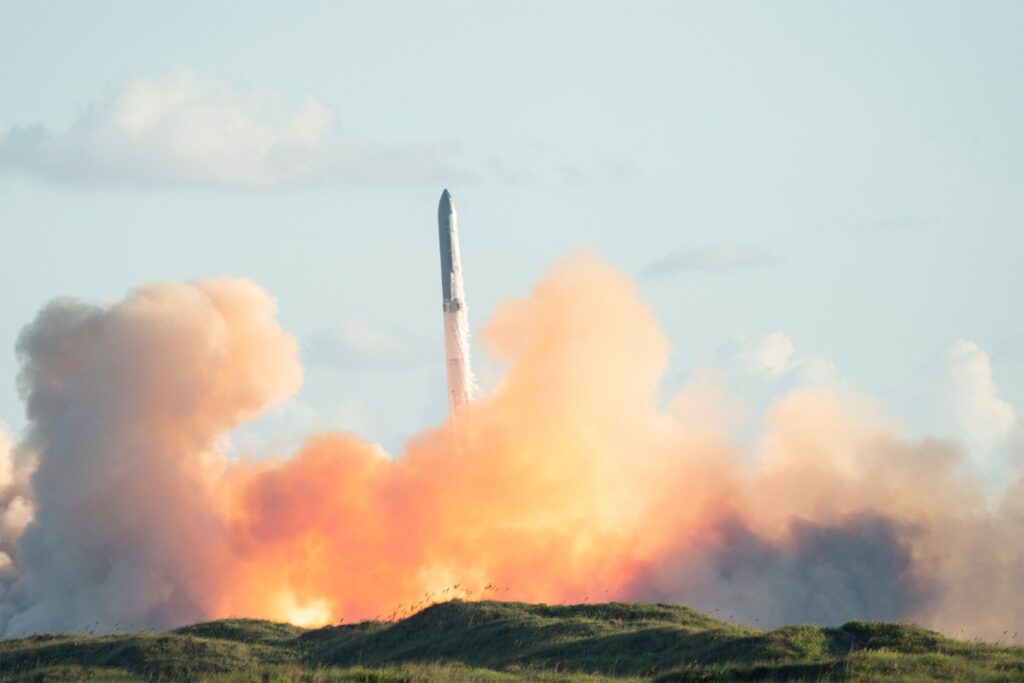
Table of Contents
The Regulatory Pause
The Federal Aviation Administration (FAA) has officially designated the May 22 SpaceX Starship Flight 12 launch as a “mishap,” effectively grounding the most powerful rocket in human history until a full investigation is completed. The agency’s decision comes after a critical failure of the Super Heavy booster during its attempted return to the Gulf of Mexico, a move that puts SpaceX’s aggressive testing timeline under significant pressure.
In a statement provided to the press, the FAA confirmed that while there were no reports of public injury or damage to property, the failure of the booster warrants a formal oversight process. SpaceX is now required to lead an investigation under FAA supervision, submitting a final report and detailed corrective actions before the agency will grant a license for the next launch.
This regulatory hurdle arrives at a precarious moment for SpaceX. The company has been eyeing a potential IPO in mid-June, and a prolonged grounding of its flagship development program could complicate the narrative for prospective investors who are looking for proof of Starship’s operational maturity.
The V3 Failure: What Went Wrong
Flight 12 was intended to be a milestone, marking the debut of the “V3” iteration of the Starship system. SpaceX implemented a suite of hardware changes to improve reliability over the previous 11 test flights, including modified booster airframes and the deployment of third-generation Raptor engines.
Early telemetry showed a successful ascent; the rocket pushed through the point of maximum dynamic pressure and reached space. However, the crisis began during the descent phase. While stage separation occurred as planned, the Super Heavy booster suffered an apparent engine failure—or a cascading series of failures—during the critical sustained burn required to propel the vehicle back toward the South Texas coast.
Without the necessary thrust to stabilize and decelerate, the booster entered a tumble, eventually impacting the Gulf of Mexico and exploding upon contact. The failure was not isolated to the booster; the Starship upper stage also experienced the loss of one of its six Raptor engines, forcing SpaceX to abandon a planned orbital burn, further limiting the data gathered from the mission.
The Starlink Dependency
To the casual observer, these explosions are part of SpaceX’s “fail fast, learn fast” philosophy. However, the technical stakes for Starship are higher than those of the Falcon 9. The company’s financial future is increasingly tied to the success of Starlink, which is currently its only consistently profitable business segment.
As detailed in recent financial filings, the scalability of Starlink is entirely dependent on Starship’s capacity to launch massive constellations of satellites at a fraction of current costs. Without a fully reusable, reliable heavy-lift vehicle, SpaceX cannot achieve the launch cadence required to sustain its global internet ambitions. The V3 booster was supposed to be the bridge to that reliability; instead, it has highlighted the volatility of the Raptor engine’s performance during high-stress maneuvers.
A Crowded Heavy-Lift Field
The FAA’s scrutiny isn’t limited to Elon Musk’s venture. The agency has applied similar mishap protocols to Blue Origin as Jeff Bezos’s company develops its own heavy-lift rocket, New Glenn. The contrast in current momentum is stark: while SpaceX is stalled by the V3 investigation, the FAA recently cleared New Glenn to return to flight. Blue Origin is expected to attempt its fourth New Glenn launch within the coming month, potentially narrowing the gap in the heavy-lift race while SpaceX is tethered to the ground by paperwork and forensics.


