Xiaomi brings QD-Mini LED tech to India with the upcoming FX TV series
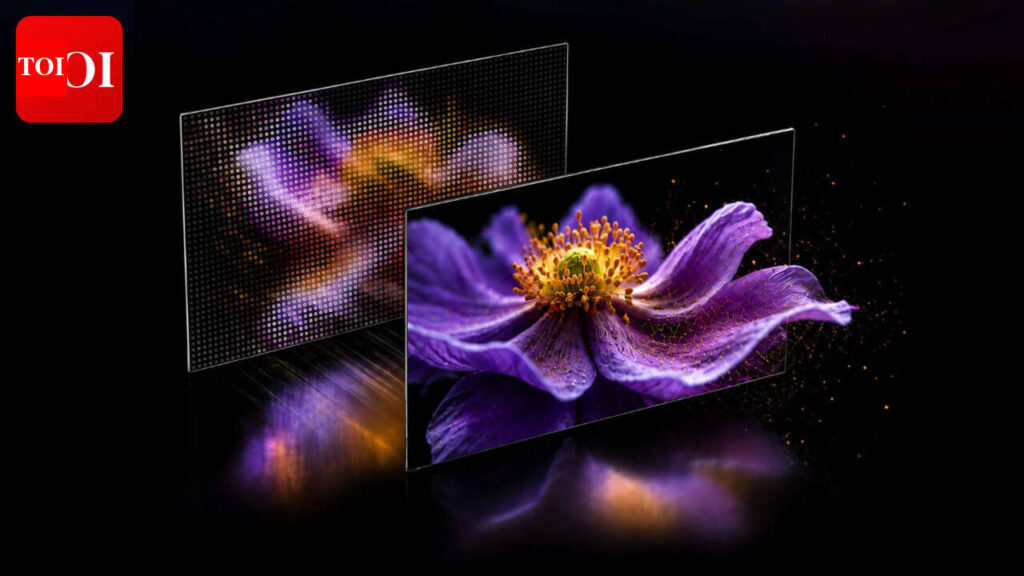
Table of Contents
A pivot toward high-end luminance
Xiaomi is preparing to shake up the premium television segment in India with the launch of the FX Mini LED series on June 4, 2026. While the company has long been known for offering budget-friendly Smart TVs that dominate the entry-level market, the FX series represents a deliberate move toward the high-end enthusiast crowd, targeting users who want the black levels of OLED without the risk of permanent burn-in or the limitations of peak brightness.
The centerpiece of the FX series is the Full-Array QD-Mini LED backlighting system. Unlike traditional LED TVs that rely on a few large dimming zones, the FX series utilizes thousands of microscopic LEDs grouped into independent dimming zones. This allows the TV to shut off lights in specific areas of the screen to produce deep blacks while maintaining searing brightness in highlights—a critical requirement for an authentic HDR experience.
The Quantum MagiQ engine
Hardware is only half the story. Xiaomi is pairing the Mini LED panels with its proprietary Quantum MagiQ image processing engine. This AI-driven chipset is designed to handle upscaling and color accuracy in real-time, ensuring that 1080p content looks crisp on a 4K panel. According to the technical specifications, the series covers 93% of the DCI-P3 wide color gamut, which means colors will appear more saturated and lifelike, bridging the gap between consumer electronics and professional grading monitors.
This push for color accuracy is particularly relevant as Indian streaming platforms and global services like Netflix and Disney+ Hotstar continue to push 4K HDR10+ and Dolby Vision content. The FX series aims to be the hardware bridge that lets users actually see the intent of the colorist.
Amazon’s ecosystem takes the lead
Interestingly, Xiaomi has opted to steer away from its own PatchWall interface as the primary OS for this specific lineup, instead integrating Amazon’s Fire TV platform. This is a strategic move that simplifies the user experience for the Indian consumer, providing native access to the Alexa ecosystem and a seamless integration with Amazon Prime Video and other popular apps.
The shift to Fire TV also suggests that Xiaomi is prioritizing a more “plug-and-play” global software standard over a fragmented proprietary skin. Users will have access to full Alexa voice control, allowing for smart home integration directly from the remote.
Audio and Form Factor
While Xiaomi hasn’t yet disclosed the exact screen sizes available for the Indian market, early leaks suggest a range of large-format panels. The larger models in the FX series are equipped with a quad-speaker array, supporting both Dolby Audio and DTS:X. By utilizing a quad-speaker setup, Xiaomi is attempting to solve the perennial problem of thin-bezel TVs: the lack of acoustic volume. DTS:X support indicates a move toward spatial audio, attempting to simulate a more immersive soundstage without requiring a full external surround system.
Pricing remains the biggest question mark. If Xiaomi prices the FX series aggressively against competitors like Samsung’s Neo QLED or Sony’s Bravia Mini LED lines, it could significantly shift the market share of high-end displays in India. The official pricing and size variations will be unveiled during the June 4 event.