Android 17 QPR1 Beta 3 Leans Into ‘Blur’ Aesthetics and Animation Polish
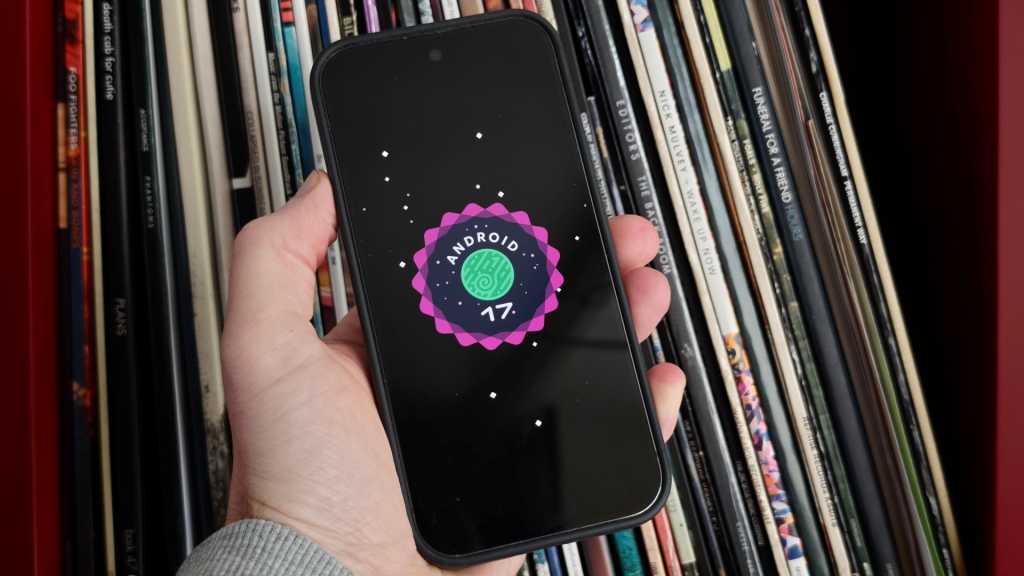
Table of Contents
A Pivot Toward Visual Fluidity
Google has quietly pushed Android 17 QPR1 Beta 3 to Pixel users, signaling a shift in focus from core architectural changes to a more refined, tactile user experience. While the first stable build of Android 17 is expected to hit devices in the coming month, Google is already iterating on the Quarter Platform Release (QPR) cycle. This specific beta serves as the foundational layer for the highly anticipated September Pixel Drop, which typically introduces a suite of AI-driven features and system tweaks.
For those currently enrolled in the Android Beta Program, the update is available across the Pixel lineup, spanning from the aging Pixel 6 through the latest Pixel 10 series. While the release notes emphasize stability, the actual user experience reveals an obsession with “micro-interactions”—the small, physics-based animations that make a device feel responsive rather than static.
The ‘Blur’ Philosophy and Bouncy UI
If there is a central theme to Android 17’s visual identity, it is depth. Google is doubling down on background blur effects, moving away from the flat, stark transitions of previous versions toward a more layered aesthetic. This is most evident in the revamped Quick Settings menu. The panel now features a “bouncy” animation; when users pull down the notification shade, the menu exhibits a subtle spring-back effect, mimicking physical tension.
This attention to motion extends to the system’s most frequent shortcuts. Launching the camera via a double-press of the power button no longer triggers a generic jump-cut. Instead, the Camera UI now expands fluidly from the side of the frame, visually pushing away the lock screen overlay. It is a subtle change, but it aligns Google’s software more closely with the high-polish animations found in iOS and OxygenOS.
Functional Overhauls in Quick Settings
Beyond the eye candy, Beta 3 introduces a pragmatic redesign of the media player controls within the Quick Settings area. Moving away from the traditional swipe-to-change mechanic, Google has implemented a new card layout. This allows users to switch between different active media apps—such as jumping from Spotify to YouTube Music—via direct tapping. This reduces the friction of managing multiple audio streams and provides a cleaner visual representation of what is currently playing.
Similarly, the screen recording utility has received a quality-of-life upgrade. The menu now intelligently defaults to the last used application, removing a repetitive step for power users and creators. Google has also added more granular, immediate toggles for device audio and microphone input, ensuring users don’t accidentally record a silent clip or a noisy background.
Squashing the Beta Bugs
Of course, the primary goal of a Beta 3 release is stabilization. Google’s engineers have focused on a series of persistent annoyances that have plagued earlier iterations of the Android 17 preview. The update specifically targets Wi-Fi instability, addressing reports of random disconnections that interrupted connectivity.
Other notable fixes include:
- Correction of distorted audio playback during high-bitrate media streaming.
- Resolution of UI glitches that occurred when apps were forced into full-screen mode.
- A fix for the disappearing Home Screen widgets, which occasionally vanished after a system reboot.
While the stable release of Android 17 will bring the heavy-hitting features, QPR1 Beta 3 proves that Google is spending significant effort on the “feel” of the OS. By prioritizing blur, bounce, and better media management, they are attempting to bridge the gap between functional software and a premium, cohesive design language.


