The Photography & Video Show Returns to Birmingham NEC with a Heavy Focus on the ‘Creator’ Economy
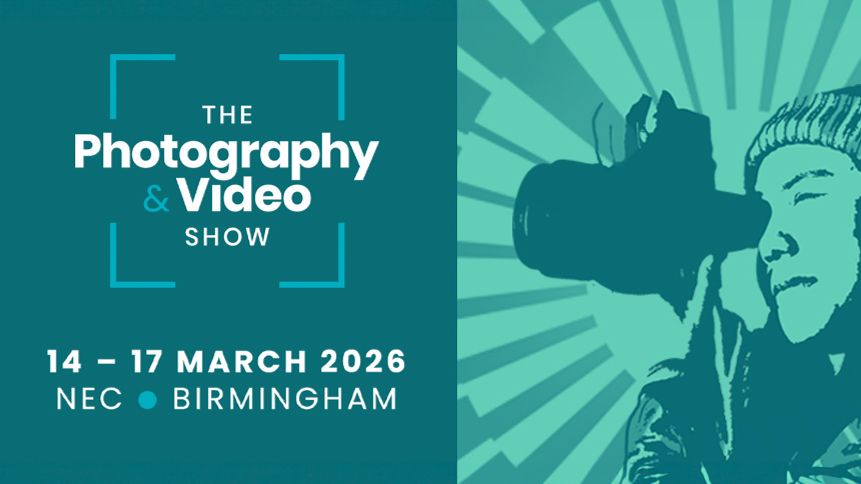
Table of Contents
A Strategic Return to the Midlands
After a brief experiment with a London-based venue last year, The Photography & Video Show (TPVS) is returning to its spiritual home at the National Exhibition Centre (NEC) in Birmingham. Scheduled from March 14 to March 17, 2026, the event marks a pivot back to the expansive halls of the NEC, signaling a desire for more breathing room as the imaging industry continues to blur the lines between professional cinematography and high-end consumer vlogging.
The decision to alternate the show between Birmingham and London reflects a broader trend in trade exhibitions—balancing the accessibility of the capital with the sheer scale and logistical ease of the Midlands’ primary exhibition hub. For attendees, this means more space for the massive installations typical of brands like Sony, Canon, and Nikon, who use these events not just to sell hardware, but to demonstrate the ecosystem of lenses and accessories that keep professionals locked into their platforms.
The Shift Toward ‘Creator’ Infrastructure
While the 2026 edition maintains its commitment to traditional photography, the structural layout of the show reveals a clear editorial shift toward the “Creator Economy.” The introduction of the Creator Stage and the Creator Playground suggests that the organizers are no longer treating YouTubers and TikTokers as a niche subset of the hobbyist community, but as a primary market driver.
The Creator Stage is specifically designed to address the business side of digital influence—community building and vlogging workflows—while the Creator Playground provides physical sets and studios. This move mirrors the industry’s realization that gear acquisition is now driven as much by “aesthetic” and “workflow speed” as it is by raw megapixel counts or dynamic range. By integrating these spaces, TPVS is acknowledging that for many modern photographers, the final destination of an image is no longer a gallery or a magazine, but a social feed.
Bridging the Gap: From Darkrooms to AI Post-Production
Despite the push toward digital content creation, the show is maintaining a surprising amount of ideological diversity. The Analogue Stage, sponsored by AG Photolab, remains a cornerstone of the event, catering to the persistent resurgence of film photography and traditional darkroom chemistry. This creates a fascinating tension on the show floor: in one hall, attendees will be discussing the tactile nature of silver halide prints, while in the Editing & Post-Production Suite, they will be exploring the latest AI-driven masking and generative fill tools in software like Adobe Lightroom and Capture One.
This duality is further emphasized in the educational programming. The “Fundamentals Stage” has replaced the previous paid masterclass model with free, open-access content. By removing the paywall for foundational learning, the event is attempting to lower the barrier to entry for beginners, likely in hopes of converting them into long-term ecosystem users for the exhibiting brands.
Hardware and Heavy Hitters
From a hardware perspective, the 2026 show will act as a critical touchpoint for the latest mirrorless iterations and cinema line updates. With industry giants such as Fujifilm, OM System, Pentax, and Sigma in attendance, the event serves as a massive “try-before-you-buy” laboratory. The presence of major retailers like Wex Photo Video and London Camera Exchange (LCE) ensures that the transition from demonstration to purchase is frictionless, effectively turning the NEC into a four-day high-conversion retail hub.
The speaker lineup adds a layer of professional credibility to the spectacle. The inclusion of fashion photographer Lindsay Adler and street photography specialist Adam Schaller indicates that while the “creator” trend is strong, the show still leans heavily on the prestige of world-class imaging educators to maintain its standing among professional creatives.
Logistics and Access
Entry for the event is priced at £24 for single-day access, with a staggered discount for those attending multiple days. In a move to support the next generation of professionals, students are granted free entry on Monday, March 16, and Tuesday, March 17, though weekend access remains at a concession rate of £21. With over 500 talks and demos scheduled, the event is positioned as less of a trade show and more of a comprehensive imaging summit.


