Google Quietly Rolls Out ‘Preferred Sources’ to Fight AI Overload and Algorithmic Noise
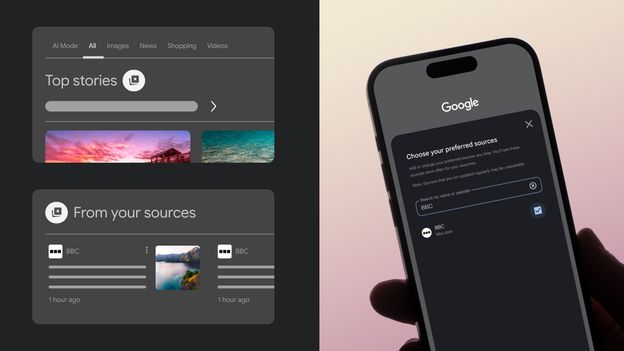
Table of Contents
Returning Control to the User in the Age of AI Summaries
For years, the tension between Google’s algorithmic curation and user intent has been a central theme of the open web. As the search giant leans more heavily into AI-generated summaries and “zero-click” results—where the answer is provided on the search page itself, removing the need to click through to a publisher—trusted news organizations have seen a volatile shift in traffic patterns. In a subtle but significant pivot toward personalization, Google is introducing a “Preferred Sources” tool, allowing users to manually dictate which publishers get priority in their search experience.
The feature represents a departure from the traditional “black box” nature of Google’s ranking systems. Instead of relying solely on E-E-A-T (Experience, Expertise, Authoritativeness, and Trustworthiness) metrics calculated by an algorithm, Google is now letting users create their own whitelist of trusted entities. When a user designates a site—such as the BBC, Reuters, or a niche technical journal—as a Preferred Source, the engine adjusts the visibility of that publisher’s content across Google apps and websites.
How the ‘From Your Sources’ Ecosystem Works
The most immediate impact of this change is visible within the “Top Stories” carousel. While Google continues to populate this section based on timeliness and relevance, the Preferred Sources tool introduces a new layer of hierarchy. Users will now notice a specific “from your sources” section nested within Top Stories, effectively creating a high-priority lane for the publications the user has explicitly chosen.
This mechanism serves as a hedge against the “homogenization” of news feeds. By allowing users to anchor their search experience to specific brands, Google is acknowledging that algorithmic relevance does not always equal user trust. For a professional researcher or a news junkie, the ability to ensure a specific publication appears first—regardless of how the general algorithm is weighing a particular trending topic—is a meaningful utility upgrade.
Implementing Your Preferences
There are two primary ways to engage with the new system. The most direct method is through the Google account settings menu, where users can browse and check boxes next to a list of recognized publishers to add them to their preference list. This requires being signed into a Google account, as the preferences are tied to the user’s global profile rather than a local browser cookie.
Alternatively, Google has integrated a “real-time” onboarding process directly into the search interface. When browsing “Top Stories,” users will see a starred card icon. Clicking this icon allows the user to instantly promote a publisher they are currently viewing to a Preferred Source. Once selected, a quick refresh of the search page typically reflects the updated priority, with that publisher’s content pushed higher in the results hierarchy.
The Strategic Shift: A Response to the ‘Enshittification’ Narrative
This move comes at a critical time for Google. The company has faced mounting criticism over the perceived decline in search quality, often described by internet culture critics as the “enshittification” of the search experience—where an abundance of SEO-optimized spam and AI-generated filler makes finding authentic human reporting more difficult.
By introducing Preferred Sources, Google is essentially admitting that its automated systems can’t always distinguish between a “statistically relevant” result and a “trusted” result in the eyes of the individual. It is a strategic concession that empowers the user to act as their own editor. For publishers, this creates a new incentive: the goal is no longer just to rank #1 for a keyword, but to be a “Preferred Source” in the user’s personal settings, fostering a direct-to-consumer relationship that bypasses the volatility of core algorithm updates.


