Samsung Aggressively Prices New AI Mini LED TVs in India to Counter Xiaomi and TCL
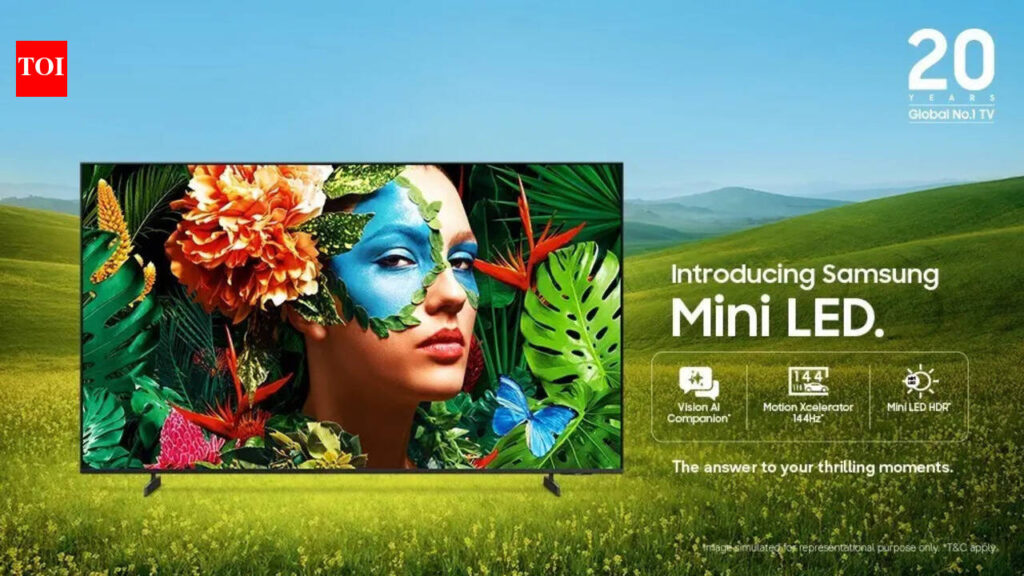
Table of Contents
A Strategic Pivot in the Mid-Range Market
Samsung is making a calculated move to reclaim the mid-range living room in India. The company has officially launched a new series of AI-powered Mini LED televisions, with a starting price point of Rs 42,990—a figure that signals a departure from the premium-only positioning usually associated with its high-end display tech.
For years, Mini LED has been the playground of the ultra-premium, sitting just below OLED in terms of cost but offering a massive leap in brightness and contrast over traditional LEDs. By bringing this technology down to the 40k-50k price bracket, Samsung is directly challenging the dominance of brands like Xiaomi and TCL, who have leveraged aggressive pricing to capture the Indian middle class.
The AI Engine: More Than Just a Buzzword
The centerpiece of this new lineup is the integration of AI-driven processing. While “AI TV” has become a marketing catch-all, Samsung is specifically focusing on AI Upscaling. The processor is designed to analyze low-resolution content in real-time and map it to a 4K grid, reducing the blocky artifacts often seen in older cable TV broadcasts or 1080p streaming content.
Beyond image quality, the AI integration extends to the Tizen OS ecosystem. The TVs feature an optimized AI energy mode that adjusts brightness and contrast based on the ambient light in the room—a critical feature for Indian households where lighting conditions vary wildly between midday and evening. This isn’t just about efficiency; it’s about maintaining a consistent black level in high-glare environments, which has historically been the Achilles’ heel of non-OLED panels.
Mini LED vs. The Competition
The technical shift to Mini LED is the real story here. By using thousands of tiny LEDs instead of a few dozen large ones, Samsung can achieve much tighter control over local dimming zones. This means that when a scene has a bright moon against a pitch-black sky, the TV can actually turn off the LEDs in the black areas rather than letting light bleed through, a common issue in the budget-friendly LED TVs currently flooding the market.
Comparing the Value Proposition
| Feature | Standard LED (Budget) | Samsung AI Mini LED | Premium OLED |
|---|---|---|---|
| Contrast | Moderate | High (Zoned) | Infinite |
| Brightness | Average | Very High | Moderate to High |
| Price Point | Low | Mid-Range | Premium |
| AI Processing | Basic/None | Advanced Upscaling | Neural Processing |
This positioning places these TVs in a “sweet spot.” They offer nearly the visual impact of a flagship Neo QLED but at a price that doesn’t require a dedicated financing plan for the average consumer.
The India Playbook
The timing of this launch is not accidental. With the festive season and various e-commerce sales cycles approaching, Samsung is attempting to pivot its brand perception from “luxury” to “accessible innovation.” By pricing the entry model at Rs 42,990, they are undercuting the perceived cost of quality while maintaining the brand prestige of the Samsung ecosystem.
However, the success of this rollout will depend on the software experience. Tizen OS remains a polarizing interface; while powerful, its tendency toward bloatware and ad-heavy home screens can alienate users who prefer the clean nature of Google TV. Samsung will need to ensure that the “AI” promises translate into a seamless user experience rather than just a series of menu options that users never touch.
As the market shifts, this move suggests that the battle for the Indian consumer is no longer just about who can offer the biggest screen for the lowest price, but who can integrate meaningful intelligence into the hardware without breaking the bank.


