Waymo’s Ojai: A First Look at the Zeekr-Based Pivot to Purpose-Built Robotaxis
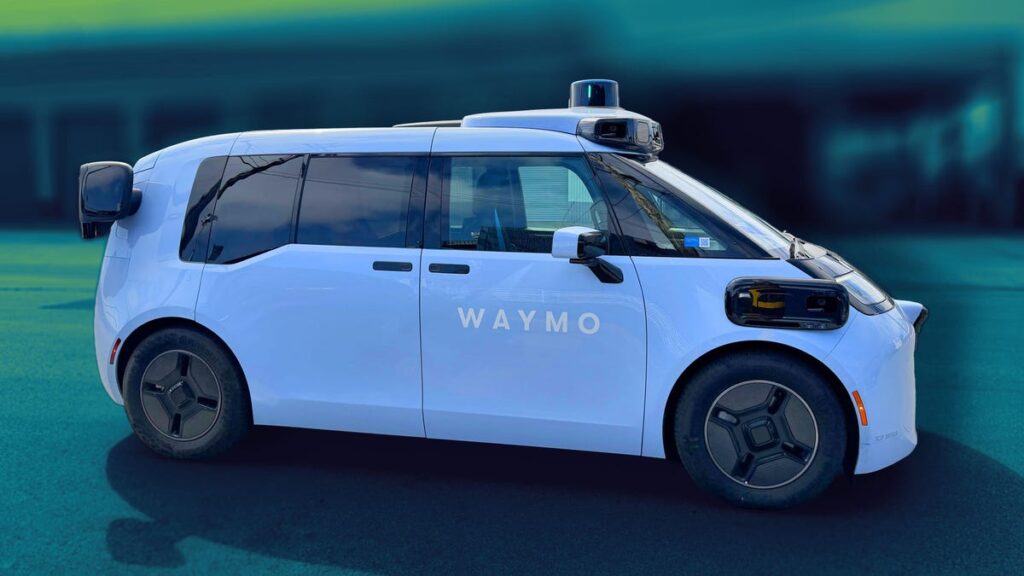
Table of Contents
Moving Beyond the Jaguar: The Era of the Purpose-Built Pod
For years, the image of a Waymo ride was synonymous with the Jaguar I-Pace—a sleek, luxury EV that felt like a traditional car happened to be driving itself. But as the industry shifts from ‘autonomous versions of existing cars’ to ‘purpose-built mobility pods,’ Waymo is making a decisive move. Enter the Ojai.
Pronounced “Oh, hi,” the Ojai marks a fundamental shift in Waymo’s hardware strategy. Moving away from the I-Pace, the company has partnered with Zeekr, the premium EV arm of Geely, to deploy a vehicle that prioritizes passenger utility over automotive tradition. In a first-ride experience in San Francisco, the difference is immediately apparent: the Ojai isn’t trying to be a car; it’s trying to be a lounge on wheels.
The most striking change is the architecture. By utilizing a boxier, van-like silhouette, Waymo has solved the primary complaint of the I-Pace: cramped rear quarters. The Ojai features a completely flat floor and significantly higher ceilings, creating a level of legroom that rivals executive class seating. The introduction of dual-sliding doors is a critical UX upgrade, allowing passengers to enter and exit in tight urban environments without the swing-radius constraints of traditional doors.
The Gen 6 Driver: Solving the Weather Problem
While the interior is the most visible change, the real story is on the roof. The Ojai debuts the sixth-generation Waymo Driver, a sensor suite designed to dismantle the ‘geofencing’ limitations caused by erratic weather. Historically, robotaxis have struggled with ‘edge cases’ like heavy snow or torrential rain, which can blind LIDAR and camera systems.
The Gen 6 system introduces enhanced detection capabilities and a specialized sensor-cleaning mechanism—including small, dedicated wipers for the sensor suite—to ensure the vehicle maintains a clear field of vision in precipitation. According to Waymo, this allows the Ojai to gauge objects and detect fine details across a wider variety of lighting and weather conditions than previous iterations. This technical leap is the linchpin for Waymo’s expansion strategy, potentially opening up colder, snow-prone markets that were previously too risky for full autonomy.
Engineering for Inclusivity and Flexibility
Waymo is also leaning harder into digital accessibility. Inside the Ojai, critical interface buttons now include Braille, a necessary addition for visually impaired users who rely on the service for independent mobility. The cabin is managed via a central touchscreen for climate control, music, and customer support, streamlining the experience into a few taps.
Perhaps the most telling detail about the Ojai’s trajectory is the steering wheel. While current models still feature one for regulatory and safety redundancies, Waymo has confirmed the Ojai is designed for the eventual removal of the driver’s controls. This would transform the front seat into additional passenger space, fully realizing the vision of a ‘driverless’ experience where the interior is designed around the passenger, not the operator.
Deployment and Availability
The rollout is starting in Waymo’s core strongholds: San Francisco, Los Angeles, and Phoenix. These cities serve as the primary testing grounds for the Ojai’s integration into the existing fleet before a wider summer expansion. For current users, the transition is handled via the app, where riders can express interest in the new vehicle and receive notifications when an Ojai is assigned to their trip.
The shift to the Zeekr-based platform suggests that Waymo is prioritizing scale and operational efficiency. By moving to a platform that is easier to modify and more spacious for the passenger, Waymo is distancing itself from the ‘luxury car’ aesthetic and moving toward a true mass-transit utility model.


