The High Ground of History: Israel Reclaims Beaufort Castle as Operations Push North of Litani
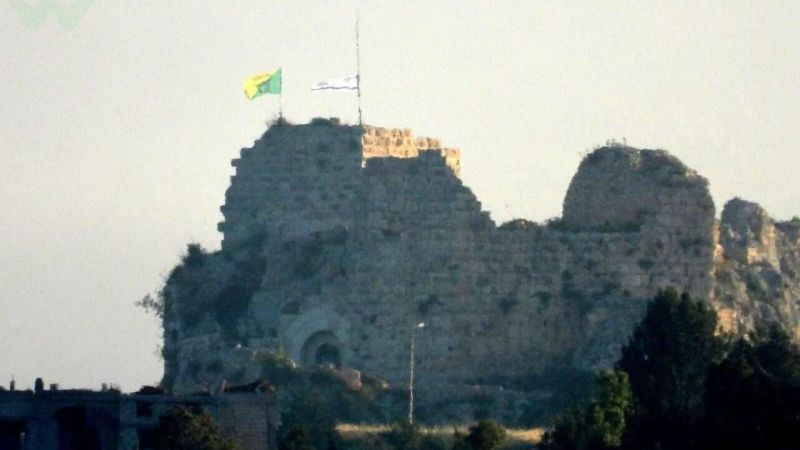
Table of Contents
A Strategic Ascent
For the first time in twenty-six years, the Israeli military has re-established control over Beaufort Castle, a medieval fortress perched on a precipice in southern Lebanon. The seizure is more than a symbolic reclamation of a historic site; it represents a tactical pivot as Prime Minister Benjamin Netanyahu directs the Israel Defense Forces (IDF) to extend their operational footprint deeper into Lebanese territory, pushing well beyond the Litani River.
The fortress, located approximately 9 miles from the Israeli border near Nabatiyeh, has long been a focal point of regional conflict due to its commanding view of the surrounding landscape. According to an official IDF statement released Sunday, the operation specifically targeted the Beaufort Ridge and the Wadi al-Saluki area to dismantle what the military describes as Hezbollah’s command and control infrastructure. The IDF asserts that the ridge had been utilized by Hezbollah to coordinate military activities and launch strikes into Israel.
The Clash of Antiquity and Modern Warfare
Beaufort Castle is not merely a military outpost; it is a UNESCO-protected site, cited as one of the most intact examples of medieval Crusader architecture in the Near East. The fortress’s current predicament highlights the recurring tension between cultural preservation and strategic military necessity. In late 2024, UNESCO granted the site ‘provisional enhanced protection’—the highest tier of immunity against military usage—following the onset of the ground invasion.
However, the site’s geography makes it an irresistible asset for any force seeking to dominate the southern Lebanese border. The castle was a flashpoint during the 1982 conflict between Israel and the Palestine Liberation Organization (PLO). During the subsequent 18-year Israeli occupation, the structure sustained significant damage, a reminder that the fortress’s strategic value often comes at the cost of its architectural integrity.
Expanding the Forward Defense Line
The capture of the castle is the centerpiece of a broader shift in Israeli policy. Prime Minister Benjamin Netanyahu described the operation as a “dramatic change” in strategy, noting that the raising of the Golani Brigade’s flag atop the outpost signifies a new phase of territorial control.
This maneuver aligns with reports that Israeli forces have already crossed the Litani River, which sits roughly 15 to 20 miles north of the border. By pushing north of the river, the IDF is attempting to create a deeper buffer zone, issuing evacuation orders for several villages and striking Hezbollah weapons caches and command centers in the coastal Tyre region.
The Diplomatic Friction
The escalation comes at a precarious diplomatic moment. While a US-mediated ceasefire was agreed upon by Israeli and Lebanese governments in April, the reality on the ground has been characterized by intensifying clashes. The strategic push north of the Litani suggests a willingness by the Israeli government to prioritize operational security over the constraints of the existing ceasefire agreement.
Current geopolitical dynamics are further complicated by the involvement of the United States and Iran. While Tehran has pushed for a comprehensive ceasefire in Lebanon as a condition for wider agreements, reports indicate a different signal from Washington. An Israeli official noted that President Donald Trump has expressed support for Israel’s “freedom of action” against threats across all fronts, including Lebanon, providing Netanyahu with a perceived green light to deepen the incursion.
As the IDF expands its hold on the Beaufort Ridge and moves further into the Lebanese interior, the focus shifts from the capture of isolated strongholds to the establishment of a sustainable operational line—one that seeks to permanently degrade Hezbollah’s ability to project power toward the Israeli border.


