Meta pivots toward ‘Meta One’ as it launches a complex new web of app subscriptions
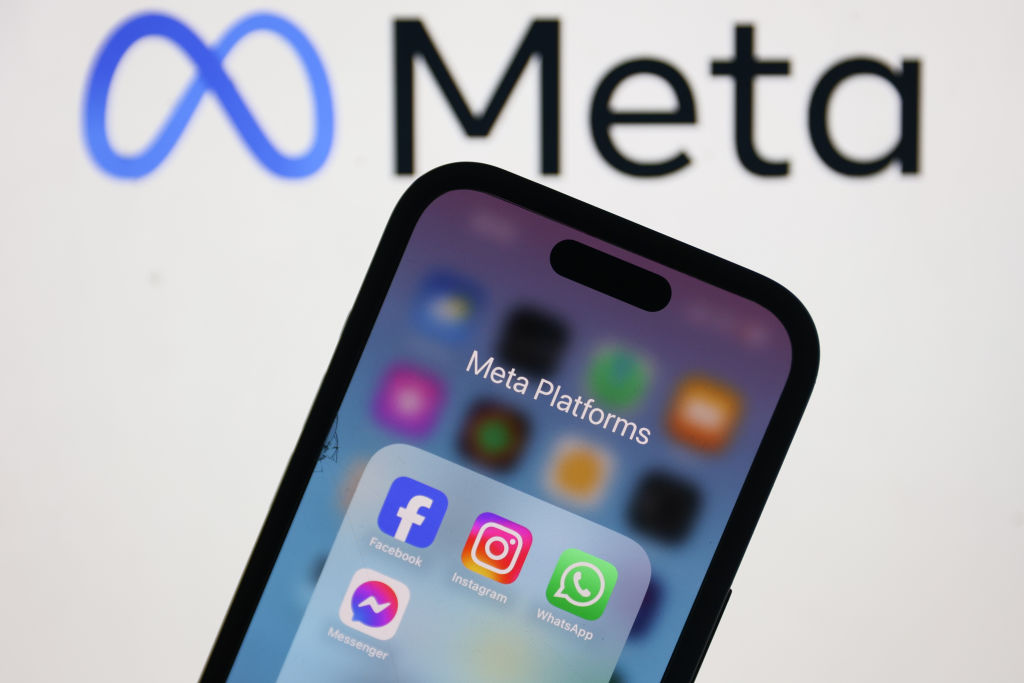
Table of Contents
A new play for diversified revenue
Meta is aggressively shifting its monetization strategy, moving beyond its heavy reliance on the advertising machine to extract direct payments from its billions of users. On Wednesday, the company announced the global rollout of consumer subscription plans for its core trio of apps: Instagram, Facebook, and WhatsApp. But the immediate launch of these “Plus” tiers is only the first phase of a more ambitious, if confusing, restructuring of how Meta charges for access to its ecosystem under a new umbrella brand called “Meta One.”
For the average user, the entry point is relatively low. Instagram Plus and Facebook Plus are priced at $3.99 per month, while WhatsApp Plus sits at $2.99. These tiers aren’t about verification—that remains the domain of Meta Verified—but rather about “social expression” and power-user utility. For Instagram users, this means a suite of tools designed to game the algorithm and monitor engagement more closely, including the ability to see aggregate re-watches on Stories, unlimited audience lists, and the ability to “spotlight” a story once a week for increased visibility.
WhatsApp Plus focuses more on the aesthetic and organizational side of messaging, offering custom app icons, themes, and expanded pinned chat limits. According to Naomi Gleit, Meta’s head of product, these are the foundations of a larger roadmap of “fun features” intended to incentivize the transition from free to paid accounts.
The ‘Meta One’ experiment
While the consumer Plus plans are launching globally, the company is simultaneously testing a more complex hierarchy for professionals and AI power users under the Meta One banner. This is where the pricing scales sharply and the offerings become more technical.
For those leaning into the generative AI boom, Meta is testing two tiers: Meta One Plus at $7.99/mo and Meta One Premium at $19.99/mo. While both provide similar baseline features, the Premium tier is designed for high-compute tasks. In practice, this means access to a “thinking mode” for complex reasoning and higher capacity for image and video generation—a move that mirrors the tiered structures seen at OpenAI and Anthropic.
These AI tests will begin next month in a targeted set of markets, including Singapore, Guatemala, and Bolivia, suggesting Meta is using these regions as a bellwether for global demand before a wider rollout.
Monetizing the creator funnel
Perhaps the most aggressive move is the introduction of professional tiers for creators and businesses. The Meta One Essential plan ($14.99/mo) bundles the existing Meta Verified badge and impersonation protection with enhanced link-sharing tools. However, the Meta One Advanced plan, priced at a steep $49.99/mo, transforms the social apps into a paid discovery engine.
Advanced subscribers will effectively be paying for preferential treatment in the ecosystem. The plan promises higher placement in Facebook and Instagram search results and the ability to be featured directly in the Facebook feed. It also introduces aggressive growth tools, such as automated “follow” invitations to users who engage with a creator’s content and optimized scheduling tools for account moderators.
This represents a significant shift in Meta’s philosophy. By offering “priority” in search and feeds for a monthly fee, Meta is essentially creating a “pay-to-play” model for organic reach, potentially complicating the landscape for smaller creators who cannot afford the $50 monthly overhead to remain competitive in the algorithm.