Poco quietly reveals Pad C1: A budget-centric tablet leaning on Snapdragon 6s 4G
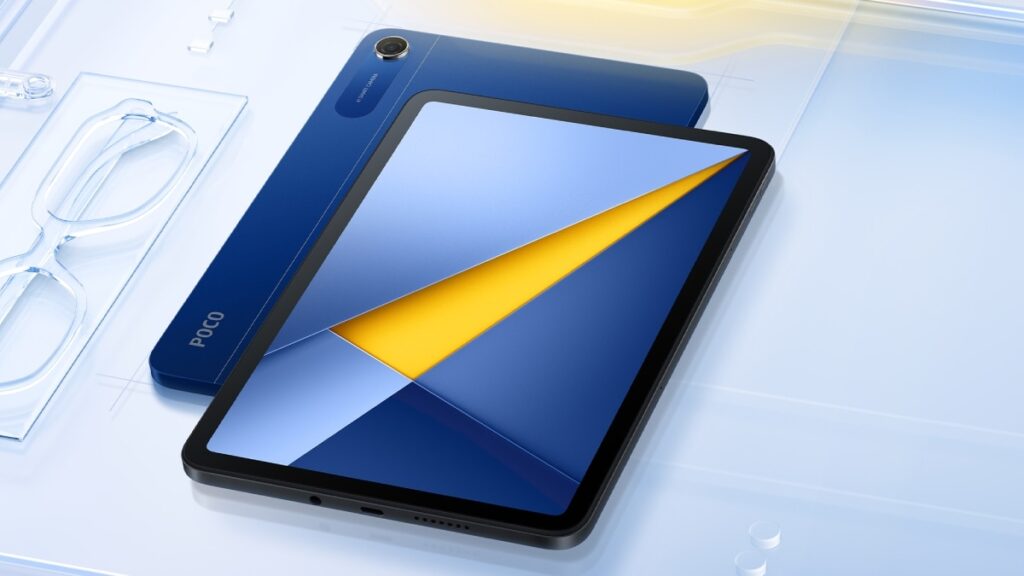
Table of Contents
A strategic pivot to the entry-level segment
Poco is expanding its footprint in the tablet market with the unveiling of the Poco Pad C1. While the company has previously focused on high-performance handsets and aggressive value-propositions in the smartphone space, the Pad C1 appears to be a calculated play for the budget education and media consumption market. The device’s specifications, surfaced via the official Poco website and internal product documentation, suggest a machine built for longevity and light productivity rather than raw power.
At the heart of the Pad C1 is the Snapdragon 6s 4G Gen 2 chipset. This choice of silicon is telling; by opting for a 4G-capable processor over the more expensive 5G variants, Poco is likely keeping the bill of materials low to ensure a competitive retail price. While this limits the device to slower cellular speeds or Wi-Fi dependency, the chipset is more than capable of handling the basic multitasking requirements of a student or a casual user.
Display and build: Balancing aesthetics with utility
The most striking feature of the Pad C1 is its 9.7-inch 2K display. In a market where budget tablets often compromise on resolution to save costs, a 2K panel provides a necessary sharpness for reading documents and streaming high-definition content. More impressively, Poco has integrated a 120Hz refresh rate, a feature typically reserved for mid-to-high-end tablets. This should result in significantly smoother scrolling and animations, mitigating the perceived lag that often plagues entry-level hardware.
Visually, the Pad C1 departs from the plastic-heavy construction of many budget tablets. Poco has opted for a metal unibody design, which not only improves the structural rigidity of the 9.7-inch frame but also gives the device a more premium tactile feel. The tablet is available in two understated colorways: Blue and Grey.
Battery life and software integration
Powering the device is a substantial 7,600mAh battery. Given the energy-efficient nature of the Snapdragon 6s series and the lack of a power-hungry 5G modem, this battery capacity should easily translate to multi-day standby times and several hours of continuous screen-on time. This makes the Pad C1 a viable option for those who don’t want to be tethered to a charger during long flights or school days.
On the software side, the Pad C1 ships with Xiaomi’s HyperOS 3. This is a critical detail, as HyperOS is designed to create a more cohesive ecosystem across Xiaomi, Redmi, and Poco devices. The integration of HyperOS 3 suggests a focus on better interconnectivity between the tablet and a companion smartphone, potentially allowing for shared clipboards or seamless app hand-offs.
Technical Specifications at a Glance
| Feature | Specification |
|---|---|
| Display | 9.7-inch 2K, 120Hz Refresh Rate |
| Processor | Snapdragon 6s 4G Gen 2 |
| RAM/Storage | 4GB/64GB or 6GB/128GB |
| Battery | 7,600mAh |
| OS | Xiaomi HyperOS 3 |
| Expandability | Up to 2TB via microSD |
The trade-offs of the budget tier
No budget device comes without compromises. The Poco Pad C1’s memory configurations—topping out at 6GB of RAM—may struggle with heavy multitasking or demanding AI-driven applications. However, the inclusion of support for up to 2TB of expandable storage ensures that users won’t be throttled by the modest internal 64GB or 128GB capacities when storing large libraries of offline media or textbooks.
Additional features include stereo speakers for improved audio immersion and AI-based face unlock for quicker biometric access. Connectivity is handled via a standard USB Type-C port, keeping it in line with modern charging standards.
Poco has yet to release official pricing or a global rollout schedule. However, based on the 4G chipset and the specific RAM tiers, it is expected that the Pad C1 will be positioned as a direct competitor to the entry-level offerings from Samsung’s Galaxy Tab A series and Lenovo’s Tab M line. Until a formal launch event occurs, the industry is left to speculate on exactly how aggressively Poco will price this hardware to disrupt the low-end tablet market.


