Valve Hikes Steam Deck Prices as AI Hardware Hunger Squeezes Consumer Electronics
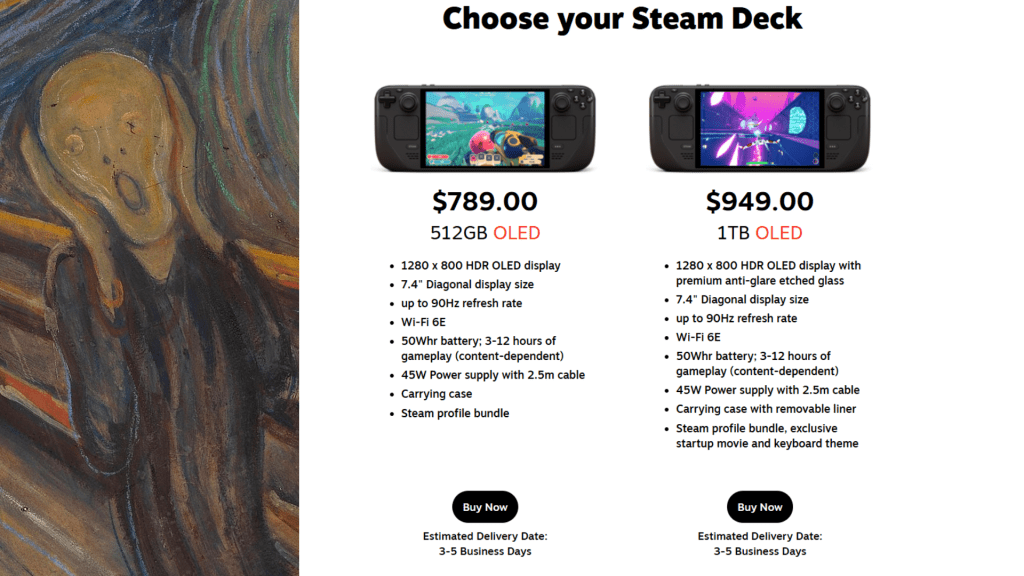
Table of Contents
The End of the Budget Handheld Era
For years, the Steam Deck stood as a defiance of the traditional PC gaming cost curve. It offered a curated, accessible entry point into high-fidelity gaming without requiring a four-figure investment. However, the return of the device to stock after a three-month hiatus comes with a sobering realization: the era of affordable portable PC gaming is effectively over.
Valve has officially updated its pricing, with the 512GB OLED model now retailing for $789 USD and the 1TB upgrade climbing to $949. For context, the original LCD model debuted at a disruptive $399. This shift isn’t merely a gradual inflationary adjustment; it is a stark reflection of a skewed global supply chain where consumer electronics are losing the war for components against the burgeoning AI infrastructure boom.
The AI Tax on Consumer Hardware
In a candid announcement, Valve attributed the price hikes to rising costs of memory and storage. While the company framed it as a matter of logistics, the broader industry narrative is more systemic. Semiconductor manufacturers and memory producers are currently prioritizing high-margin AI data centers over consumer-grade hardware. When chip producers can sell HBM (High Bandwidth Memory) and enterprise storage to giants like Microsoft and Meta for massive premiums, the demand for the Zen 2-based integrated graphics and consumer RAM used in the Steam Deck becomes a secondary priority.
This hardware crunch isn’t isolated to Valve. The Lenovo Legion Go series has seen similar upward pressure, with the more affordable Go S model—which ships with SteamOS—now pushing toward the thousand-dollar mark. The irony is that consumers are being asked to pay premium prices for hardware that is, by modern standards, aging. The Steam Deck still relies on AMD’s Zen 2 architecture, a generation that is now six years old.
A Broken Build Market
The crisis extends beyond handhelds into the traditional desktop market. Building a DIY gaming PC capable of handling modern AAA titles for under $1,000 has become nearly impossible. We have entered a historical anomaly where pre-built machines, often discounted to move inventory, may actually be cheaper than assembling a system from individual parts, primarily because consumer-packaged RAM has been hit hardest by the supply shift.
This volatility has also forced Valve to push back its more ambitious hardware projects. The long-rumored console-style Steam Machine and the Steam Frame VR headset are now sliding toward a late 2026 timeline. With current market conditions, the prospect of a Steam Machine launching under the $1,000 threshold seems increasingly unlikely.
Signs of a Market Correction
There are slim indications of a correction on the horizon. Memory producers that previously focused exclusively on the Chinese domestic market are beginning to look globally as Samsung, SK Hynix, and Micron pivot toward enterprise AI. Some Corsair RAM modules have already begun appearing with memory produced by CXMT, though these are currently restricted to the Chinese market.
Ultimately, the pricing of the Steam Deck is a canary in the coal mine for the broader tech industry. Until the appetite for AI data center expansion plateaus or the “AI bubble” faces a significant correction, consumers should expect the cost of entry for high-performance computing to remain prohibitively high. For now, the Steam Deck remains a powerful piece of hardware, but it is no longer the bargain it once was.


