The Return of the Budget PC: Qualcomm and Intel Pivot to Fight Apple’s MacBook Neo
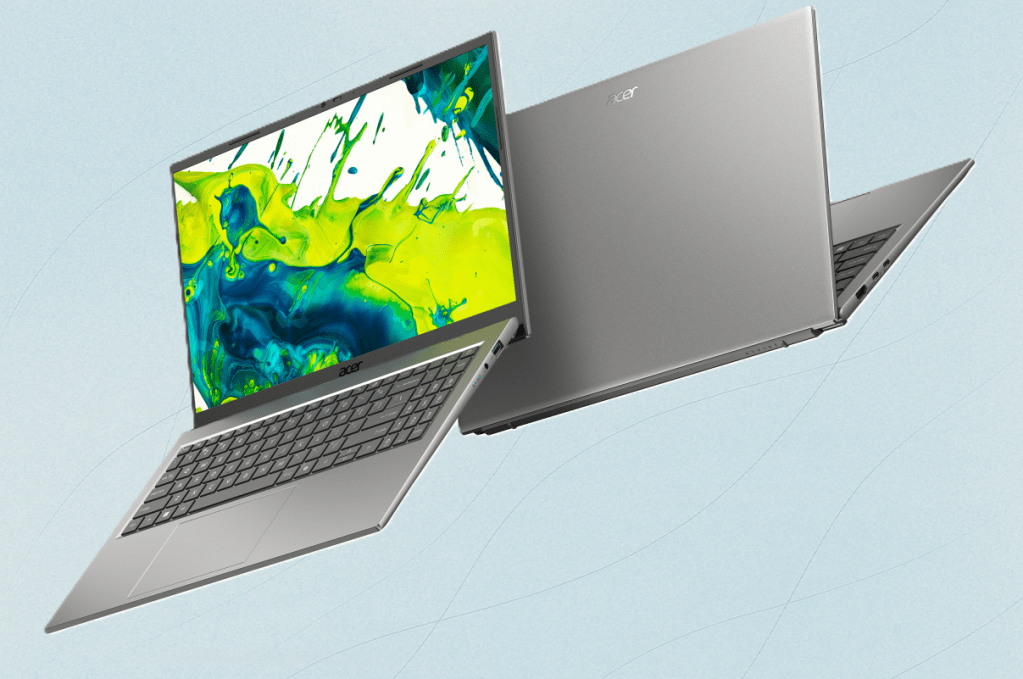
Table of Contents
A Strategic Pivot Toward the Bottom End
For the last several years, the laptop market has felt increasingly bifurcated. On one end, premium machines with AI-specialized silicon and high-end GPUs have pushed prices into the stratosphere. On the other, budget laptops had become a wasteland of sluggish performance and poor build quality, often relegated to the ‘Celeron’ bin of history. However, a new wave of hardware is signaling a shift in strategy for Windows OEMs, as they move to aggressively undercut Apple’s entry-level ambitions.
The catalyst for this shift is the Apple MacBook Neo, a device that grabbed attention by utilizing a cost-effective mobile-derived processor rather than the powerhouse M4 silicon to keep price points low. In response, Qualcomm and Intel are deploying new, efficiency-first architectures designed specifically to compete in the sub-$500 bracket.
Qualcomm’s ‘Compute’ Play
Qualcomm is attempting to bring ARM-based efficiency to the masses with the new Snapdragon C. Unlike the Snapdragon X Elite series, which focuses on raw performance and high-wattage output, the Snapdragon C (where the ‘C’ stands for Compute) leverages custom CPU cores derived from the company’s Kryo mobile lineup. This is a calculated move: by eschewing the power-hungry Oryon cores, Qualcomm can offer a chip that prioritizes battery longevity and thermal management over peak benchmarks.
The first glimpse of this strategy appears in the Acer Aspire Go 15 (AG15-Q31P). While Acer has been tight-lipped on final pricing, Qualcomm’s Mandar Deshpande, senior director of product management, indicated that these platforms are engineered for a price point around $300. For a modern Windows 11 machine, that is a staggering drop, especially given the recent rise in memory and storage costs.
The trade-offs are evident in the specs. The Aspire Go 15 features a 15.5-inch 1080p display, 8GB of RAM, and a 512GB SSD. While these numbers aren’t groundbreaking, the real value proposition lies in the 53Wh battery and the promise of a ‘cool and quiet’ experience without the intrusive fan noise typical of budget Intel or AMD machines. HP and Lenovo are also expected to launch Snapdragon C-based devices in the coming months.
Intel’s Quiet Counter-Attack
While Qualcomm goes the ARM route, Intel is refreshing its low-end offerings with ‘Wildcat Lake’ (officially categorized under the Core 300 series). Initially positioned for edge and embedded applications, these chips are now finding their way into consumer notebooks as a modern alternative to the aging Celeron brand.
Chuwi is leading the charge here with the UniBook, which is being positioned as a direct rival to the MacBook Neo. With a target price of $449, the UniBook undercuts Apple’s budget offering by roughly $150. However, the UniBook is a study in austerity. It ships with 8GB of RAM and a modest 256GB PCI 3.0 SSD, and Chuwi has notably avoided disclosing the exact resolution of its 14-inch display.
Technically, the Core 7 350 (Wildcat Lake) provides a respectable jump over previous budget iterations. Intel claims performance gains of 2.5x to 4.3x in specialized video analytics compared to the Core 7 150U. With six cores, six threads, and first-gen Xe GPU cores, it won’t compete with a MacBook Pro, but it provides a stable foundation for students and frontline workers who need a machine that simply works.
The New Market Reality
This resurgence of the budget PC suggests that the ‘K-shaped’ recovery of the tech industry—where only the ultra-wealthy and the ultra-budget tiers exist—is beginning to soften. By creating silicon that is ‘good enough’ rather than ‘best in class,’ Qualcomm and Intel are admitting that there is a massive, underserved market of users who value a $300 price tag and 12-hour battery life more than multi-core rendering speeds.
The battle for the entry-level laptop is no longer about who has the fastest chip, but who can provide a fluid Windows 11 experience without requiring the user to take out a loan. If the Snapdragon C and Wildcat Lake can maintain these price points while keeping the chassis cool and the battery full, the MacBook Neo may find itself with more competition than it anticipated.