Hormuz Standoff: US and Iran Trade Strikes as Fragile Truce Collapses
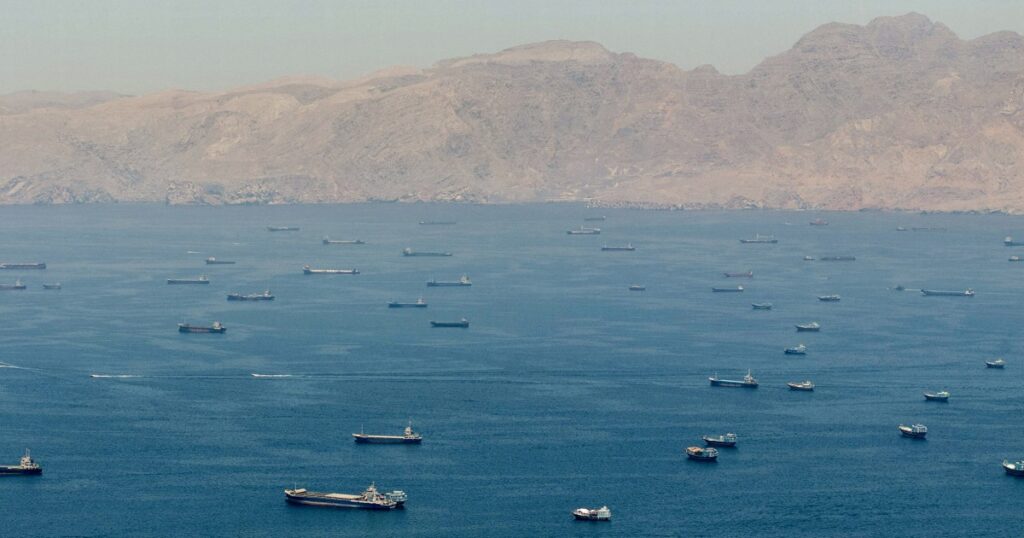
Table of Contents
A Cycle of Retaliation
The fragile ceasefire between the United States and Iran has effectively disintegrated following a series of tit-for-tat strikes that have placed the Persian Gulf on high alert. On Thursday, Iran launched a ballistic missile targeting a U.S. air base in Kuwait, a direct response to American kinetic operations carried out just hours earlier in the Iranian port city of Bandar Abbas.
Kuwaiti and American military officials confirmed that the missile was intercepted and shot down, resulting in no casualties or structural damage. However, the act signals a dangerous escalation in a three-month conflict that has already destabilized the region’s security architecture. According to the Iranian Revolutionary Guard, the strike was a measured retaliation against the specific U.S. facility responsible for the previous night’s attacks on Iranian soil.
Surgical Strikes and Drone Warfare
The catalyst for the latest flare-up occurred Wednesday night. U.S. Central Command (CENTCOM) reported that at 10:17 p.m. ET, American forces neutralized five one-way attack drones near the Strait of Hormuz. These assets, described by CENTCOM as posing a “clear threat” to both military personnel and commercial shipping, were targeted in and around Bandar Abbas.
Beyond the five downed aircraft, the U.S. military successfully neutralized an Iranian ground control site to prevent the launch of a sixth drone. While a U.S. official characterized these actions as limited and not a resumption of full-scale combat operations, Tehran has viewed the strikes as a blatant violation of sovereignty and a breach of the current ceasefire agreement. Esmail Baghaei, spokesman for the Iranian Foreign Ministry, condemned the “aggressive actions,” asserting that the Islamic Republic remains determined to defend its territorial integrity by any means necessary.
The Hormuz Chokehold
At the center of the geopolitical tension is the Strait of Hormuz, a narrow waterway through which roughly 20% of the world’s oil typically flows. Since late February, Iran has effectively restricted traffic in the strait, triggering a global economic shockwave. The resulting scarcity has spiked prices for oil, natural gas, and essential agricultural fertilizers, creating volatility in international markets.
President Donald Trump has taken a hardline stance on the waterway, declaring during a recent Cabinet meeting that no single entity will be permitted to control the strait. “The strait is going to be open to everybody,” Trump stated, emphasizing that the U.S. would not allow a strategic blockade to persist. His rhetoric extended to regional allies, including a pointed warning to Oman against any joint-control agreements with Tehran—a comment that has raised eyebrows among diplomats given the long-standing free trade relationship between Washington and Muscat.
The ‘Chicken and Egg’ Diplomacy
Despite the kinetic activity, a paradoxical diplomatic track continues in the background. A senior Arab official involved in the mediation efforts told NBC News that negotiators from both Washington and Tehran had actually reached an agreement on the terms of a truce three days ago in Doha, Qatar. However, the deal has not been formalized, with the official describing the current state of affairs as a “frustrating” game of chicken and egg.
Reports from Iranian state TV suggested a preliminary framework existed where the U.S. would lift its naval blockade and withdraw forces from perimeter zones in exchange for Tehran restoring shipping levels to pre-war volumes within 30 days. The White House has flatly rejected these reports, with President Trump dismissing the notion that Iran holds any leverage, claiming the regime is “negotiating on fumes.”
As the U.S. approaches midterm elections, Trump has dismissed suggestions that political timing is influencing his strategy. He maintained that the administration is operating on its own timeline, regardless of international economic pressure or domestic political cycles, leaving the region in a state of high-tension ambiguity.


