American Airlines Bets on Starlink for Airbus Fleet as SpaceX Preps for Historic IPO
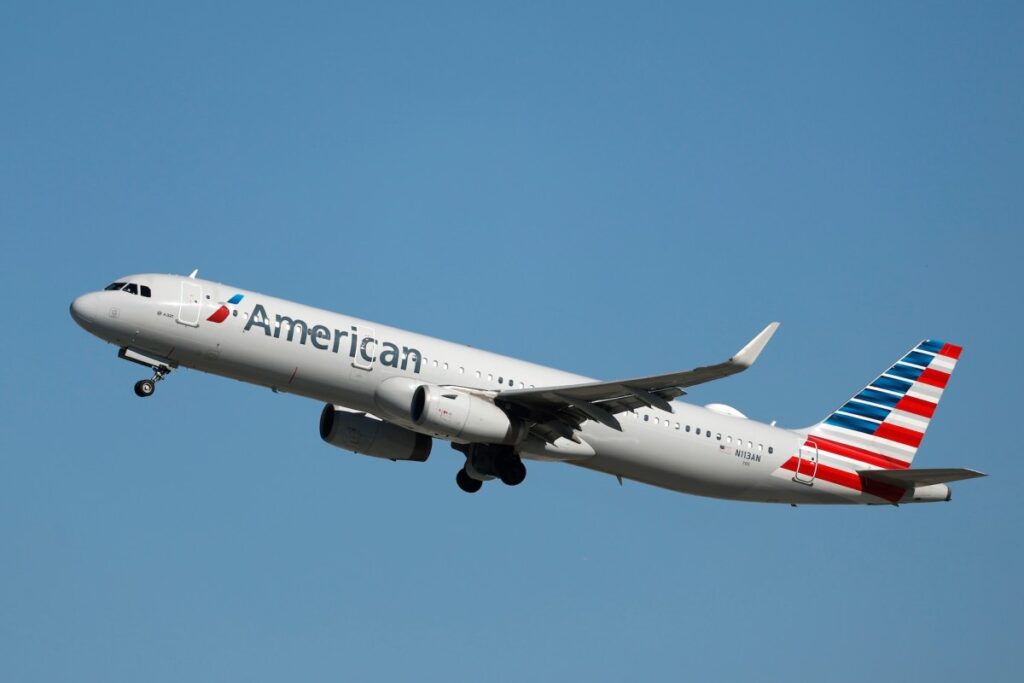
Table of Contents
A Pivot in the Skies
American Airlines is moving to overhaul its inflight connectivity, announcing plans to install Starlink hardware across more than 500 narrow-body Airbus aircraft. The rollout, scheduled to begin early next year, marks a significant shift for the carrier as it attempts to solve a long-standing passenger pain point: spotty, slow, and expensive airplane Wi-Fi.
The deal specifically targets the airline’s newer Airbus A321XLR and A320neo aircraft. Notably, the agreement does not extend to the company’s Boeing fleet, suggesting a phased approach or specific technical compatibility priorities for the initial rollout. By opting for SpaceX’s low Earth orbit (LEO) constellation, American Airlines is pivoting away from traditional geostationary satellites, which often struggle with latency and signal drops during high-speed transit.
The LEO Advantage and the Competitive Moat
Unlike legacy providers such as Viasat or Intelsat, which rely on satellites orbiting roughly 22,000 miles above Earth, Starlink operates a dense mesh of satellites just a few hundred miles up. This proximity drastically reduces latency, enabling activities that were previously impossible or frustrating on flights, such as seamless video conferencing, high-definition streaming, and real-time gaming.
For SpaceX, this contract is less about a single airline and more about establishing a dominant enterprise moat. The aviation sector has become a primary battleground for LEO providers. American Airlines joins a growing list of adopters, including United Airlines, Southwest, Qatar Airways, and the Lufthansa Group. This momentum creates a challenging environment for Amazon’s Project Kuiper, which is still working to deploy its own constellation at scale.
The strategic value here is twofold: it proves the scalability of Starlink’s aviation hardware and secures a recurring, high-margin revenue stream from one of the world’s largest airline operators. As carriers realize that high-speed internet is now viewed as a utility rather than a luxury, the pressure on legacy providers to innovate or exit the market intensifies.
Financial Optics and the IPO Horizon
The timing of this announcement is unlikely to be coincidental. Starlink is the only SpaceX business unit that generates meaningful, scalable revenue, serving as the financial engine for the company’s more ambitious and capital-intensive goals, such as the development of Starship and the colonization of Mars.
According to recent IPO registration filings, the aggressive pursuit of airline and cruise ship contracts is a core part of SpaceX’s strategy to diversify its income beyond government launch contracts. With a highly anticipated IPO projected for next month—which analysts suggest could be among the largest in history—the American Airlines deal serves as a powerful signal to potential investors. It demonstrates that Starlink is not just a consumer product for rural homes, but a viable enterprise-grade infrastructure play.
By locking in the major carriers, SpaceX is effectively capturing the “captured audience” market. When passengers experience the difference between Starlink and legacy Wi-Fi on an American Airlines flight, it creates a brand halo effect that encourages further consumer adoption of the residential service.
Technical Hurdles and Deployment
Integrating satellite terminals into aircraft is not without friction. Each installation requires precise modifications to the fuselage and rigorous safety certifications. The focus on the A321XLR and A320neo indicates that American is prioritizing its most efficient, modern narrow-body assets first. Whether this leads to a broader Boeing integration in the future remains unclear, but for now, the narrow-body Airbus fleet will serve as the litmus test for Starlink’s performance at scale within the American Airlines network.


