The Subscription Trap: Why the ‘Everything-as-a-Service’ Model is Finally Breaking
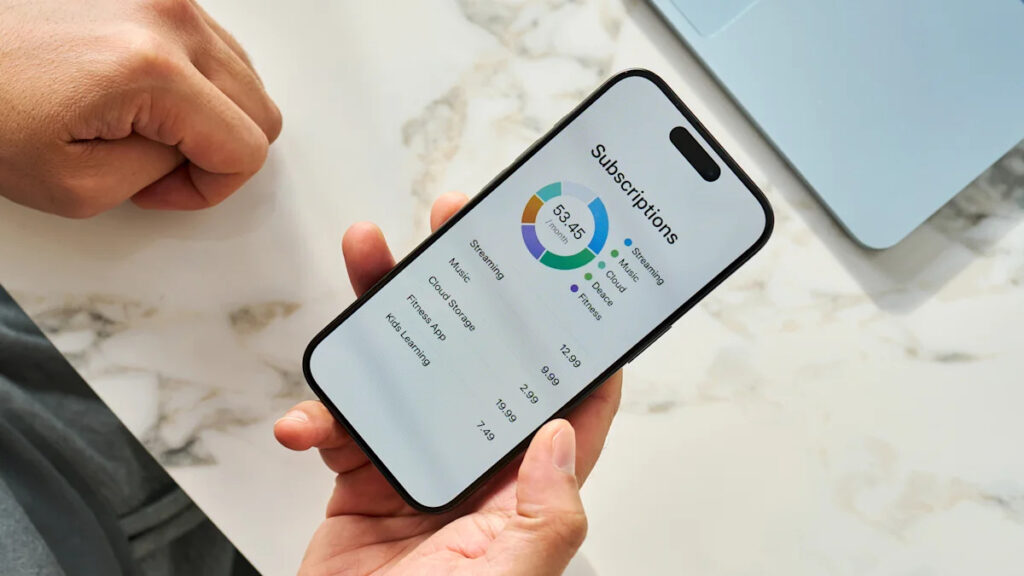
Table of Contents
The era of the ‘infinite bundle’ has hit a wall.
A decade ago, the transition from ownership to access felt like a victory for the consumer. Trading a stack of CDs for a Spotify account or a cable package for Netflix promised simplicity and cost-efficiency. But by 2026, that promise has mutated into what economists and tech analysts are calling ‘subscription fatigue.’ We aren’t just subscribing to software anymore; we are paying monthly tributes for everything from printer ink and fitness tracking to the very AI tools designed to save us time.
If you audit your Apple ID subscriptions or scroll through a digital bank statement, the pattern is glaring: a fragmented ecosystem of $9.99 and $14.99 charges that, individually, feel negligible, but collectively create a significant monthly leak. The industry has shifted from providing value to optimizing ‘churn’—the rate at which users cancel—often by making the cancellation process intentionally obtuse.
The Streaming Paradox
The ‘cord-cutting’ movement was sold as a way to save money, yet the result is a fragmented landscape where users often pay for five or six different platforms to access the same volume of content they once had in one package. With the aggressive introduction of ad-supported tiers across Netflix, Disney+, and Max, the value proposition has eroded. Consumers are now paying a premium for the privilege of watching commercials.
The emerging strategy among savvy users is ‘subscription rotating.’ Rather than maintaining a year-round footprint across every major streamer, users are treating these services like digital rentals—subscribing for a single month to binge a specific series and then immediately canceling. This shift in behavior is forcing platforms to rethink their retention strategies as the ‘passive income’ of forgotten subscriptions begins to dry up.
The AI Premium: Productivity or Placebo?
The most recent addition to the monthly bill is the AI layer. In 2025 and 2026, it became standard for power users to juggle paid tiers of ChatGPT, Claude, and Midjourney. While these tools offer genuine utility for developers and creators, for the average consumer, the $20/month price point is increasingly hard to justify when basic LLM capabilities are being integrated for free into operating systems via Apple Intelligence and Google Gemini.
When a tool that promises to ‘revolutionize productivity’ primarily spends its time polishing the tone of an email, the cost-benefit analysis shifts. We are seeing a correction where users are migrating back to free, open-source models or consolidated ecosystem tools rather than paying for three different AI ‘brains’ that largely overlap in functionality.
Hardware Tethering and the ‘SaaS-ification’ of Physical Goods
Perhaps the most frustrating trend is the expansion of Software-as-a-Service (SaaS) into physical hardware. Printer ink subscriptions are the poster child for this inefficiency, locking users into ecosystems for a task—printing—that is becoming increasingly rare. Similarly, the fitness industry has created a ‘subscription smoothie,’ where users pay for Strava, Peloton, and various sleep or meditation apps, only to find that their smartwatch already provides the same biometric data for free.
The market is beginning to reward companies that return to the ‘one-time purchase’ model. There is a growing appetite for hardware that works without a cloud handshake and software that doesn’t require a monthly credit card authorization to function. As the novelty of the subscription economy wears off, the most valuable feature a product can offer in 2026 is a simple ‘Buy’ button.


