Microsoft Doubles Down on Enterprise AI with New Surface Pro and Laptop Lineup
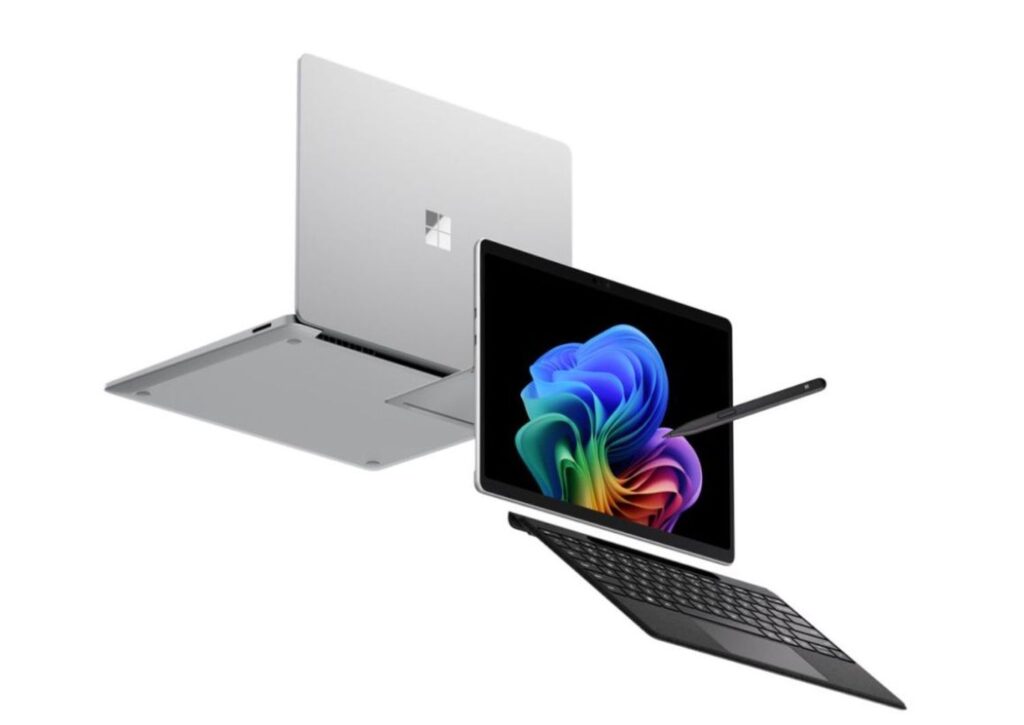
Table of Contents
The Shift Toward AI-Centric Hardware
Microsoft has quietly pivoted its Surface strategy to lean more heavily into the enterprise sector, unveiling a refreshed suite of hardware designed to act as the physical conduit for its Copilot AI ambitions. The new rollout includes the Surface Laptop in 13-inch, 13.8-inch, and 15-inch variants, alongside a refreshed 13-inch Surface Pro. While the chassis updates are incremental, the internal shift toward AI-ready silicon marks a clear attempt to move beyond the ‘tablet-laptop hybrid’ identity and into the high-performance business workstation market.
At the heart of this generation are Intel’s latest Core Ultra Series 3 processors. While the immediate launch focuses on Intel, the industry is closely watching for the Snapdragon X2-powered variants expected later this year. That transition to ARM-based architecture will be the real test for Microsoft, promising the kind of battery longevity and NPU (Neural Processing Unit) efficiency that Intel has struggled to match in the ultra-portable category.
Privacy and Haptics: The Enterprise Polish
The most notable functional additions land on the 13.8-inch and 15-inch Surface Laptops. Microsoft is introducing an integrated privacy screen on select configurations—a feature that allows users to instantly narrow viewing angles via software. For IT administrators managing fleets of devices in open-office environments or high-security sectors, the ability to toggle this remotely is a strategic addition that mirrors the privacy-screen trends seen in Samsung’s Galaxy ecosystem.
There is also a refined focus on the tactile experience. The larger Surface Laptops now feature redesigned trackpads with Windows 11 haptic feedback. Rather than a mechanical click, the system uses actuators to simulate tactile responses when snapping windows or dragging interface elements. It is a detail aimed at the premium executive market, attempting to close the gap with the haptic precision found in Apple’s MacBook Air and Pro lines.
The Ultraportable Angle
For those prioritizing mobility, the 13-inch Surface Laptop is positioned as the agility play. It arrives with Wi-Fi 7 support—essential for the next generation of corporate networking—and a removable Gen 4 SSD, a nod to the professional who needs to scale storage without replacing the entire unit. Pricing for the fully equipped model starts at $1,499, though a baseline 8 GB RAM model will be available for $1,299, notably omitting certain Copilot+ functionalities due to memory constraints.
Addressing the Right-to-Repair Gap
Perhaps the most significant editorial shift in Microsoft’s hardware philosophy is the move toward sustainability. The 13.8-inch and 15-inch Laptops, as well as the Surface Pro, now utilize 100% recycled aluminum chassis. More importantly, Microsoft is attempting to shake its reputation for ‘glued-shut’ hardware. By reducing the use of adhesives and simplifying internal layouts, the company claims that IT departments can now perform major component replacements using standard tools.
This move isn’t just about ecology; it’s about the total cost of ownership (TCO) for enterprise clients. A device that can be repaired in-house rather than shipped back to a depot is a major selling point for Fortune 500 procurement officers.
The Performance Trade-off
Despite the upgrades, the Surface Pro 13-inch feels like the most conservative update of the bunch, essentially serving as a vessel for the new Intel chips without inheriting the haptic trackpad improvements of its laptop siblings.
The pricing reflects the current volatility of the high-end PC market. Flagship business configurations, starting with the Intel Core Ultra 5 and 16 GB of RAM, are priced at $1,949. Microsoft justifies this premium by pointing to the increased cost of AI-optimized components and the expanded security layers integrated into the hardware.