The Silksong Silence: Why Team Cherry’s Sequel Has Become Gaming’s Greatest Mystery
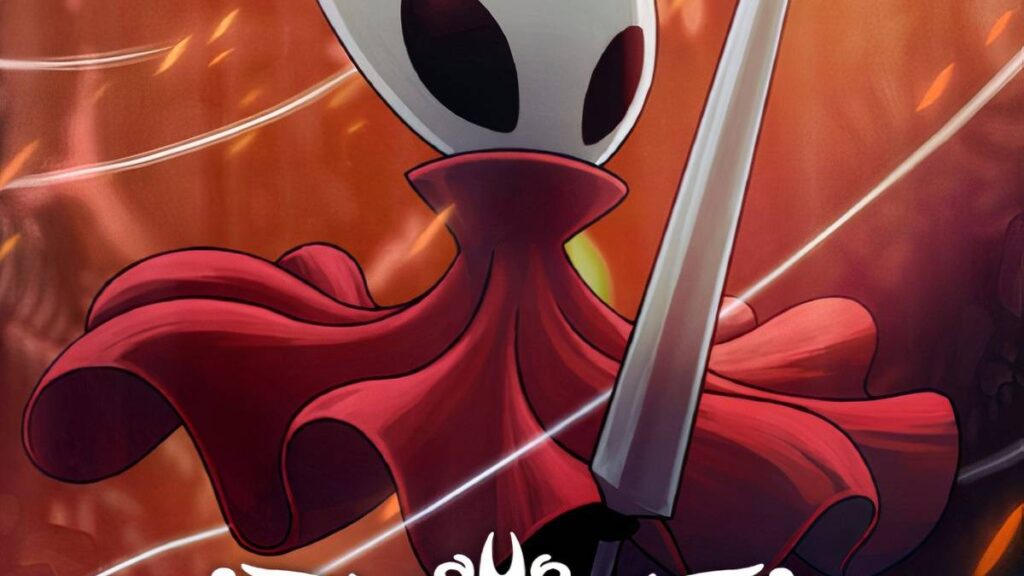
Table of Contents
The Longest Wait in Indie Gaming
In the world of independent game development, few titles have managed to cultivate a level of anticipation that borders on mythic. Hollow Knight: Silksong, the sequel to Team Cherry’s 2017 masterpiece, is no longer just a game; it is a case study in the volatility of modern hype cycles. Originally announced as a smaller DLC project to expand the original game, Silksong evolved into a full-scale sequel, shifting the perspective to Hornet, the lethal hunter and protector of Hallownest.
The silence from the Adelaide-based three-person team has become a defining characteristic of the game’s marketing. While most studios employ a steady drumbeat of “dev diaries” and social media teasers to maintain momentum, Team Cherry has largely vanished from the public eye, leaving a vacuum that fans have filled with frantic frame-by-frame analysis of every trailer and a desperate scouring of Steam database updates.
Expanding the Scope of the ‘Soulsvania’
From a technical standpoint, the shift from the Knight to Hornet isn’t merely a character swap. Hornet is faster, more agile, and possesses a completely different move set, which has forced Team Cherry to redesign the fundamental physics and encounter layouts of the game. Unlike the original Hollow Knight, which leaned heavily into a claustrophobic, descending exploration of a fallen kingdom, Silksong focuses on an ascent. Players are tasked with climbing toward the peak of a new, unfamiliar kingdom ruled by silk and song.
This change in trajectory—literally and figuratively—suggests a significant increase in scale. Early previews and trailers have showcased a vastly expanded array of tools, weapons, and quests. The game is expected to launch across a wide spectrum of hardware, including the PlayStation 5, Xbox Series X|S, PC, and the Nintendo Switch. There is also significant industry speculation regarding its positioning for the rumored Nintendo Switch 2, given the original’s massive success on the hybrid console.
The Game Pass Factor and Distribution
One of the few concrete pieces of information available is the game’s confirmation for Xbox Game Pass. This strategic move ensures a massive day-one install base, but it also adds a layer of complexity to the release window. For Microsoft, Silksong represents a high-value acquisition for their subscription service, potentially serving as a cornerstone title for an indie-focused push in the coming quarters.
However, the absence of a firm release date has led to a phenomenon known as “clown makeup” within the community—a recurring joke where fans pretend to be fooled by every minor event (like an Xbox showcase or a Nintendo Direct) that fails to deliver a date. This culture of anticipation is a double-edged sword; while it keeps the game relevant, it raises the bar for quality to an almost impossible level.
The Risks of Perfectionism
The delay of Silksong likely stems from a commitment to the “perfect release.” In an era where AAA titles frequently launch in broken states and are patched for years, Team Cherry’s approach is an anomaly. By refusing to announce a date until the game is truly finished, they avoid the inevitable cycle of delays and community backlash that plagued titles like Cyberpunk 2077.
Yet, for the industry, the Silksong saga highlights the immense pressure placed on small teams. Scaling a three-person operation to handle the expectations of millions is a precarious balancing act. Whether the game arrives in the coming months or takes another year, its eventual launch will be a litmus test for whether a game can actually survive—and thrive—after a period of silence that has lasted nearly half a decade.


