Poco Pad C1 Emerges as a Budget Tablet Play with Snapdragon 6s 4G Gen 2
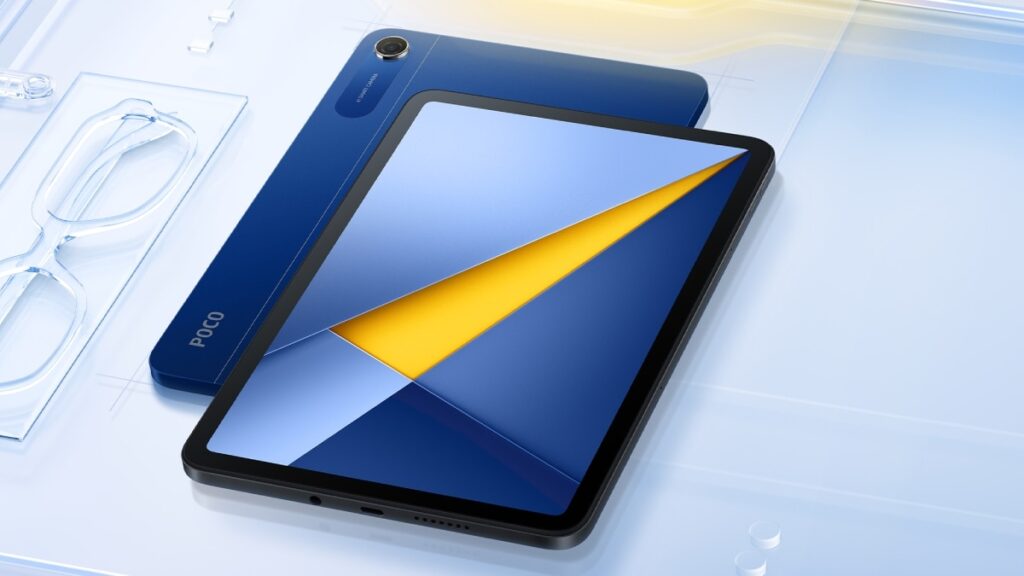
Table of Contents
A Strategic Shift Toward the Entry-Level
Poco has quietly expanded its ecosystem with the unveiling of the Poco Pad C1, a device that signals a clear intent to capture the budget-conscious tablet market. While Poco has traditionally focused on “flagship killer” smartphones, the Pad C1 is less about raw power and more about utilitarian endurance and media consumption.
The device is built around a 9.7-inch 2K display, a size that positions it comfortably between the overly portable 8-inch tablets and the more cumbersome 11-inch productivity slabs. More importantly, the screen supports a 120Hz refresh rate, a feature that has trickled down from high-end displays to entry-level hardware, ensuring that scrolling through social feeds and navigating Xiaomi HyperOS feels fluid despite the modest processing power.
Under the Hood: Balancing Performance and Power
Powering the Pad C1 is the Snapdragon 6s 4G Gen 2 chipset. For those tracking Qualcomm’s silicon roadmap, the “6s” designation suggests a refined, efficiency-first approach rather than a performance leap. By sticking to 4G connectivity, Poco is likely keeping the bill of materials low to maintain an aggressive price point, targeting users who primarily rely on Wi-Fi for their tablet experience.
Memory configurations are modest, with the device available in either a 4GB RAM and 64GB storage variant or a slightly more usable 6GB RAM and 128GB storage option. While these numbers might seem lean by 2024 standards, the inclusion of a microSD slot supporting up to 2TB of expandable storage mitigates the storage bottleneck for users who hoard movies or documents.
The standout specification, however, is the 7,600mAh battery. In a category where standby drain often plagues budget tablets, a cell of this size coupled with a mid-range 4G chip should theoretically provide multi-day longevity for light users. This is complemented by a metal unibody design, which not only aids in heat dissipation but gives the tablet a structural rigidity that is often missing from plastic-backed competitors in this price bracket.
The HyperOS Ecosystem Integration
Running on Xiaomi’s HyperOS, the Pad C1 is positioned as part of a larger interconnected ecosystem. The software layer focuses heavily on cross-device synergy, allowing users to potentially sync tasks between their Poco smartphones and the tablet. The inclusion of AI face unlock and stereo speakers further rounds out the media-centric appeal of the device.
However, the absence of pricing and regional availability remains a significant question mark. Based on the hardware choices—specifically the 4G-only chip and the RAM caps—it is highly probable that the Pad C1 will be priced to compete directly with Samsung’s A-series tablets and Lenovo’s Tab M line.
The Market Verdict
The Poco Pad C1 isn’t trying to replace a laptop, nor is it competing with the iPad Pro’s M-series chips. Instead, it fills a specific gap: a reliable, well-built screen for students, casual readers, and those needing a dedicated device for streaming that won’t break the bank. Whether the limited RAM will hinder the long-term viability of HyperOS on the base model remains to be seen, but the hardware-to-value ratio appears to be the primary driver here.


