DJI Osmo Pocket 4 doubles down on low light with a 1-inch sensor
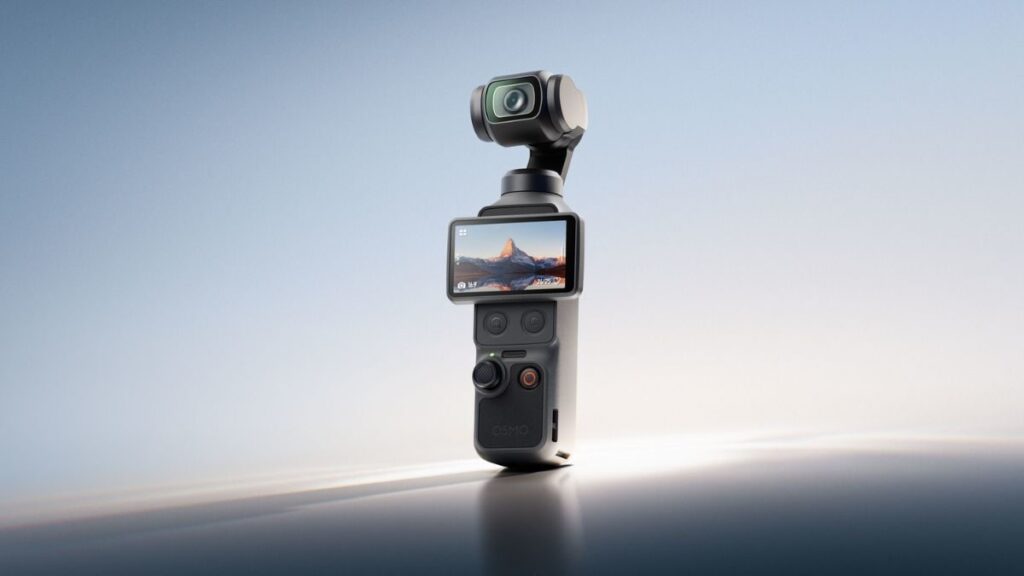
Table of Contents
A leap in sensor physics for the pocket-sized vlogger
For years, the DJI Osmo Pocket series has occupied a strange, successful niche: the intersection of a smartphone’s convenience and a professional gimbal’s stability. But with the launch of the Osmo Pocket 4, DJI is moving past simple stability and tackling the primary weakness of small-form cameras—light intake.
The centerpiece of the new hardware is the transition to a 1-inch CMOS sensor. While a 1-inch sensor may sound incremental to the casual observer, in the world of compact optics, it is a massive shift. By increasing the surface area of the sensor, DJI is effectively reducing the noise levels and crushing the shadows that often plague small-sensor cameras in dim environments. For creators who frequently transition from bright outdoor settings to moody indoor lighting, this change eliminates the grainy, “digital” look that often forced vloggers to carry expensive external lighting rigs.
This hardware jump allows for a more natural depth of field and better dynamic range, pushing the Pocket 4 closer to the performance of dedicated mirrorless setups, all while fitting in a jacket pocket.
Refining the mechanical balance
Beyond the sensor, DJI has overhauled the 3-axis gimbal stabilization. The mechanical movement feels more fluid, designed to handle more aggressive panning and tilting without the “stutter” sometimes seen in the Pocket 3’s rapid movements. The company hasn’t just relied on the motors; there is a tighter integration between the hardware gimbal and the internal electronic image stabilization (EIS), resulting in a look that feels more cinematic and less like a stabilized action cam.
The AI-driven tracking has also received an update. The device now maintains a tighter lock on subjects even when they briefly move behind obstacles—a common pain point for solo creators who don’t have a dedicated camera operator. This “active tracking” is now powered by an updated chipset that processes spatial data more efficiently, reducing the lag between the subject’s movement and the gimbal’s response.
The bundle strategy and pricing
DJI continues its trend of offering a tiered entry point. In Europe, the Standard Combo starts at €499, providing the core camera and basic accessories. However, the real value proposition lies in the Creator Combo, priced at €619.
The Creator Combo isn’t just a bundle of plastic accessories; it introduces the DJI Mic 3 Transmitter. Given that audio is often the most overlooked aspect of vlogging, the integration of the Mic 3 allows for a seamless, wireless audio pipeline that doesn’t require cumbersome adapters. The bundle also includes a fill light to augment the new sensor’s low-light capabilities, a wide-angle lens for expansive architecture or landscape shots, and the Osmo Mini tripod for static setups.
Technical Specifications Breakdown
| Feature | Osmo Pocket 4 | Previous Generation (Pocket 3) |
|---|---|---|
| Sensor Size | 1-inch CMOS | 1-inch CMOS (Refined) |
| Audio Integration | DJI Mic 3 Support | DJI Mic 2 Support |
| Standard Price (EU) | €499 | €539 (at launch) |
| Tracking | AI-Enhanced ActiveTrack | Standard ActiveTrack |
While the sensor size remains a headline, the true victory for the Pocket 4 is the refinement of the ecosystem. DJI isn’t just selling a camera; they are selling a streamlined production workflow. By pairing a high-end sensor with the Mic 3 and improved AI, they have effectively removed the technical barriers that usually make high-quality video production a chore.


