TechCrunch Extends Startup Battlefield 2026 Deadline: What Early-Stage Founders Need to Know
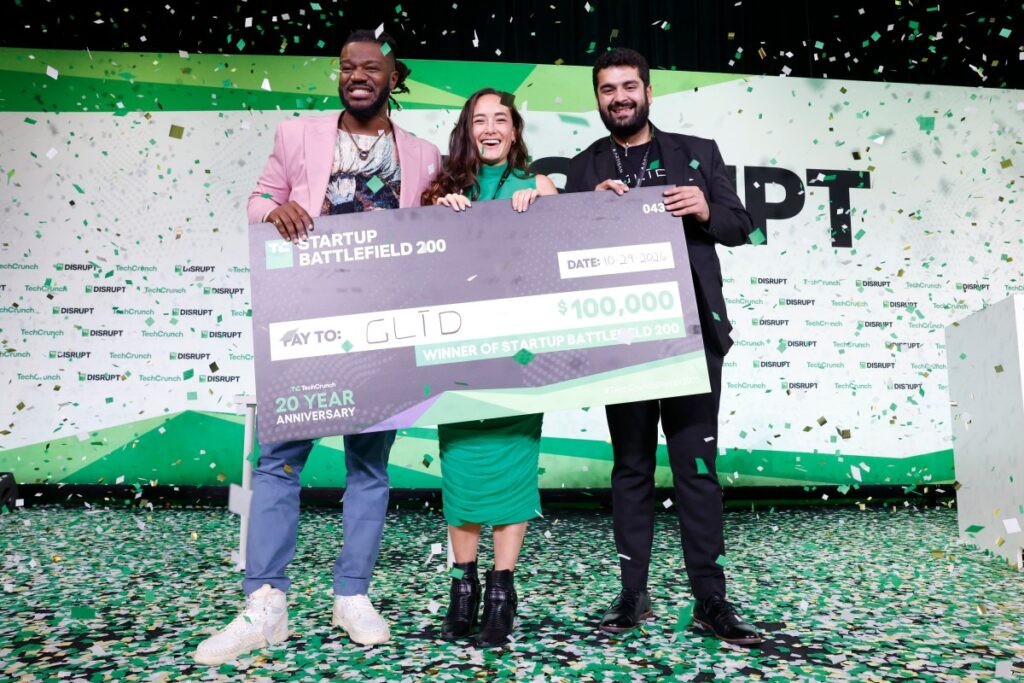
Table of Contents
The Deadline Shift for TechCrunch’s Premier Launchpad
TechCrunch has officially extended the application window for Startup Battlefield 2026, pushing the final deadline to June 8. The move comes as the competition for a spot in the coveted ‘Battlefield 200’ intensifies ahead of the annual TechCrunch Disrupt event, scheduled for October 13-15 in San Francisco.
For founders, the Battlefield is less of a traditional contest and more of a high-visibility gateway. Historically, the program has acted as a springboard for companies that eventually became industry pillars, including giants like Cloudflare and Discord. However, a common hurdle for applicants is the ‘readiness paradox’: many of the most promising founders often hesitate to apply, believing their venture is too early or lacks sufficient traction.
Defining ‘Promising’ Over ‘Polished’
According to the program’s leadership, the selection committee is not searching for the most polished presentation, but rather the most disruptive potential. The core metric for evaluation is whether a product represents a genuine shift in industry dynamics rather than an incremental improvement on an existing service.
This distinction is critical for applicants. The editorial and scouting teams are prioritizing ‘category-defining’ ideas—technologies that render current solutions obsolete. This means that while a working Minimum Viable Product (MVP) is non-negotiable, the program is explicitly open to pre-launch companies. Revenue and a sprawling customer list are not prerequisites; a functional demonstration of the core technology is.
The Anatomy of a Winning Application
To navigate the application process successfully, founders are encouraged to move away from corporate jargon and focus on three specific pillars: technical proof, market honesty, and the founder’s narrative.
The Proof of Concept: The single most impactful element of an application is the demonstration of the product in action. Selection judges have expressed a strong preference for raw, real-time screen recordings or rough demos over high-production explainer videos or static mockups. The goal is to verify that the technology actually works, regardless of how unrefined the UI may be.
The Competitive Landscape: A frequent mistake among applicants is claiming to have no competitors. In the eyes of the reviewers, this is often interpreted as a lack of market research rather than a unique value proposition. Effective applications explicitly name competitors and provide a precise, technical explanation of why their specific approach wins.
The Founder’s ‘Why’: Beyond market size and TAM (Total Addressable Market) slides, the program places significant weight on the origin story. Conviction and a clear articulation of why the founding team is uniquely positioned to solve the problem are key differentiators in a sea of similar technical pitches.
Accessibility and Diversity in the Cohort
The Startup Battlefield 200 is designed as a global cohort. The program actively scouts for founders in underserved geographies and niche verticals to ensure the Disrupt stage reflects the global nature of emerging tech. This inclusivity extends to funding stages; while bootstrapped, pre-seed, and seed companies are the primary targets, Series A companies are considered on a case-by-case basis, particularly those in capital-intensive sectors where funding timelines differ from standard Silicon Valley norms.
For those who have applied in previous years and were rejected, the program emphasizes that a prior denial is not an indicator of future failure. Many current Battlefield companies are repeat applicants who evolved their product or narrative before eventually securing a spot.
As the June 8 deadline approaches, founders who have already submitted can resubmit their applications to refine their pitch, though direct editing of submitted forms is not permitted. For deeper insights into the expectations of tier-one investors and judges, TechCrunch points founders toward its Build Mode podcast, which features breakouts from previous Battlefield alumni like Forethought AI and Glīd.


