Samsung’s $2,000 Galaxy Fold Faces Early Durability Crisis as Reviewer Screens Fail
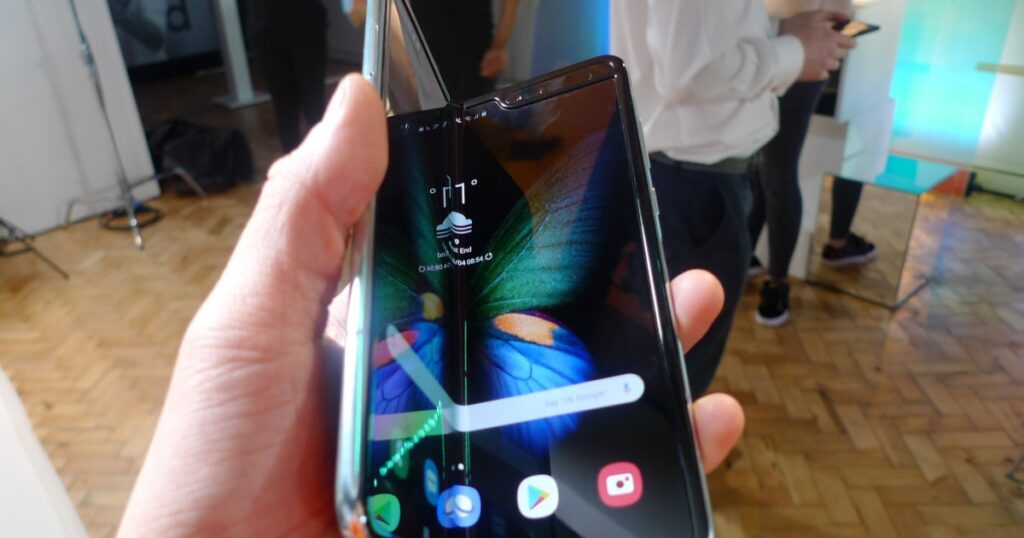
Table of Contents
A Costly Beginning for Foldable Innovation
Samsung’s ambitious foray into the foldable market is hitting a premature snag. The Galaxy Fold, a device retailing for a staggering $1,980 in the U.S., is seeing critical hardware failures among the very journalists tasked with reviewing it before the general public gets their hands on the hardware.
Reports from early testers indicate a troubling pattern: screens flickering, turning black, and eventually failing entirely within just 48 hours of use. For a device positioned as a luxury productivity tool, these failures are not merely glitches but catastrophic hardware breakdowns that render the phone completely unusable.
The Protector Controversy
In the wake of the initial reports, a point of contention has emerged regarding the device’s thin, factory-applied protective layer. Some journalists admitted to removing this film, assuming it was a standard shipping protector intended to be peeled off upon unboxing. Samsung has since clarified that this layer is an integral part of the display’s structural integrity and must remain in place to prevent scratches and potential damage.
However, that explanation fails to account for all the failures. High-profile reports from The Verge and CNBC confirm that screens failed even when the protective layer was left undisturbed. A video shared by CNBC reporter Todd Haselton demonstrates a stark failure: the left side of the inner display flashes intermittently while the right side remains entirely unresponsive, effectively killing the device’s primary utility.
Engineering Claims vs. Real-World Stress
Samsung has leaned heavily on its laboratory testing to justify the Fold’s premium price tag. The company claims the hinge and display can withstand 200,000 folds—roughly 100 opens and closes per day for five years. While these numbers look impressive on a spec sheet, the current wave of failures suggests a gap between controlled lab environments and the unpredictable nature of real-world usage.
The device attempts to bridge the gap between a standard smartphone and a small tablet, featuring a bisected screen with a visible crease when unfolded. This complexity introduces more points of failure than a traditional slab phone, and for users paying nearly $2,000, the tolerance for such instability is virtually zero.
Echoes of the Note 7 Disaster
For Samsung, these reports are more than just a product hurdle; they are a brand risk. The company is still haunted by the 2016 Galaxy Note 7 rollout, where batteries spontaneously combusted, leading to a global recall and billions in lost revenue. While a flickering screen is less dangerous than a battery fire, the pattern of a rushed, high-profile launch plagued by hardware defects is a narrative Samsung desperately wants to avoid.
In a statement addressing the situation, Samsung acknowledged the reports and stated it would “thoroughly inspect these units in person to determine the cause of the matter.” The company is now tasked with proving that these are isolated incidents rather than a systemic flaw in the folding OLED technology.
With the U.S. launch set for April 26, the clock is ticking for Samsung to convince consumers that the Galaxy Fold is a stable piece of technology rather than an expensive, fragile prototype.


