Polaroid Turns Factory Waste Into ‘Psychedelic’ Purple Film
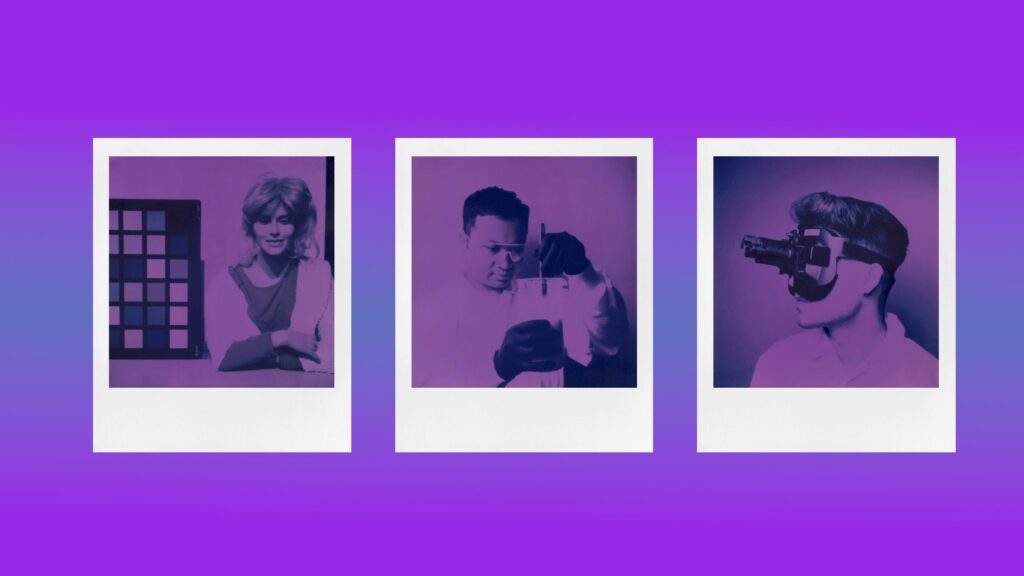
Table of Contents
Alchemy in the Netherlands
Polaroid is leaning into the unpredictability of chemical waste, transforming industrial leftovers into a new aesthetic tool. The company has announced the release of Polaroid Purple 600 Film, a limited-edition run that turns reclaimed materials from its sole remaining production facility in the Netherlands into a distinct, psychedelic purple cast.
The release is the latest installment in the “Reclaimed” series, a project that essentially functions as a public gallery for the internal experiments of Polaroid’s chemists. By repurposing chemicals that would otherwise be discarded, the company is bridging the gap between industrial sustainability and avant-garde photography. This isn’t a calculated corporate rebranding of “green” initiatives; it’s a literal application of waste-stream chemistry to create a product that would be impossible to mass-produce with standard quality control.
The specific visual profile of the Purple 600 is the result of a precise, if accidental, concoction. According to the company, the hue is achieved by mixing Acid Red dye with the existing Blue 600 chemistry used in previous iterations of the series. The result is an image that Polaroid describes as “dreamlike,” pushing the boundaries of how instant film handles color saturation and light.
The Mechanics of Reclaimed Chemistry
For the uninitiated, instant film is a volatile cocktail of silver halides and developing agents. When a photo is ejected from the camera, the pods of reagent are crushed, and the chemicals react with the light-sensitive layers. In the Reclaimed series, the deviations in these chemical ratios create shifted color balances—turning the standard white and neutral tones of a photo into deep violets and magentas.
This release follows the precedent set by the Reclaimed Blue 600 and Reclaimed Green 600 films. Each of those runs focused on a specific chemical surplus, offering photographers a way to achieve a monochromatic or heavily tinted look without the need for post-processing software or physical filters.
Because these films rely on the availability of specific leftover materials, they are inherently finite. Polaroid has not disclosed the total number of packs available, which adds a layer of scarcity to the release. This “batch-based” production model mirrors the artisanal approach of specialty film labs rather than the rigid output of traditional consumer electronics.
Compatibility and Access
The Purple 600 is designed for the standard 600-type format, meaning it is compatible with the majority of the company’s current hardware. Users of the Polaroid Now, Now+, and the high-end I-2 can utilize the film, as can those using the Polaroid Lab for digitizing analog prints.
Pricing reflects the experimental nature of the product, retailing at $18.99 (though some promotional pricing may bring it down to $16.99) for a single pack containing eight exposures. Initially launched as a Member Exclusive for the company’s online community, the film has since expanded to select retail partners, including B&H in the United States.
A Shift Toward Analog Experimentation
The success of the Reclaimed series signals a broader trend in the photography world: a move away from perfection. In an era of AI-generated imagery and hyper-processed smartphone photos, the appeal of the Purple 600 lies in its instability. The fact that the film is made from “waste” gives it a narrative weight that standard i-Type film lacks.
By turning the factory’s byproduct into a feature, Polaroid is effectively gamifying the chemical process. For artists and hobbyists, the attraction isn’t just the color, but the knowledge that the chemical composition of their image is a one-time occurrence in a factory in the Netherlands, making every single shot a unique artifact of industrial history.


