Microsoft Bets on Enterprise AI with New Surface Pro and Laptop Refresh
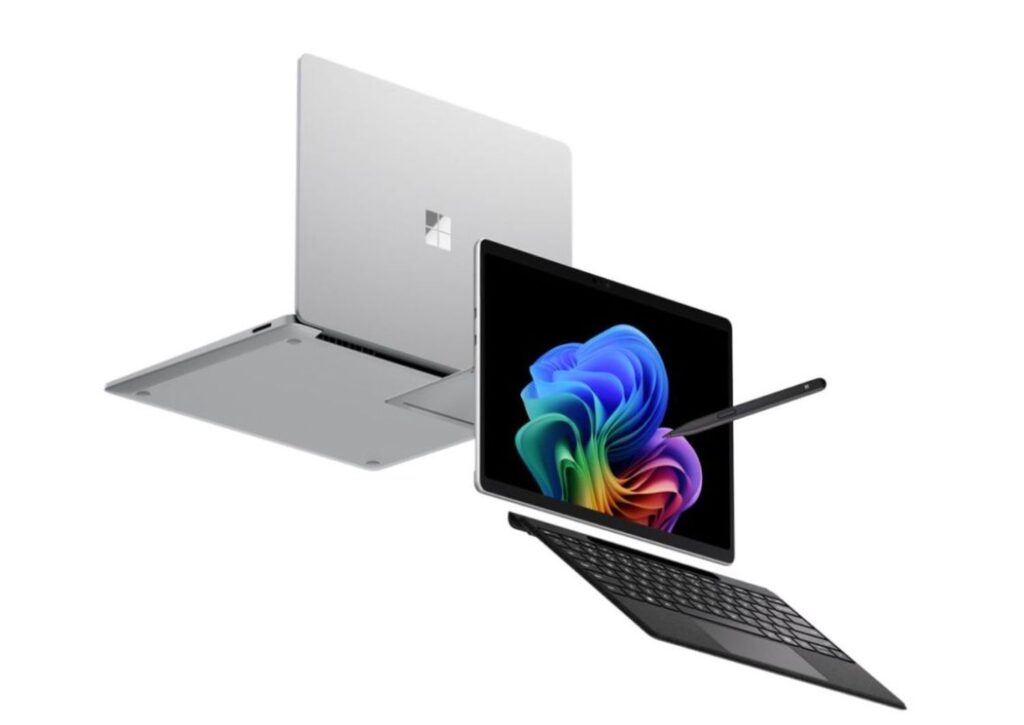
Table of Contents
A Shift Toward Sustainable Enterprise Hardware
Microsoft is pivoting its Surface strategy toward the corporate boardroom and the IT department’s workbench. The company has officially unveiled a refreshed lineup of Surface devices tailored for business users, including new iterations of the Surface Laptop in 13-inch, 13.8-inch, and 15-inch configurations, alongside a refreshed 13-inch Surface Pro.
While the aesthetic remains quintessentially Surface, the internal philosophy has shifted. In a move that acknowledges the growing pressure from both regulators and corporate sustainability mandates, Microsoft is leaning heavily into repairability. The chassis of the 13.8-inch and 15-inch Laptops, as well as the Surface Pro, are now constructed from 100% recycled aluminum. More importantly, Microsoft has reduced the use of adhesives and streamlined internal layouts, allowing IT departments to replace major components using standard tools—a significant departure from the virtually sealed units of the past.
The Silicon Strategy: Intel Now, Snapdragon Later
Under the hood, the current rollout is powered by Intel’s latest Core Ultra Series 3 processors. This choice ensures broad compatibility with legacy enterprise software and stable driver support for corporate deployments. However, the real story is what’s missing: the Snapdragon X2 chips. Microsoft has confirmed that ARM-powered variants will arrive later this year, targeting users who prioritize extreme battery longevity and localized AI acceleration over x86 compatibility.
The current Intel-based hardware is positioned as the “workhorse” phase of the rollout, designed to handle data-heavy multitasking and content creation. The pricing reflects this premium positioning, with flagship business configurations starting at $1,949 for models equipped with Intel Core Ultra 5 processors and 16 GB of RAM. Microsoft has attributed this price hike to the rising cost of AI-capable components and the expanded NPU (Neural Processing Unit) capabilities integrated into the silicon.
Refining the User Interface: Haptics and Privacy
The 13.8-inch and 15-inch Surface Laptops receive the most tangible upgrades. Most notable is the introduction of a software-controllable integrated privacy screen. Unlike physical privacy filters that permanently dull the display, this system allows users—or remote IT administrators—to narrow viewing angles instantly, preventing “visual hacking” in open offices or on flights.
The tactile experience has also been overhauled. The larger Laptops now feature trackpads with advanced haptic feedback. This isn’t just a vibration motor; the trackpads provide specific tactile cues when users snap windows or align interface elements in Windows 11, bringing the Surface closer to the haptic precision found in the MacBook Pro lineup.
The 15-inch model specifically boasts a higher-resolution panel, though it remains an LCD for the business launch. Rumors of OLED variants persist, and these are expected to hit the consumer market later this summer.
The Ultraportable and the Tablet
For those prioritizing mobility, the 13-inch Surface Laptop serves as the entry point. It introduces Wi-Fi 7 support and a removable Gen 4 SSD, further cementing the repairability narrative. Interestingly, Microsoft is offering a tiered entry point here: a fully equipped variant at $1,499, and a leaner 8 GB RAM model priced at $1,299. However, buyers should note that the 8 GB model lacks certain Copilot+ functionalities, highlighting Microsoft’s insistence that 16 GB of RAM is the new baseline for a productive AI experience.
The Surface Pro 13-inch is the most conservative update of the group. While it benefits from the Core Ultra chip refresh, it misses out on the new haptic trackpad found in its laptop siblings, remaining a streamlined, processor-first update to the existing form factor.