NYC’s New ‘Pied-à-Terre’ Tax Targets Ultra-Wealthy, Triggering a Clash With Citadel’s Ken Griffin
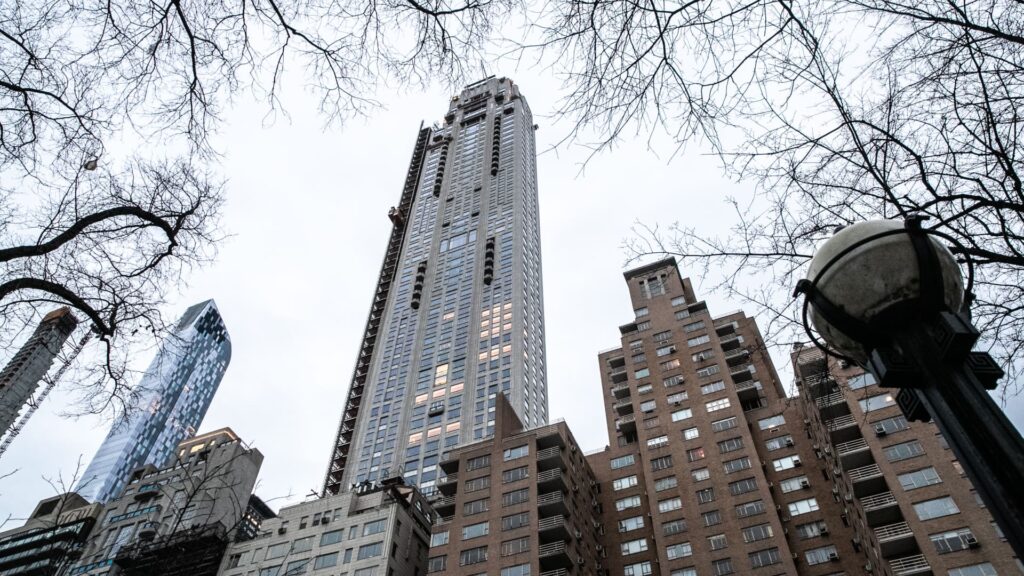
Table of Contents
A Direct Hit on Non-Primary Residences
New York City is taking a calculated swing at the ultra-wealthy to plug a persistent budget gap. State lawmakers have passed a targeted tax on non-primary residences—commonly referred to as the ‘pied-à-terre tax’—specifically aiming at luxury condos and co-ops valued at $1 million or more. The measure, designed to generate an estimated $500 million in revenue, creates a new financial hurdle for the global elite who maintain seasonal or secondary footprints in Manhattan.
The implementation is not immediate, nor is it simple. The city has opted for a two-phase rollout that reveals the deep-seated dysfunction of New York’s current property assessment system. For the 2026-2027 and 2027-2028 tax years, the city will rely on existing Department of Finance valuations. Under this initial phase, properties valued between $1 million and $3 million will face a 4% annual tax, while those exceeding $5 million will be hit with a 6.5% rate.
The Valuation Gap and the 2028 Pivot
To the casual observer, a 6.5% tax rate sounds catastrophic for a luxury homeowner. However, the reality is tempered by an antiquated valuation system that has long served as a quiet subsidy for the rich. Tax experts note that city valuations often represent a mere fraction—sometimes less than 10%—of the actual market value of these trophy assets.
This discrepancy is the catalyst for the second phase of the plan. Starting in the 2028-2029 tax year, the city will pivot to valuations based on comparable sales, effectively syncing tax assessments with real-world market prices. To prevent a total exodus of luxury capital, the city will simultaneously lower the tax rates. Properties valued between $5 million and $15 million will see the rate drop to 0.8%, while those over $25 million will be taxed at 1.3%. While the percentages are lower, the taxable base will be exponentially higher, resulting in a net increase in tax liability for most owners.
The Face of the Resistance: Ken Griffin
The policy has already found a high-profile antagonist in Ken Griffin, the billionaire founder and CEO of Citadel. The conflict turned personal when New York City Mayor Zohran Mamdani filmed a video announcement in front of Griffin’s penthouse, effectively making the hedge fund titan the poster child for the tax’s intent. Griffin, a tax resident of Florida, has responded with a warning: the aggressive targeting of the wealthy could jeopardize future business investments and job growth within the city.
The math for Griffin is stark. In 2019, he purchased a 24,000-square-foot penthouse at 220 Central Park South for $238 million. Despite this price tag, city records currently value the apartment at just $15.5 million. For the 2026-2027 cycle, his bill is estimated at $858,332. Under the first phase of the new tax, that figure is expected to jump to $1.87 million. Once the valuation adjustments kick in for 2028, that single property’s tax bill could soar to nearly $4 million.
When factoring in Griffin’s other Manhattan holdings—including two apartments at 740 Park Avenue acquired for $83 million—his total annual property tax burden in New York could exceed $5 million. This represents a staggering increase from his previous obligations, highlighting the exact ‘sticker shock’ that real estate brokers fear will deter ultra-high-net-worth individuals from investing in the city.
Market Implications and Professional Pushback
While City Hall frames the move as a necessary step for fiscal stability, the legal and real estate communities are sounding alarms. Robert Pollack, a property tax attorney with Marcus and Pollack LLP, describes the structure as “incredibly complicated,” suggesting that the complexity itself may lead to a wave of litigation as owners challenge the new valuation methods.
The tension reflects a broader ideological struggle in New York: the need to fund public services versus the desire to remain an attractive hub for the global financial elite. For brokers, the concern is not just the cost, but the perception of volatility. When a city transforms a residence into a political battleground, the perceived risk for international buyers increases, potentially cooling the luxury market even as the city seeks to profit from it.