Fueling Inflation: How Geopolitical Instability is Redrawing the U.S. Energy Map
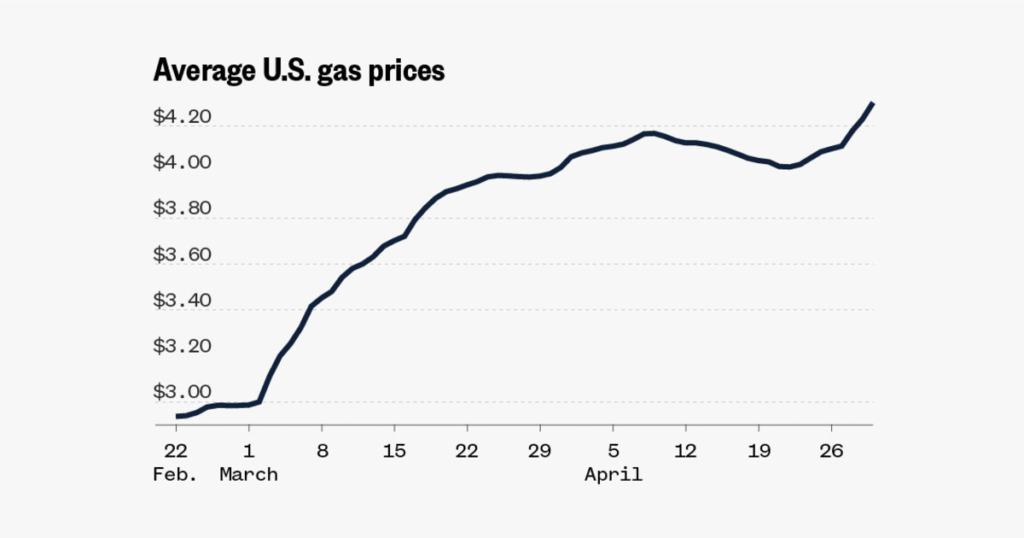
Table of Contents
The Volatility of the Pump
The American commute has become an increasingly expensive endeavor as geopolitical friction in the Middle East translates directly into cost-per-gallon spikes. Following the escalation of hostilities involving the U.S., Israel, and Iran, the national average for gasoline has climbed to nearly $4.50 per gallon. According to the latest data from the American Automobile Association (AAA), this represents a staggering 50% increase since the conflict began, placing a severe strain on household budgets that were already grappling with multi-year inflationary pressures.
The surge isn’t just a matter of speculative trading on Wall Street; it is a physical manifestation of a constricting global oil supply. When key transit corridors in the Middle East face threats of closure or disruption, the global energy market reacts with immediate volatility. For the average driver, this volatility is felt in the rapid oscillations of digital price boards at local stations.
Regional Disparities and the $6 Threshold
While the national average provides a broad snapshot, the actual cost of fueling a vehicle varies wildly depending on geography. The West Coast and Pacific Northwest are bearing the brunt of the crisis. In California, prices have officially eclipsed the $6 per gallon mark, the highest recorded level in the nation. This creates a stark economic divide when compared to the Midwest, where consumers continue to see the lowest rates in the country.
Six states—Alaska, Hawaii, Illinois, Nevada, Oregon, and Washington—are now seeing averages hover near the $5 mark. These regional spikes are often compounded by state-specific taxes and the logistical hurdles of transporting fuel to remote or coastal hubs, meaning these residents are feeling a double-hit of global instability and local infrastructure inefficiency.
Beyond the Commute: The Jet Fuel Ripple Effect
The crisis extends far beyond passenger cars. The surge in crude oil prices has pushed jet fuel costs to critical levels, triggering a domino effect across the aviation industry. Airlines, which operate on notoriously thin margins, have begun passing these costs directly to consumers through increased airfares and fuel surcharges.
The impact is most visible among ultra-low-cost carriers. Spirit Airlines, which relies on a high-volume, low-cost model, has been forced to make drastic operational changes, including shuttering certain routes and adjusting its fleet strategy to survive the overhead spike. This suggests that the energy crisis is not merely a temporary inconvenience for drivers, but a structural threat to the budget travel sector.
The Ceiling of Speculation
Market analysts had initially predicted a downward trend beginning in April, following a brief window where a ceasefire announcement led to a dip in oil futures. However, that optimism proved short-lived. As the ceasefire was extended and then questioned, prices did not just recover; they shot up to new highs, erasing weeks of gradual decline in a matter of days.
This “see-saw” pattern indicates that the market is currently driven more by geopolitical headlines than by actual consumption data. Until there is a stable diplomatic resolution or a significant increase in non-OPEC production, the price at the pump will likely remain a hostage to the diplomatic tensions between Washington, Tel Aviv, and Tehran.