Asus Brings Snapdragon X to the Desktop with New VM441 All-in-One
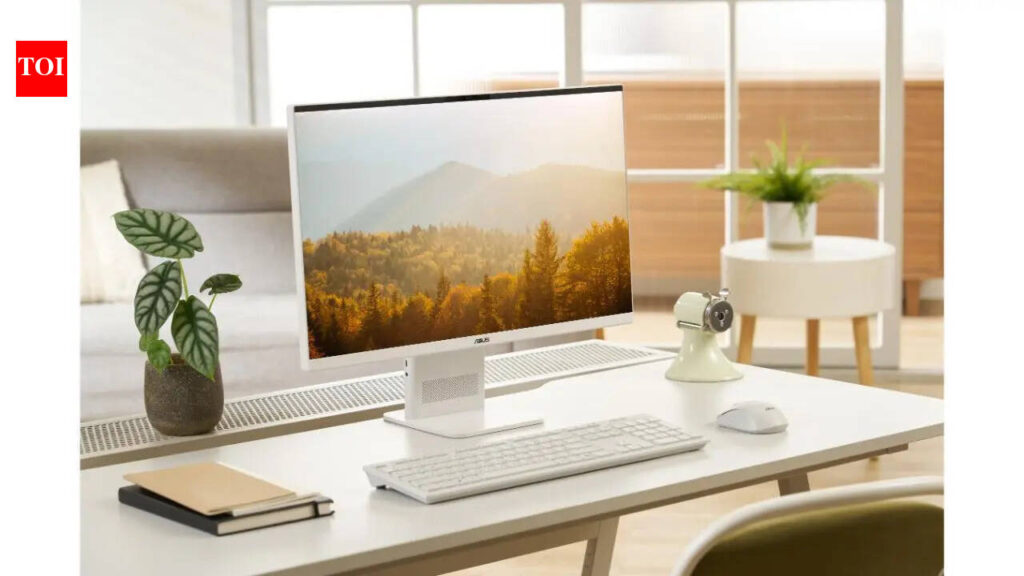
Table of Contents
A Shift in Desktop Architecture
Asus is betting on ARM architecture for the home office with the launch of the VM441 All-in-One (AiO) in India. While the industry has seen a flurry of Snapdragon X Elite and Plus laptops designed for mobility and battery life, the VM441 represents a rarer move: bringing that efficiency and NPU-driven performance to a stationary, all-in-one form factor.
Starting at Rs 1,01,990, the VM441 is positioned as a productivity hub for users who want the “AI PC” experience without the bulk of a traditional tower or the constraints of a laptop screen. By integrating the Snapdragon X processor, Asus is attempting to bridge the gap between the instant-on responsiveness of a tablet and the screen real estate of a professional workstation.
Hardware and Display Specifications
The centerpiece of the VM441 is its 24-inch Full HD touchscreen. In a market where 4K has become the standard for high-end AiOs, the 1080p resolution here suggests a focus on utility and power efficiency rather than high-end creative production. The touchscreen integration allows for a more fluid interface, particularly for Windows 11’s emerging AI-driven multitasking features.
Under the hood, the Snapdragon X processor provides a dedicated Neural Processing Unit (NPU), which is critical for handling on-device AI tasks—such as background noise cancellation and live captions—without taxing the CPU or GPU. Storage is configurable up to 1TB, providing ample room for local files, though the real story remains the shift in chip architecture. Moving away from x86 (Intel/AMD) allows the VM441 to maintain a much slimmer profile with significantly less thermal throttling, as ARM chips generally generate less heat during standard operation.
The ARM Compatibility Hurdle
Despite the sleek design and promising AI specs, the VM441 enters a market where software compatibility remains a talking point. While Microsoft has made strides with Prism—the translation layer that allows x86 apps to run on ARM—users may still encounter friction with specialized legacy software or high-end gaming titles that lack native ARM support.
However, for the target demographic—remote workers, students, and general home users—the trade-off is likely negligible. Most productivity suites, including the bundled Microsoft Office, run natively and benefit from the efficiency of the Qualcomm silicon. The integration of the NPU means that as Microsoft rolls out more Copilot+ features, the VM441 is better equipped to handle them locally than older Intel-based AiOs.
Market Positioning in India
At a starting price of Rs 1,01,990, Asus is placing the VM441 in the premium mid-range category. It isn’t trying to undercut budget desktops; instead, it’s competing with the likes of the iMac and high-end HP Pavilion AiOs. The appeal here is the convergence of aesthetics and intelligence. By offering a device that is essentially a massive tablet with a stand, Asus is catering to a growing segment of users who prefer a clean, cable-free desk environment but require more horsepower than a Chromebook can provide.
The launch also signals a broader strategy from Asus to diversify its silicon partnerships. After years of reliance on Intel and AMD, the pivot toward Qualcomm for desktop-class hardware suggests that the industry is finally reaching a tipping point where ARM is no longer just for smartphones and thin-and-light laptops.