The Witcher 3’s Legacy: How CD Projekt Red Redefined the Open-World RPG
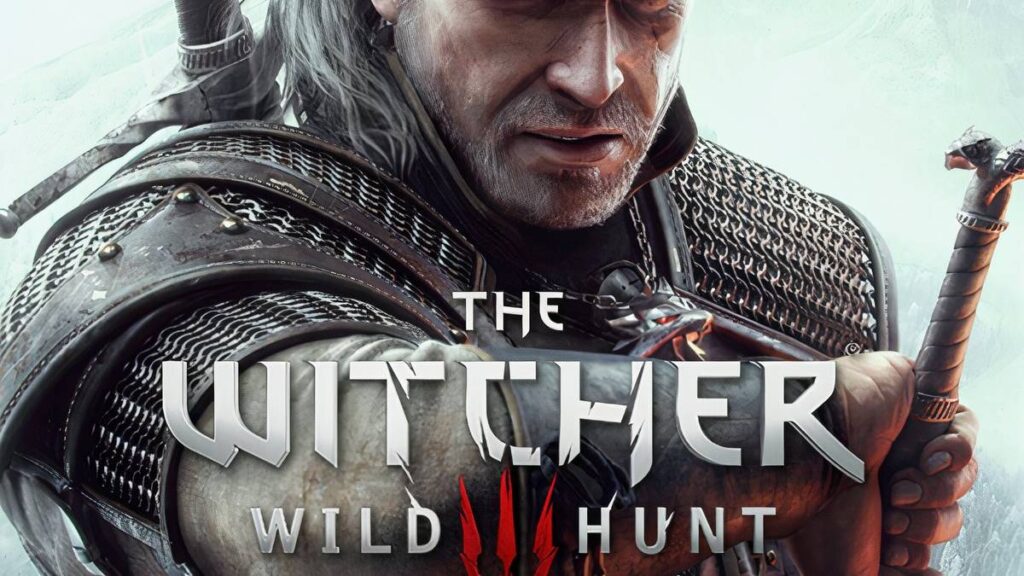
Table of Contents
Beyond the Fetch Quest: The Narrative Shift
When CD Projekt Red released The Witcher 3: Wild Hunt, the industry was saturated with open-world titles that relied heavily on ‘map-clearing’—the tedious repetition of collecting collectibles or clearing out generic enemy camps. The game didn’t just iterate on the formula; it fundamentally changed how players interact with digital environments by prioritizing narrative consequence over checklist completion.
Playing as Geralt of Rivia, a mutated mercenary, the game introduces a level of moral ambiguity rarely seen in the genre. Unlike traditional RPGs that offer a binary ‘Good’ or ‘Evil’ morality slider, The Witcher 3 forces players into gray areas. A decision to save a village from a monster might inadvertently lead to the displacement of a local community or the death of an innocent, often manifesting hours after the initial choice was made. This design philosophy moved the needle for the entire industry, influencing how modern titles handle player agency and storytelling.
Technical Versatility Across Platforms
One of the most striking aspects of the title’s longevity is its aggressive cross-platform deployment. While it debuted on the PlayStation 4 and Xbox One, the game has seen a strategic migration across nearly every modern piece of hardware, including the Nintendo Switch and the current-gen PlayStation 5 and Xbox Series X. This accessibility has allowed a massive, diverse user base to experience the story of Ciri, the Child of Prophecy.
The transition to current-gen hardware wasn’t merely a resolution bump. The implementation of faster SSDs and higher frame rates breathed new life into the Continent, reducing the friction of traversing the massive open plains and densely populated cities like Novigrad. The technical feat of porting such a sprawling, resource-heavy experience to the Switch further demonstrates the optimization prowess of the development team, ensuring the atmospheric depth of the world remained intact despite hardware constraints.
Combat, Crafting, and the ‘Witcher’s Toolkit’
From a mechanical standpoint, the game balances traditional action-combat with a deep layer of preparation. The combat isn’t just about reflexes; it’s about knowledge. Players are encouraged to study their prey, utilizing a wide array of upgradeable steel and silver swords, mutating potions, and basic combat magic known as ‘Signs’.
This ‘preparation loop’—researching a monster, brewing the correct oil, and then engaging in combat—adds a layer of authenticity to Geralt’s role as a professional hunter. It transforms combat from a mindless click-fest into a tactical puzzle. When combined with the game’s economic system, where rewards are reinvested into custom armor or spent on leisure activities like Gwent—the in-game card game that became a cultural phenomenon in its own right—the result is a world that feels lived-in and systemic.
The Industry Ripple Effect
Looking at the landscape of modern gaming, the fingerprints of The Witcher 3 are everywhere. The trend toward ‘meaningful’ side quests, where a simple contract evolves into a complex political drama, can be traced back to CD Projekt Red’s approach. Even competitors have shifted their design documents to avoid the ‘Ubisoft tower’ style of exploration in favor of the more organic, curiosity-driven discovery championed by Geralt’s journey.
While not without its flaws—particularly in the early days of its combat tuning and occasional pacing lulls in the mid-game—the title remains a benchmark for how to merge a massive scale with intimate, character-driven storytelling. It proved that players were willing to engage with complex, adult themes and nuanced dialogue, provided the world-building felt authentic and the stakes felt real.


