Apple’s Foldable Strategy: Why the ‘iPhone Ultra’ Is Actually a Pocket-Sized iPad
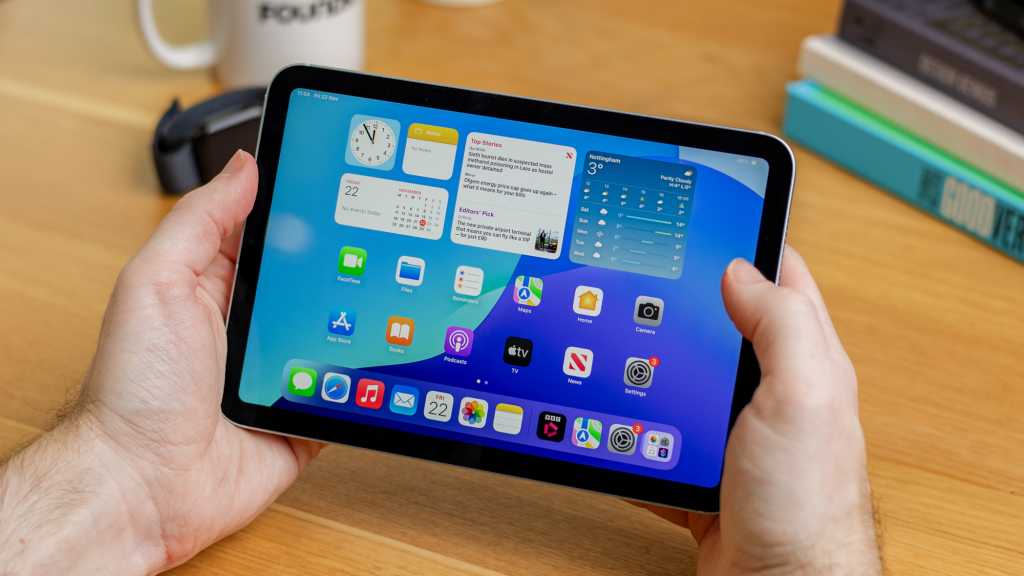
Table of Contents
A Departure from the Foldable Norm
For years, the foldable market has been defined by a specific trajectory: the ‘phone that grows.’ Samsung, Google, and Honor have all chased a design language where the device primarily functions as a standard smartphone, with the internal screen serving as an occasional luxury for multitasking or media consumption. However, emerging evidence suggests Apple is pursuing a fundamentally different philosophy with the upcoming iPhone Ultra.
Recent hands-on footage from Unbox Therapy featuring an iPhone Ultra dummy unit reveals a chassis that defies current industry standards. Unlike the tall, slender profiles of the Galaxy Z Fold series, the Ultra appears stubby—resembling a passport more than a traditional handset. This unusual form factor is likely a byproduct of Apple’s intent to prioritize the unfolded state over the closed one.
The 4:3 Ratio and the Tablet Ecosystem
The core of Apple’s strategy seems to lie in the aspect ratio. While most foldables utilize long, narrow internal displays that often struggle with app scaling and awkward letterboxing, the iPhone Ultra is expected to adopt the 4:3 aspect ratio synonymous with the iPad. This isn’t just a design choice; it is a strategic leverage of the existing iPadOS ecosystem.
By mirroring the iPad’s dimensions, Apple can bypass the ‘app gap’ that has plagued Android foldables for years. While Google has made strides in optimizing Android for larger screens, Apple possesses a mature library of tablet-optimized applications. The iPhone Ultra effectively becomes a vehicle for the most portable version of iPadOS to date, potentially making the iPad mini redundant while offering a level of productivity that current foldables cannot match.
Comparing the ‘Phone-First’ vs. ‘Tablet-First’ Approach
The friction in current foldable design is the transition between the cover screen and the main display. Users of the Google Pixel 9 Pro Fold or Samsung Galaxy Z Fold 6 often find themselves defaulting to the outer screen for 90% of their interactions because the inner screen feels like a secondary destination.
Apple appears to be flipping this script. By designing a wider, shorter exterior, the device avoids the ‘remote control’ feel of some competitors, but more importantly, it signals that the inner screen is meant to be the primary workspace. If the internal display is a perfect miniature of an iPad, the cognitive load of switching between the two modes is minimized. The device isn’t a phone that happens to open; it’s a productivity tablet that happens to make calls.
Industry Reaction and the ‘Wide’ Pivot
The industry is already reacting to this anticipated shift. Rumors of a ‘Galaxy Z Fold 8 Wide’ suggest that Samsung is attempting to pivot its own dimensions to compete with Apple’s suspected 4:3 approach. However, hardware changes are easier than software overhauls. Samsung lacks the cohesive tablet-to-phone software bridge that Apple has spent a decade building between iOS and iPadOS.
This positioning allows Apple to enter the foldable market late but with a distinct value proposition. Instead of fighting for the ‘best foldable phone’ title, Apple is creating a new category: the ultra-portable workstation. While the stubby design may be polarizing at first glance, it aligns with Apple’s history of prioritizing software utility and ecosystem synergy over following immediate hardware trends.