Encrypted Chat Rooms and Digital Shadows: How the 2021 Inauguration Security Pivot Signaled a New Era of Threat Intelligence
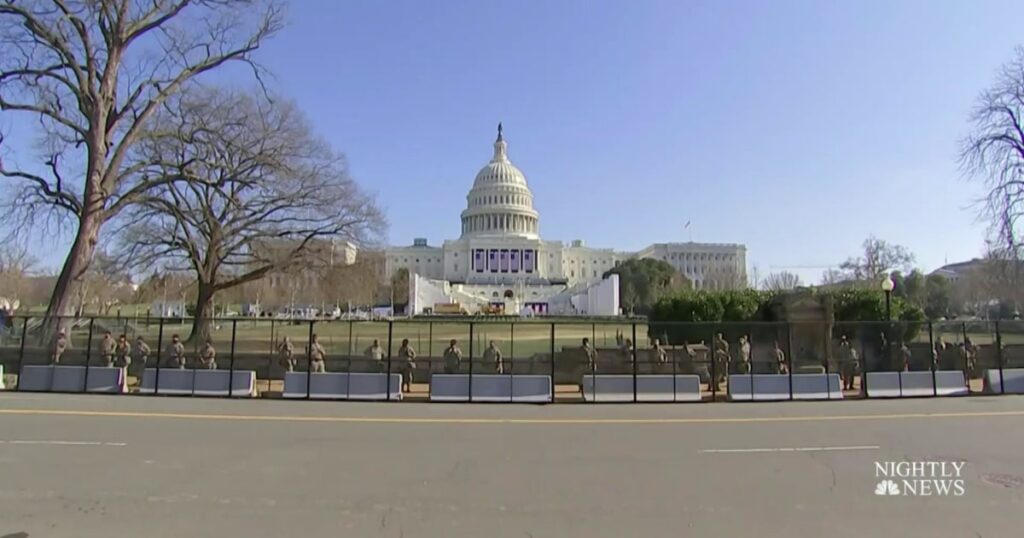
Table of Contents
The Invisible Battlefield of Encrypted Communication
The physical mobilization of thousands of National Guard troops and federal law enforcement in Washington, D.C., ahead of the January 20, 2021, inauguration was the most visible aspect of the city’s security posture. However, the actual intelligence war was being fought in the digital shadows. For the first time on a scale this massive, U.S. security agencies shifted their primary focus from traditional surveillance to the infiltration and monitoring of encrypted chat rooms.
Law enforcement officials warned that right-wing extremist plots were no longer being coordinated on open forums or public-facing social media platforms. Instead, there was a decisive migration toward end-to-end encrypted (E2EE) services and fringe platforms that bypass traditional content moderation. This shift created a significant “intelligence gap,” forcing federal agencies to rely more heavily on human intelligence (HUMINT) and high-level digital forensics to penetrate closed circles of communication.
The Shift from Public Forums to Darker Corners
Historically, monitoring for civil unrest involved tracking hashtags and public groups on platforms like Facebook or Twitter. By January 2021, that playbook was obsolete. The plots targeting the capital were maturing in encrypted environments where messages are scrambled and cannot be read by the service provider, let alone a government agency without a direct key or an insider source.
These encrypted channels allow for a level of operational security (OPSEC) that was previously reserved for state-level actors. By using ephemeral messaging—where texts disappear after a set time—coordinators were able to organize logistics, share tactical maps, and synchronize movements with a level of stealth that traditional signals intelligence (SIGINT) struggled to counter in real-time.
Scaling Security in a Hybrid Environment
The deployment of the National Guard was not merely a deterrent; it was a response to the unpredictability generated by these digital blind spots. When authorities cannot definitively map the size or intent of a group because the coordination is happening in a private Telegram channel or a Signal group, the only rational response is to over-provision physical security.
This hybrid threat environment—where digital coordination triggers a massive physical footprint—represents a new paradigm in urban security. The integration of local, state, and federal law enforcement was designed to create a “layered defense” that could compensate for the lack of transparency in the encrypted digital space. The goal was to ensure that even if an encrypted plot successfully bypassed digital detection, it would hit a physical wall of security upon arrival in the District.
Implications for Modern Intelligence
The 2021 inauguration security operation served as a case study in the limitations of current surveillance technology. It highlighted a growing tension between the right to digital privacy via encryption and the state’s need to preempt violent coordination. As these encrypted tools become more accessible, the reliance on “sleeper” informants within these digital cells becomes the primary method for gaining actionable intelligence.
The operation demonstrated that while the National Guard can secure a perimeter, they cannot secure a network. The transition of extremist coordination to encrypted spaces has effectively pushed the frontline of national security from the streets of Washington into the code of messaging apps, where the battle is fought not with barricades, but with decryption and infiltration.


