Oil Market Volatility and Geopolitical Tensions Push U.S. Gas Prices to New Yearly Highs
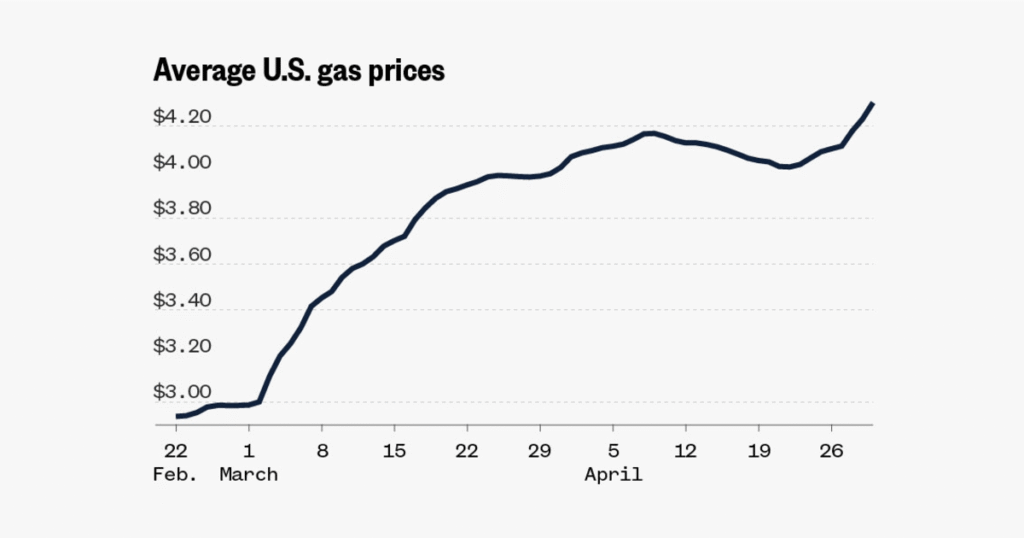
Table of Contents
The Cost of Instability
American drivers are facing a stark reality at the pump as national average gas prices have climbed past $4.50 per gallon, marking the highest level seen so far this year. The surge is not a seasonal fluke; it is the direct result of a constricted global oil supply triggered by the escalating war involving the U.S., Israel, and Iran. Since the onset of the conflict, fuel costs have spiked by approximately 50%, creating a significant economic drag on household budgets already strained by broader inflationary pressures.
According to the latest data from AAA, the national average represents a climb of more than a dollar per gallon since the initial military engagements began. While the impact is felt nationwide, the geographic distribution of the price hikes reveals a sharp divide between the coastal hubs and the American heartland.
Regional Disparities and the $6 Threshold
The West Coast has become the epicenter of the price surge. California has officially eclipsed the $6 per gallon mark, maintaining the highest costs in the country. This is exacerbated by the state’s unique refining constraints and strict fuel specifications, which often make it slower to absorb global supply shifts than other regions.
Other states are trailing closely behind. In Alaska, Hawaii, Illinois, Nevada, Oregon, and Washington, averages are currently hovering near the $5 mark. Conversely, states in the Midwest continue to see the lowest relative costs, though they are not immune to the upward trend. The disparity highlights how regional logistics and refining capacity act as a buffer—or a catalyst—during global energy shocks.
Beyond the Pump: The Aviation Ripple Effect
The energy crisis isn’t confined to passenger vehicles. The surge in crude oil prices has triggered a parallel spike in jet fuel costs, which are traditionally more sensitive to immediate supply disruptions. This volatility has forced major carriers to implement fuel surcharges and increase baseline airfares to protect margins.
The pressure has proven fatal for some. The current environment contributed to the collapse of Spirit Airlines, which struggled to offset rising operational costs against a consumer base increasingly priced out of budget travel. The airline’s shuttering serves as a corporate bellwether for how sustained energy inflation can dismantle low-cost business models.
Market Sentiment and the Ceasefire Seesaw
Oil traders have spent the last several months in a state of high-frequency volatility. Market prices have effectively “see-sawed” in real-time response to diplomatic cables. Each announcement of a ceasefire or a diplomatic extension led to a temporary dip in crude futures, creating a deceptive sense of stability for consumers.
Industry analysts had predicted a gradual decline in prices starting in April, a trend that actually materialized for several weeks. However, those gains were swiftly erased as the geopolitical situation deteriorated again, sending prices shooting back up to new highs. This pattern suggests that the market is currently pricing in a “conflict premium,” where the mere threat of further escalation keeps a floor under prices, preventing any meaningful return to pre-war levels.
As the U.S. continues to monitor supply chains and strategic reserves, the immediate trajectory of gas prices remains tethered to the volatility of the Middle East, leaving motorists and the transportation sector in a precarious holding pattern.