GCHQ Chief Warns of ‘Narrowing Window’ to Counter AI-Driven Threats from China and Russia
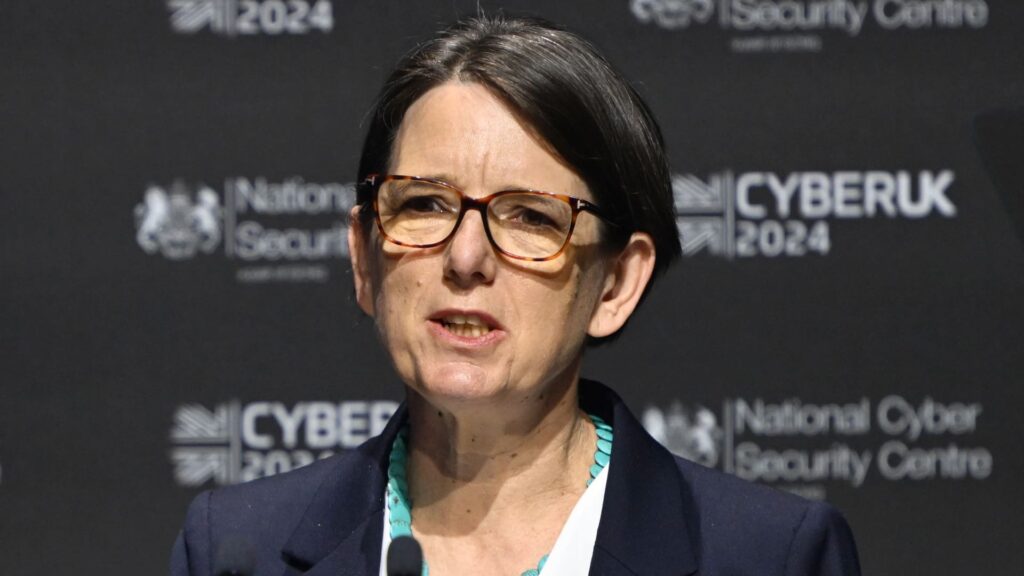
Table of Contents
A ‘Moment of Consequence’ for Western Intelligence
Anne Keast-Butler, the Director of GCHQ, is sounding a stark alarm over the accelerating pace of technological warfare. In a rare public address marking the 80th anniversary of the UKUSA intelligence agreement, the head of the U.K.’s signals intelligence agency warned that Britain and its allies are operating within a “narrowing window” to maintain a strategic edge over adversaries—specifically China and Russia.
The core of Keast-Butler’s warning centers on the intersection of artificial intelligence and state-sponsored espionage. As AI capabilities evolve from theoretical tools to operational weapons, the agency argues that the traditional lead the West once held in cyber defense is eroding. The Director described the current era as a “moment of consequence,” where the speed of AI development is fundamentally shifting the security landscape beneath the feet of democratic nations.
The China Vector: From Espionage to Tech Superpower
Keast-Butler’s assessment of China reflects a transition in how the U.K. views the East Asian power: no longer just a regional adversary, but a “science and tech superpower.” This shift is evident in the increasing sophistication of China’s intelligence and military agencies, which are now integrating advanced AI to scale their operations.
The urgency of this warning follows a series of high-profile security breaches and legal precedents. Earlier this month, the U.K. saw the first-ever convictions of two individuals found guilty of spying for China. This legal milestone coincides with a broader international effort to map China’s digital reach; last month, the FBI and cyber agencies from nine other nations, including Japan and Germany, flagged the use of covert “botnet operations” designed to facilitate malicious cyber activity on a global scale.
For Keast-Butler, the solution is not merely governmental. She is calling for a systemic tightening of digital defenses that extends “from boardrooms to living rooms,” suggesting that the vulnerability of private infrastructure is now a matter of national security.
Russia’s Hybrid Playbook and the Infrastructure Risk
While China represents a long-term technological challenge, the threat from Russia is characterized as more immediate and volatile. Keast-Butler accused Moscow of scaling up “daily hybrid activity” across the U.K. and Europe—a strategy that blends propaganda, sabotage, and deception to destabilize trust in democratic institutions.
Of particular concern is the targeting of critical national infrastructure (CNI). GCHQ reports that Russia is relentlessly probing supply chains and democratic processes, with Keast-Butler noting that the “risk of miscalculation is as high as I’ve ever seen it.” This hybrid approach creates a gray zone where the line between a cyber-glitch and a state-sponsored attack is intentionally blurred.
This reporting aligns with recent advisories from the U.S. Cybersecurity and Infrastructure Security Agency (CISA) and the NSA, which detailed Russian state-sponsored espionage campaigns targeting logistics entities and tech firms. While some “hacktivist” groups carry out lower-impact disruptions, the professional intelligence apparatus in Moscow is playing a much more dangerous game of long-term infiltration.
The Evolution of the Five Eyes Alliance
The timing of the speech is symbolic. By tying these warnings to the 80th anniversary of the UKUSA agreement, Keast-Butler is reinforcing the necessity of the Five Eyes security alliance (the U.K., U.S., Australia, Canada, and New Zealand). In an era of AI-driven attacks, no single nation can monitor the entire spectrum of global signals intelligence.
GCHQ is currently focused on a three-pronged defensive strategy: disrupting the smuggling of sensitive Western technology into Russia, fending off direct cyber-attacks, and countering physical sabotage attempts on British soil. Despite the digital tension, Keast-Butler maintained a confident posture regarding the conflict in Ukraine, asserting that Vladimir Putin is “going backwards on the battlefield” even as his digital aggression increases.