The PS3 Curse: Why Metal Gear Solid 4 Remains the Final Frontier for Konami’s Master Collection
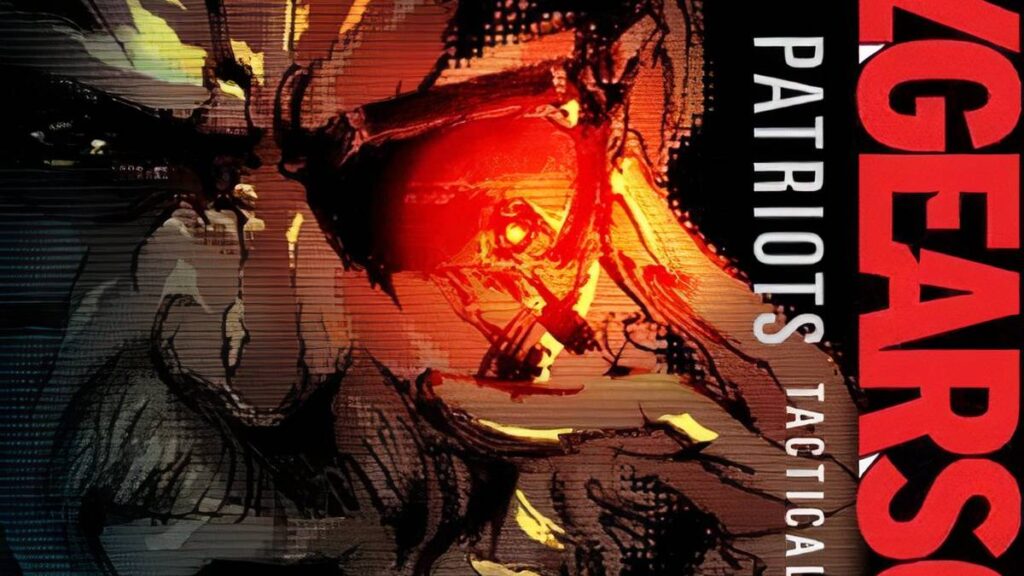
Table of Contents
The Architectural Nightmare of a PS3 Exclusive
For nearly two decades, Metal Gear Solid 4: Guns of the Patriots has existed as a digital ghost—a title that defined a generation of cinematic gaming but remains stubbornly trapped on the hardware it was built for. While Konami has spent the last year aggressively monetizing the series through the Master Collection, MGS4 remains the glaring omission, fueling a long-standing debate about whether the game is simply too technically volatile to port.
The issue isn’t just a lack of corporate will; it’s the legacy of the Cell Broadband Engine. MGS4 was engineered specifically to squeeze every drop of power out of the PlayStation 3’s idiosyncratic architecture. Hideo Kojima’s team didn’t just build a game for the PS3; they built it into the machine. This has created what fans and developers call the “PS3 Curse,” where titles optimized for the Cell processor often require a complete ground-up rewrite rather than a simple upscale to run on modern x86 architecture used by the PlayStation 5 or PC.
Beyond the Cinematic Scope
When it launched, Guns of the Patriots was a gamble in narrative pacing and technical ambition. It dropped players into a world where the Cold War never truly ended, shifting the series’ focus from isolated espionage to a sprawling, war-torn landscape governed by “The Patriots.” The game introduced a level of visual fidelity and systemic complexity that pushed the hardware to its breaking point, resulting in the infamous long loading screens that have since become a meme within the community.
Technically, the game was a pioneer in blending perspectives. It was one of the first major stealth titles to offer a seamless transition between a third-person tactical view and an optional first-person aiming mode, a mechanic that shifted the combat from the series’ traditional “hide and seek” gameplay to something closer to a modern tactical shooter. This flexibility was a precursor to the design philosophies seen in later titles like MGS V: The Phantom Pain.
The Master Collection Dilemma
The release of Metal Gear Solid Master Collection Vol. 1 served as a litmus test for Konami’s intentions. While the collection provided a convenient way to play the earlier titles, the absence of the fourth installment sparked fresh speculation. Industry analysts suggest that the cost-to-benefit ratio of remastering MGS4 is skewed. Unlike MGS1 or MGS2, which can be wrapped in an emulator or lightly polished, MGS4 requires significant investment in modernizing its engine to avoid the stuttering and instability that plagued its original late-life patches.
There are reports that certain features of the original experience—specifically the deep integration of the PS3’s unique memory management—would be lost in a streamlined version. For the purists, a “missing feature” in a potential remaster is a secondary concern compared to the reality of the game remaining unplayable on anything but an aging console.
The Legacy of the ‘Old Snake’ Era
At its core, the struggle to bring MGS4 to modern platforms mirrors the game’s own narrative: a story about aging and the inevitable decay of old systems. The game’s protagonist, an aged Solid Snake, navigates a world of crumbling ideologies and obsolete technology. Ironically, the game itself has become a piece of obsolete technology, a relic of an era where developers were willing to break a console to achieve a specific cinematic vision.
Whether Konami eventually cracks the code for a Master Collection Vol. 2 or opts for a full remake, the technical debt of Guns of the Patriots stands as a reminder of the risks associated with hardware-specific optimization. Until then, the game remains a high-water mark for the seventh generation, accessible only to those who have kept their legacy hardware humming.


