Huawei’s Mate X Bets on Foldables and 5G to Break the Apple-Samsung Duopoly
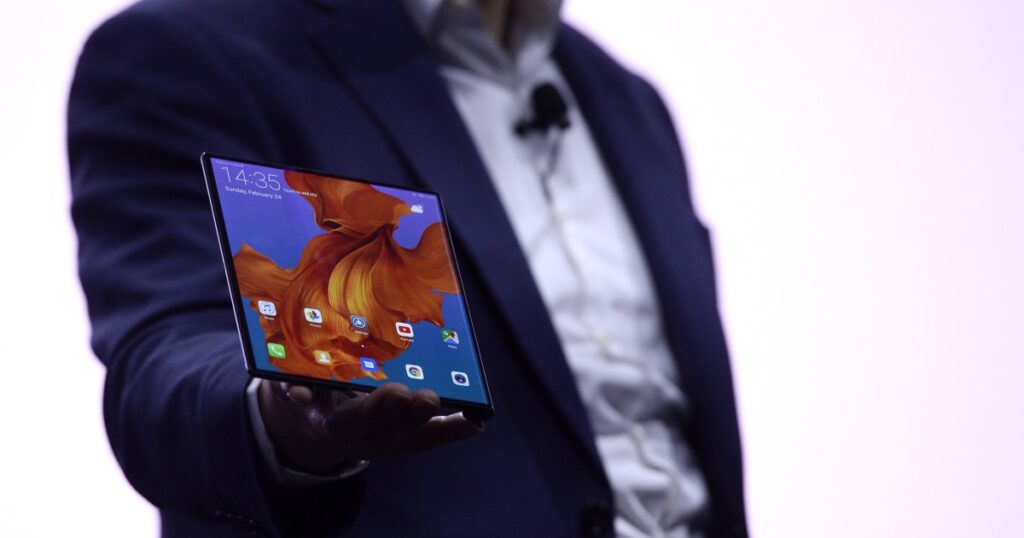
Table of Contents
A New Form Factor for a New Era
On the eve of Mobile World Congress (MWC) in Barcelona, Huawei officially pulled back the curtain on the Mate X, a device that signals the company’s intent to move beyond being a budget-friendly alternative and enter the luxury vanguard of mobile hardware. The Mate X isn’t just a smartphone; it’s a statement of engineering ambition, featuring a flexible display that transforms the device from a standard handset into an 8-inch tablet.
The device arrives at a critical juncture for the industry. For years, smartphone innovation has been incremental—slimmer bezels, slightly faster processors, and marginally better cameras. The move toward foldable screens is a calculated attempt by manufacturers to trigger a new upgrade cycle among consumers who have grown bored with the traditional slate design. Richard Yu, CEO of Huawei’s consumer business group, framed the Mate X as a direct response to the tension between user demand for larger screens and the practical necessity of pocketability.
The Engineering Gap: Mate X vs. Galaxy Fold
While Samsung recently beat Huawei to the punch with the Galaxy Fold, the Mate X takes a different philosophical approach to the fold. Unlike the Galaxy Fold, which utilizes a secondary internal screen that folds shut, the Mate X features a wrap-around display. This means users can interact with the device on the outside without unfolding it, effectively treating the exterior as a functional screen.
The technical centerpiece is the hinge. According to Yu, Huawei engineers spent three years refining the mechanism to ensure that the device closes without a gap, a detail that speaks to the precision required for mass-market luxury electronics. However, this innovation comes with a steep premium. The Mate X is priced at 2,299 euros (approximately $2,600), significantly undershooting the mass-market appeal but positioning the brand firmly in the ‘ultra-premium’ category, even surpassing the nearly $2,000 price tag of Samsung’s offering.
The Geopolitical Shadow
Despite the technical achievement, Huawei’s global expansion is colliding with a geopolitical wall. The launch of the Mate X occurs amidst escalating tensions with the U.S. government, which has repeatedly labeled the company a cybersecurity risk. Washington’s efforts to dissuade European allies from integrating Huawei equipment into their burgeoning 5G networks have created a fragmented market for the company.
The pressure is not limited to infrastructure. The company and its CFO, Meng Wanzhou, are currently facing U.S. criminal charges related to fraud and the alleged theft of trade secrets from T-Mobile. These legal headwinds create a paradoxical situation: Huawei is achieving unprecedented technical parity with Apple and Samsung, yet it remains a persona non grata in the world’s largest consumer market.
Challenging the Duopoly
For years, the smartphone narrative has been a two-horse race between Apple and Samsung. However, data from International Data Corp (IDC) suggests the gap is closing. Huawei has consistently occupied the third spot globally, occasionally surging into second place depending on the quarter. This growth hasn’t been accidental; it’s the result of a dual-pronged strategy: flooding the lower-end market with affordable handsets while aggressively courting the European luxury sector.
In Europe, specifically in markets like Germany, France, and Spain, Huawei has invested millions in brand visibility. Gartner estimates that the company now captures roughly 13% of the European market. By launching the Mate X, Huawei is no longer just fighting for market share based on price—it is fighting for the narrative of innovation.
As 5G networks begin to roll out, the hardware that can best leverage those speeds will hold a competitive edge. Whether the Mate X can achieve critical mass depends on whether consumers are willing to pay a massive premium for a foldable screen, and whether Huawei can navigate the regulatory minefield laid by the U.S. government.


