Samsung’s OLED Yield Breakthrough Pushes MacBook Pro Transition into High Gear
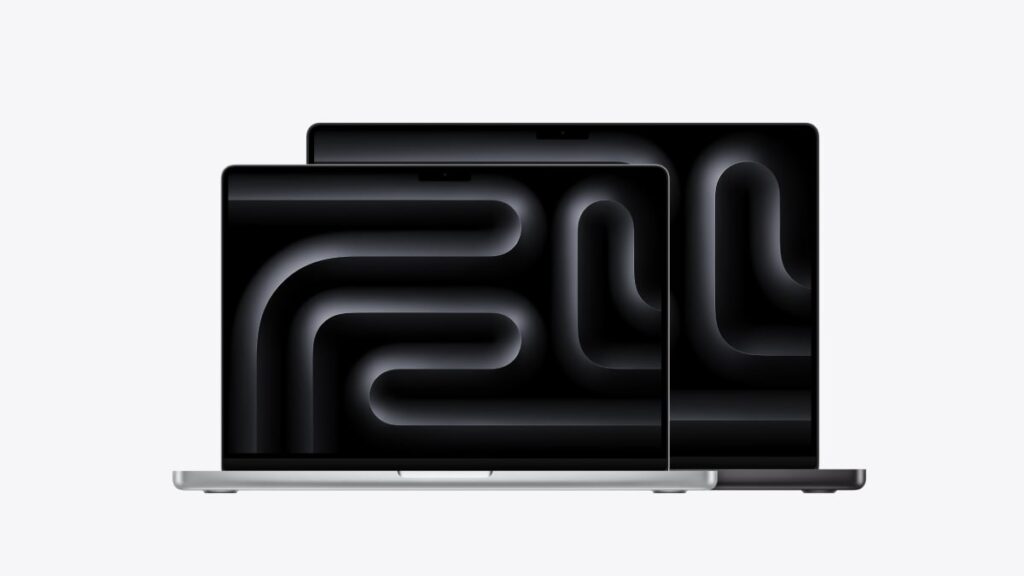
Table of Contents
The Yield Hurdle
For years, the transition of the MacBook Pro to OLED has been the ‘holy grail’ of Apple’s display engineering. While the iPhone and Apple Watch have long enjoyed the benefits of self-emissive pixels, the laptop form factor presents a different set of challenges—specifically regarding power draw, burn-in from static menu bars, and the sheer scale of the panels. According to a report from The Elec, that technical stalemate is finally breaking.
Samsung Display is reportedly preparing to move into mass production for its 8.6th generation OLED panels as early as next month. The critical detail here isn’t just the timeline, but the efficiency: Samsung has allegedly achieved a yield rate exceeding 90 percent. In the world of semiconductor and display manufacturing, a 90 percent yield is the threshold where a product moves from an expensive experimental project to a commercially viable mass-market component. For Apple, this means the risk of supply shortages—which have plagued previous product ramps—is significantly diminished.
Integrating the M6 Architecture
While the display is the headline, the internal hardware is expected to shift in tandem. Industry chatter suggests these OLED panels will debut alongside the M6 processor. This timing is strategic. Moving to OLED isn’t just about deeper blacks and better contrast; it changes the thermal and power profile of the device. OLEDs can be more power-efficient when displaying dark content, but they require sophisticated controllers to manage voltage and prevent permanent image retention.
By pairing the display with the M6, Apple can optimize the silicon-level integration between the GPU and the display controller. This likely includes new power-management features tailored specifically for the 8.6th generation panels, potentially allowing for higher refresh rates (ProMotion) without the battery drain typically associated with larger OLED screens.
The Supply Chain Tension
Despite the production breakthrough, the roadmap to a retail shelf isn’t entirely clear. Rumors of memory component shortages and broader supply chain constraints have led to conflicting reports on the launch window. Some analysts point toward a late 2025 release, while more conservative estimates push the rollout into early 2027.
This volatility is common when Apple shifts a core technology across a high-volume line. The company refuses to ship products that don’t meet a strict quality ceiling, and if the OLED panels show any sign of premature degradation or ‘tinting’—common issues in early-gen large OLEDs—Apple is known to delay launches indefinitely. However, Samsung’s current yield success suggests that the hardware is stabilizing.
Comparing the Shift
| Feature | Current Mini-LED (Liquid Retina XDR) | Upcoming OLED (8.6th Gen) |
|---|---|---|
| Contrast | High (with some blooming) | Infinite (Per-pixel dimming) |
| Power Efficiency | Variable | Superior for dark modes |
| Thickness | Slightly bulkier stack | Potentially thinner profile |
| Risk Factor | Proven | Burn-in/Longevity concerns |
If the mass production begins in June as reported, Apple will have ample time to integrate these panels into prototypes and finalize the chassis design for the M6-powered machines. The move would effectively bridge the gap between the iPad Pro’s Tandem OLED technology and the Mac’s performance-heavy requirements, unifying the visual language across Apple’s professional ecosystem.


