Israel Targets Hamas Command Vacuum After Killing Newly Appointed Armed Wing Chief
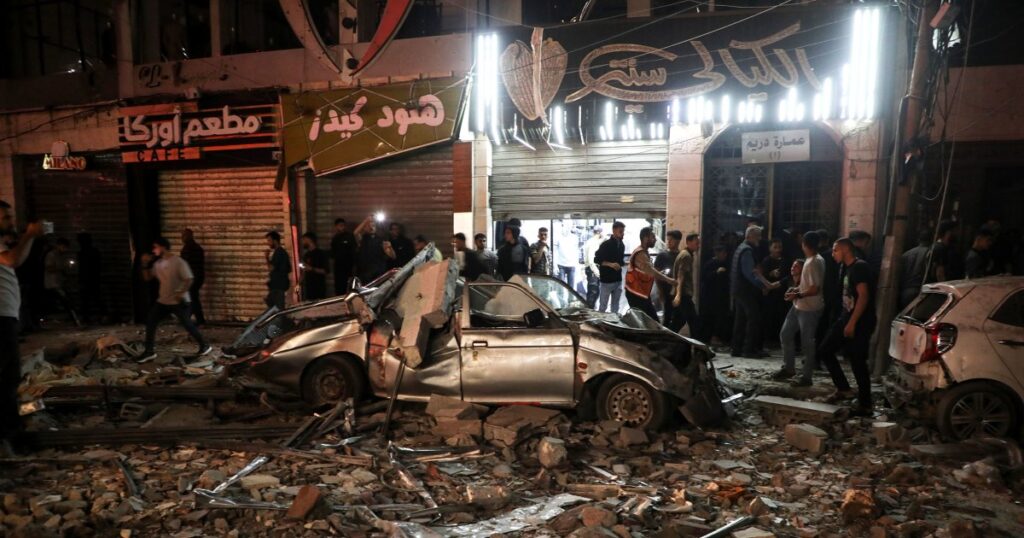
Table of Contents
A Rapid Erasure of Leadership
The Israeli military has confirmed the death of Mohammad Odeh, the man recently appointed as the chief of Hamas’s armed wing in Gaza. The strike, which took place Tuesday, highlights a concentrated effort by the IDF to decapitate the militant group’s operational command structure just as the organization attempted to stabilize its leadership hierarchy.
The timing is particularly significant. Odeh had reportedly been in the role for only about a week, stepping in to replace Izz al-Din al-Haddad, the former chief armed commander who was killed in an Israeli strike on May 15. This rapid succession of losses suggests a critical vulnerability in Hamas’s ability to maintain a sustainable chain of command under intense aerial and ground surveillance.
According to Prime Minister Benjamin Netanyahu, Odeh was not merely a tactical leader but a strategic architect of the October 7, 2023, cross-border attacks, having headed Hamas’ intelligence division at the time. His death represents the removal of what some sources close to the organization describe as potentially the last remaining living member of the armed wing’s higher leadership council.
The Human Cost and Collateral Damage
While the IDF focuses on the strategic value of the target, the operational reality on the ground remains devastating. Gaza health officials report that the strike, which targeted an apartment building in the Rimal neighborhood of Gaza City, killed six people, including at least one woman. The blast destroyed the upper floor of the building, leaving rescue workers to sift through rubble for additional casualties.
A statement from Odeh’s family confirmed that he was killed alongside his wife and son. This pattern of urban warfare, where high-value targets are embedded within residential structures, continues to drive a mounting civilian death toll, which health authorities now place at over 72,000 since the conflict began in October 2023.
Geopolitical Escalation and the Ceasefire Deadlock
The strike on Odeh did not occur in isolation. It coincided with a broader Israeli military pivot, with the IDF expanding ground operations into Lebanon. This escalation is part of a wider confrontation with Iran-allied Hezbollah militants, following a series of strikes involving U.S. coordination at the end of February.
This intensified military pressure comes as diplomatic efforts remain stalled. Israel and Hamas are currently deadlocked in indirect negotiations over the second phase of a ceasefire agreement. The primary sticking points remain the disarmament of Hamas and the timeline for Israeli army withdrawals from the enclave.
The current status quo leaves Israel in control of more than half of Gaza, with Hamas relegated to a small sliver of coastal territory. Defense Minister Israel Katz has signaled a hardline shift in policy, stating that Hamas will no longer exercise any form of civilian or military control over the region. Katz further alluded to a plan for “voluntary migration” from the enclave, to be implemented “at the right time and in the right way,” a statement that has raised concerns among international observers regarding the long-term displacement of Palestinians.
The Attrition Equation
The post-ceasefire period has not brought peace, but rather a state of high-intensity attrition. Since the truce took effect, approximately 900 Palestinians have been killed in Israeli strikes, while the Israeli military reports the loss of four soldiers.
Israel maintains that these targeted strikes are essential to prevent imminent attacks and maintain the integrity of the armistice line. However, with the repeated elimination of top-tier commanders like Odeh and Haddad, the central question for military analysts is whether Hamas can pivot to a decentralized insurgency model or if the loss of its core leadership council will lead to a total collapse of its organized military wing.