Google’s New ‘Preferred Sources’ Tool Attempts to Solve the AI-Driven Discovery Crisis
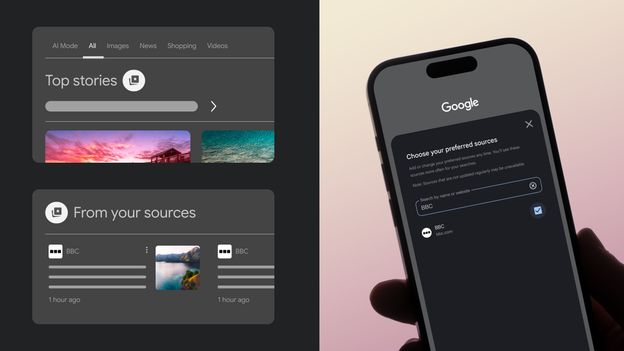
Table of Contents
Giving Control Back to the User in the Age of AI Overviews
For years, the relationship between Google and the publishing world has been a tug-of-war over traffic. With the recent aggressive rollout of AI Overviews (SGE), that tension has reached a breaking point. By synthesizing answers directly on the search page, Google has effectively reduced the incentive for users to click through to the original reporting. The result is a discovery crisis: trusted mastheads are often buried beneath a layer of generative AI and algorithmically curated snippets.
In a strategic pivot to appease both users and publishers, Google is introducing a Preferred Sources tool. This feature allows users to manually curate a list of publications—such as the BBC, The New York Times, or specialized tech journals—that the search engine should prioritize when delivering news and topical content.
This isn’t just a minor UI tweak; it is an admission that the “black box” of the Google algorithm sometimes fails to surface the specific authority a user trusts. By letting users define their own trust signals, Google is attempting to bridge the gap between algorithmic efficiency and human preference.
How the Prioritization Mechanism Works
The Preferred Sources tool functions as a high-priority filter for the Top Stories carousel. While it doesn’t entirely replace the standard ranking system, it significantly tilts the scale. When a user designates a site as a preferred source, Google’s indexing engine is more likely to surface articles, videos, and updates from that specific domain within the “from your sources” section of search results.
This is particularly relevant for users who follow specific editorial lines or need verified reporting in an era of rampant AI-generated misinformation. Instead of hoping the algorithm recognizes a site’s authority, the user is now explicitly telling the machine: “I trust this entity more than the general consensus.”
Integrating Preferred Sources into Your Workflow
There are two primary ways users can currently interact with this system. The first is through the direct account settings menu, where users can browse a directory of publications and toggle their preferences. For those who prefer a more organic approach, the tool is integrated directly into the search interface.
When performing a search, users will notice a starred card icon adjacent to the “Top Stories” section. Clicking this icon allows a user to instantly add a publisher appearing in those results to their preferred list. Once selected, a simple page refresh typically reorganizes the results to elevate content from those chosen sources.
The Strategic Shift for Digital Publishers
For newsrooms, this is a double-edged sword. On one hand, it provides a direct channel to loyal audiences who are willing to go into their settings to ensure they see a specific brand’s content. On the other, it creates a “winner-take-all” dynamic where the most established brands—the BBCs and New York Times of the world—further solidify their dominance, potentially squeezing out independent journalists and niche startups who lack the brand recognition to be manually selected.
Furthermore, this move suggests that Google is aware of the friction caused by its AI summaries. By providing a way to bypass the general noise and go straight to a trusted source, Google is subtly acknowledging that AI-generated summaries are not a total replacement for professional journalism.